
Fall of the Castle
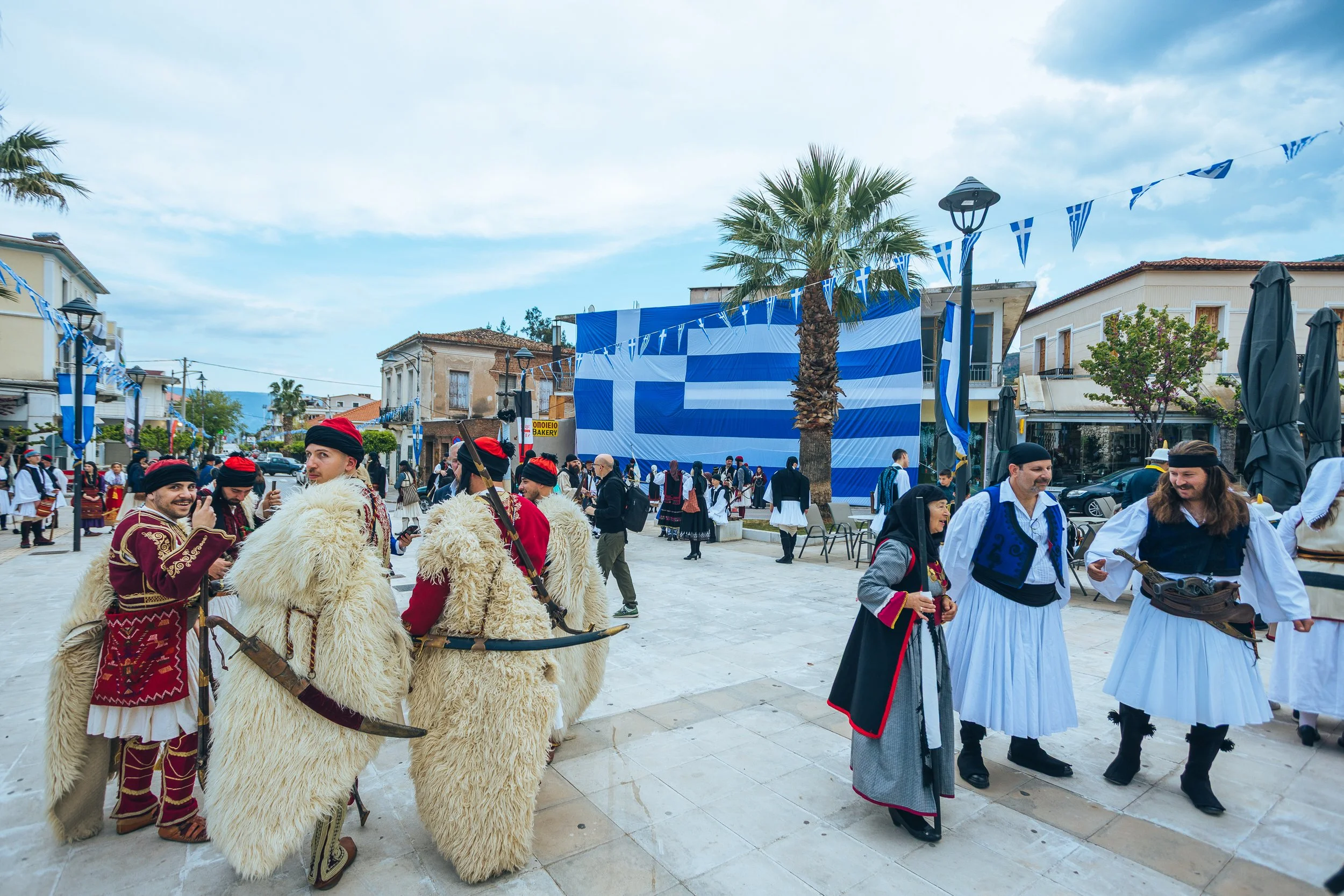
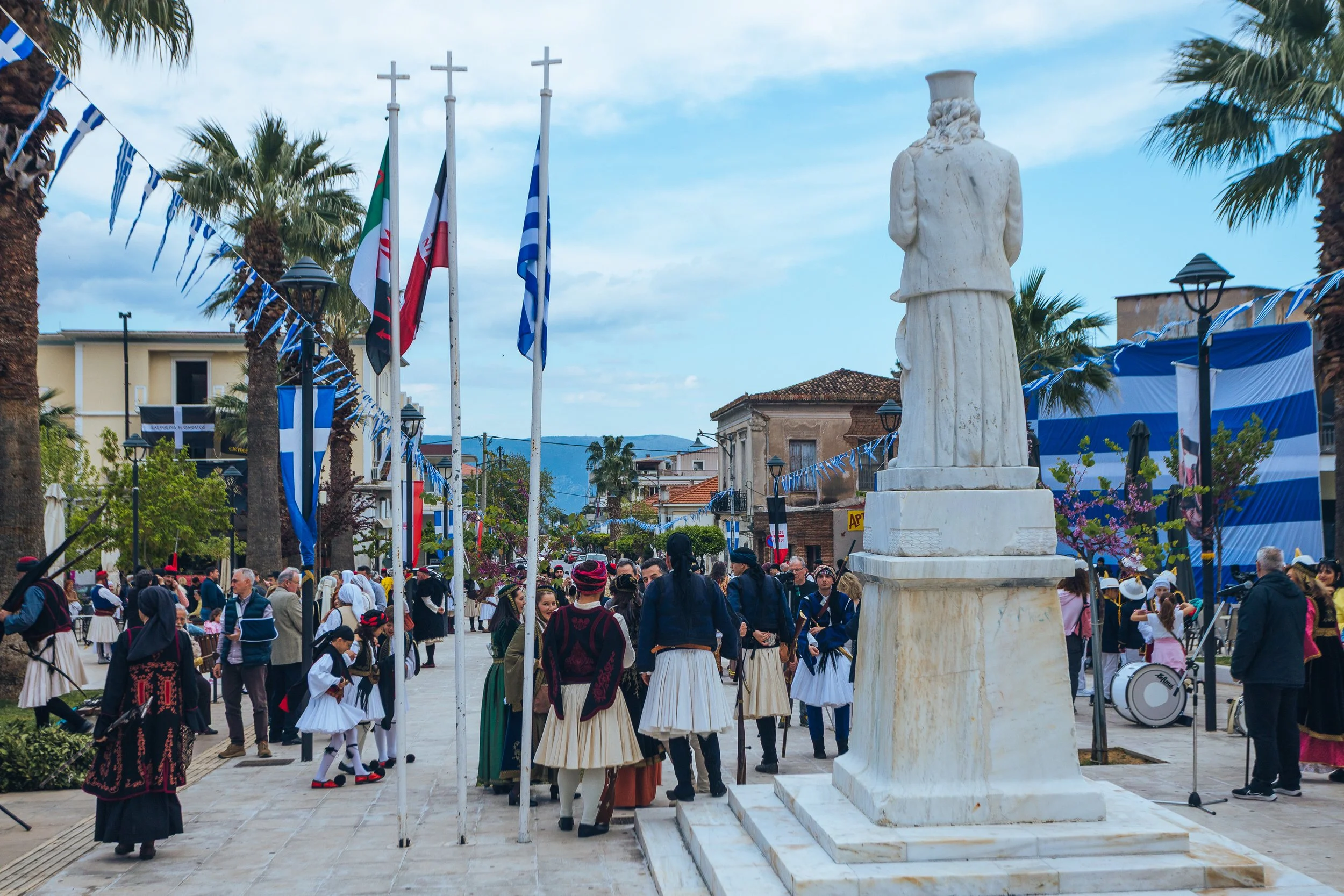
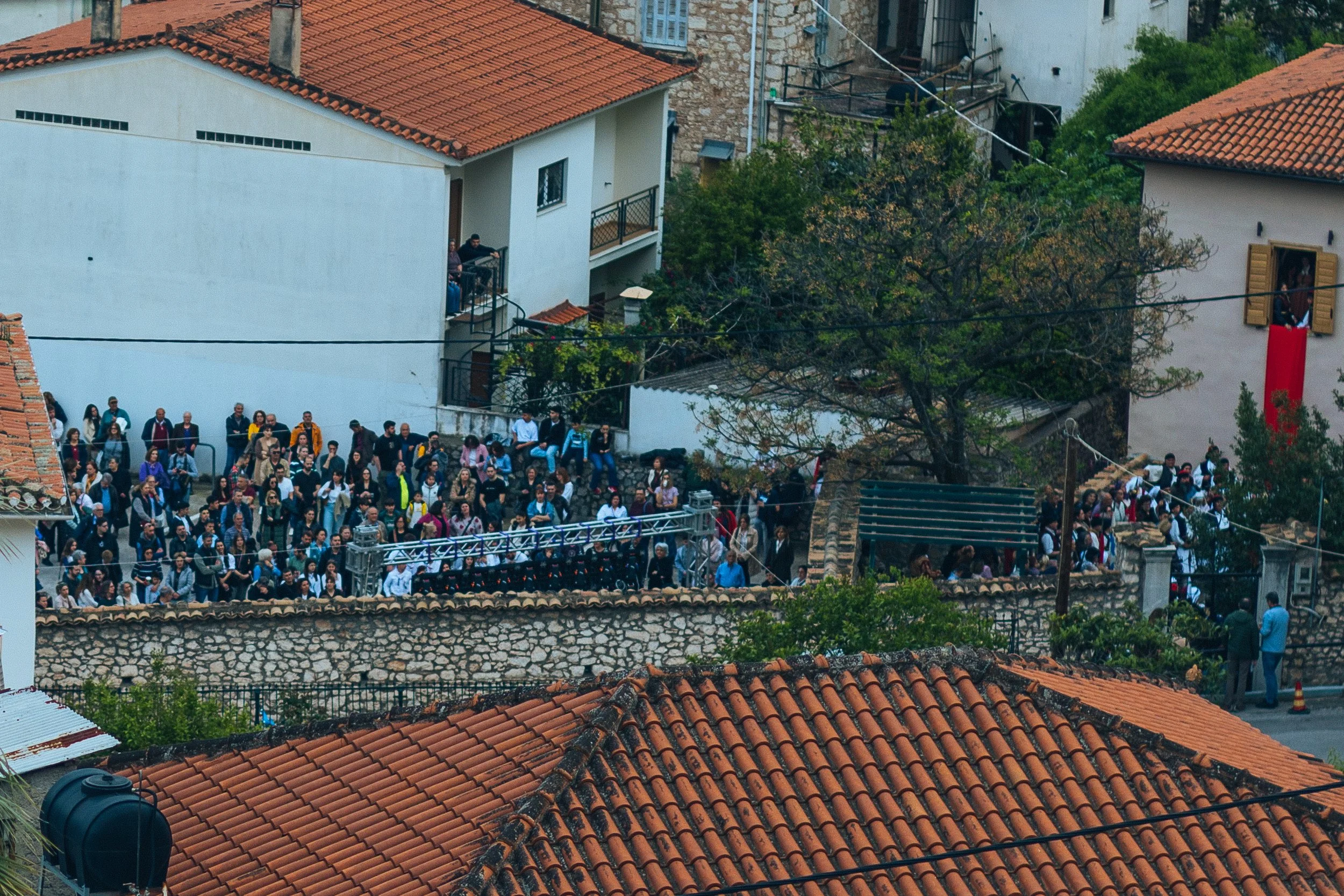
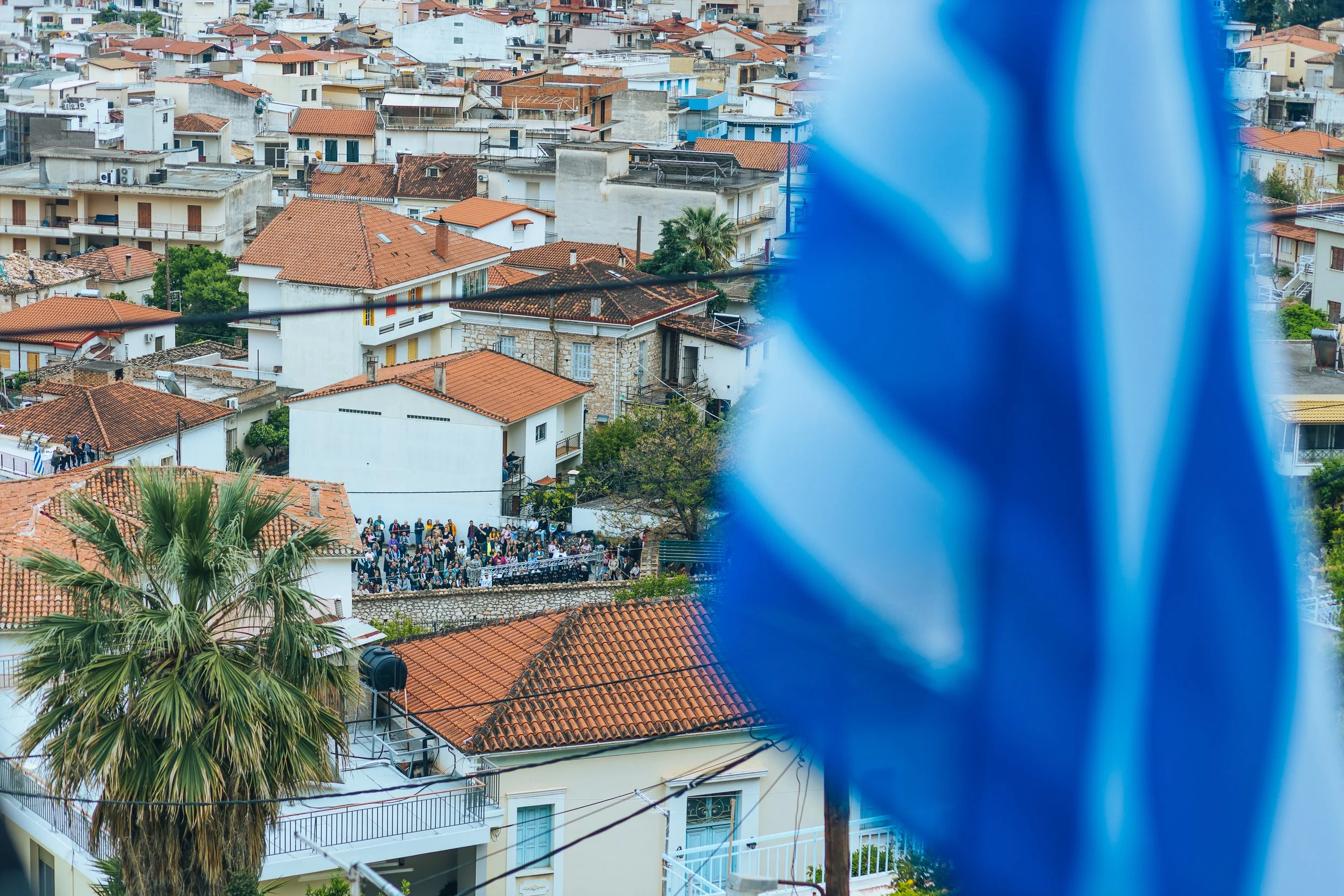
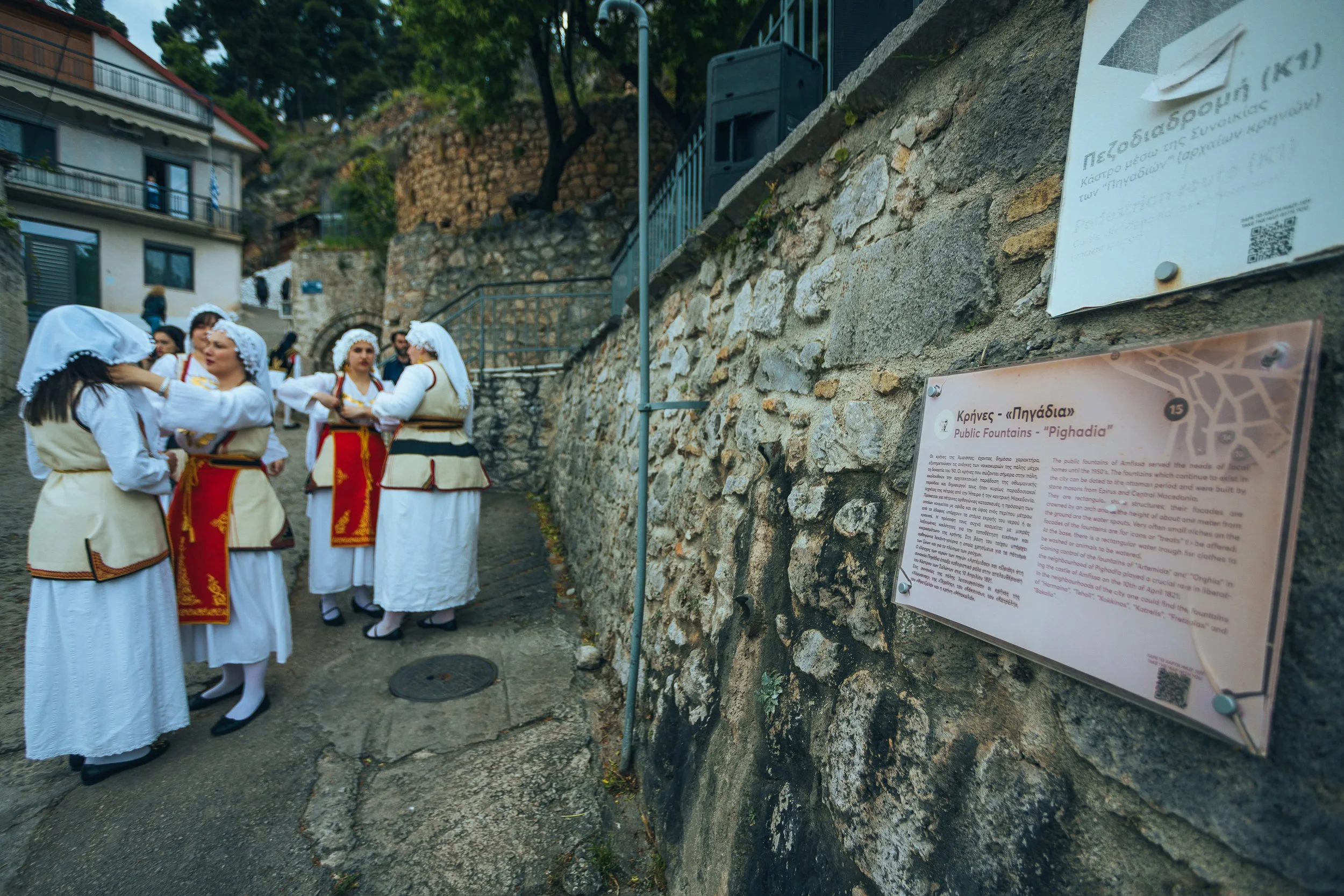
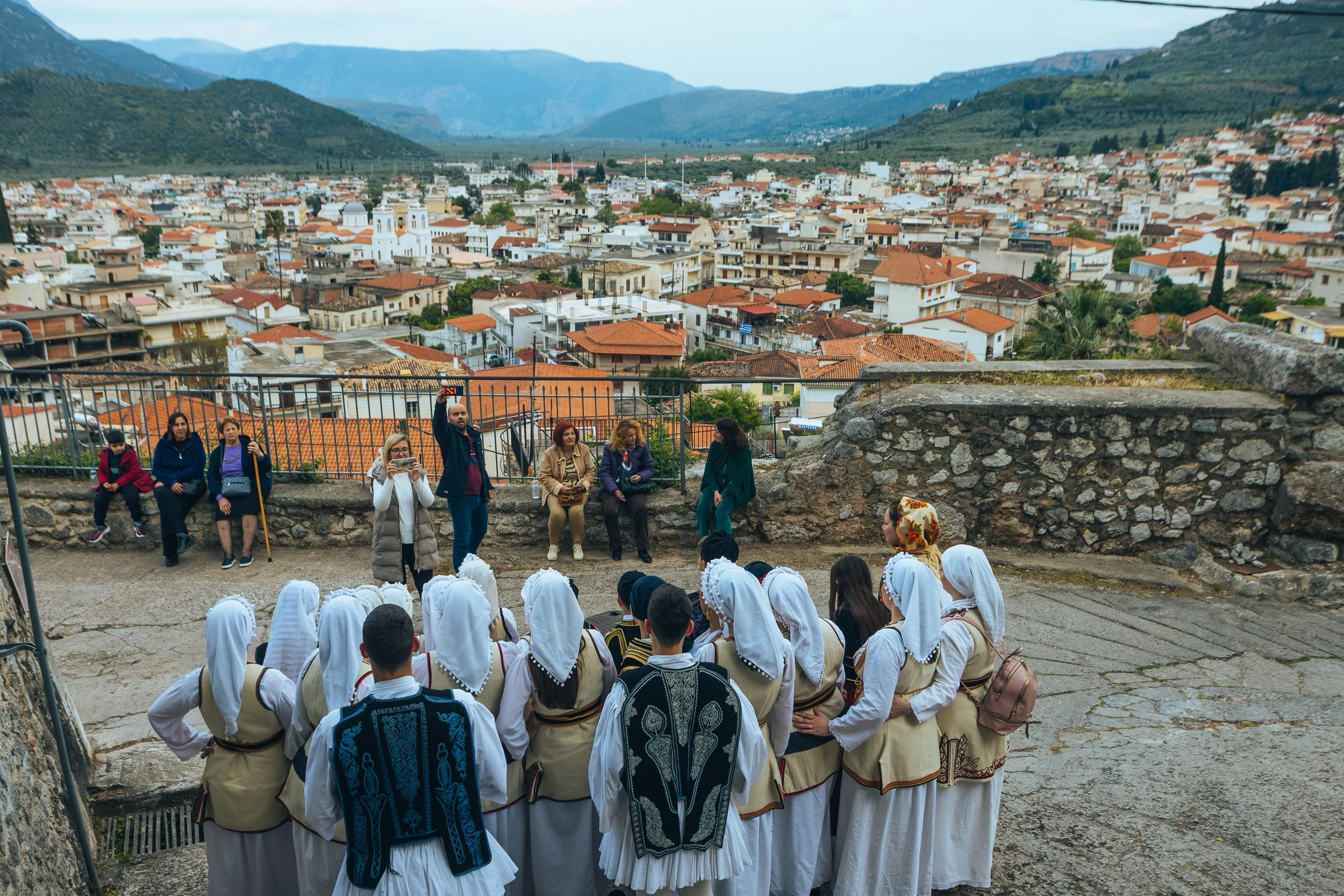
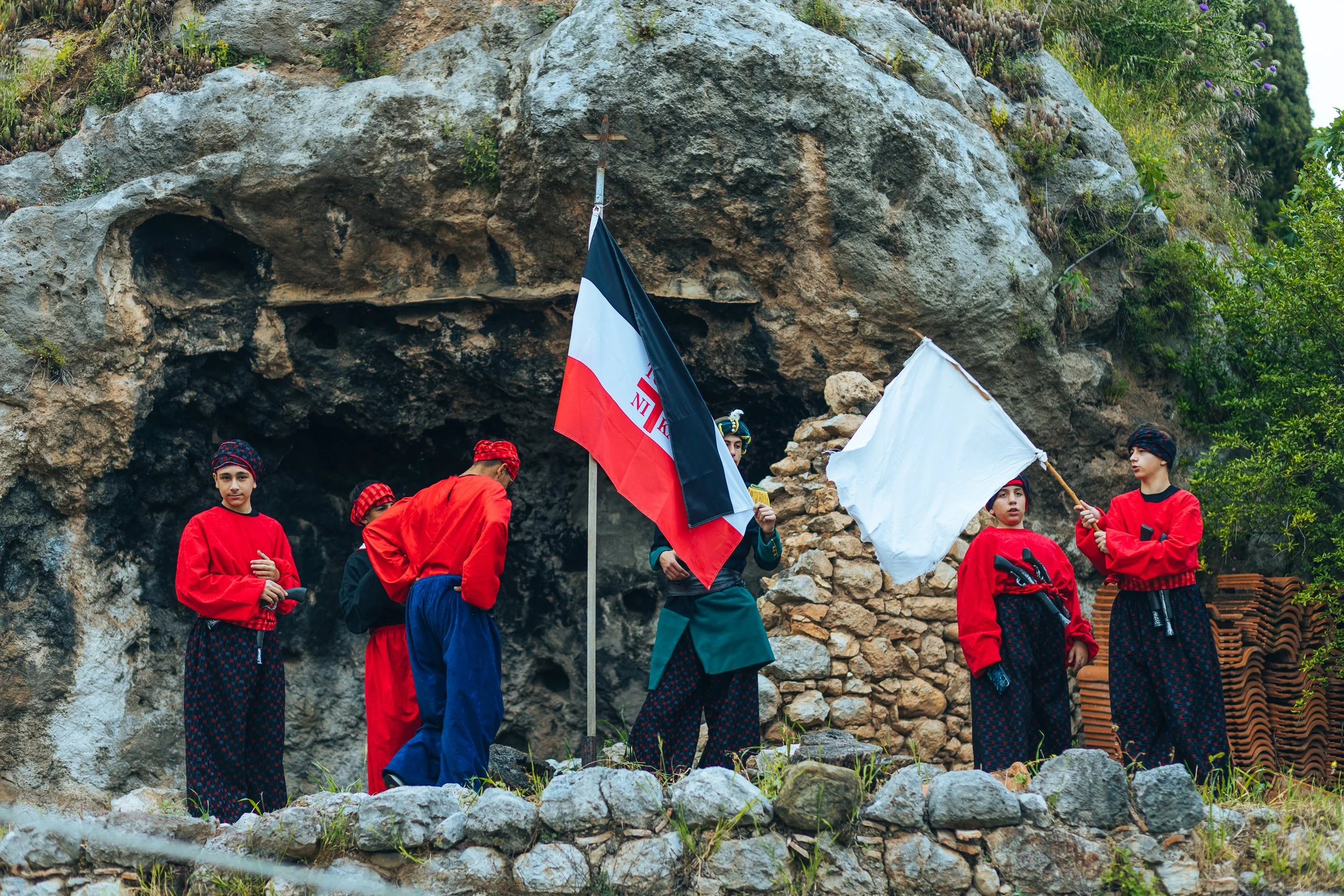
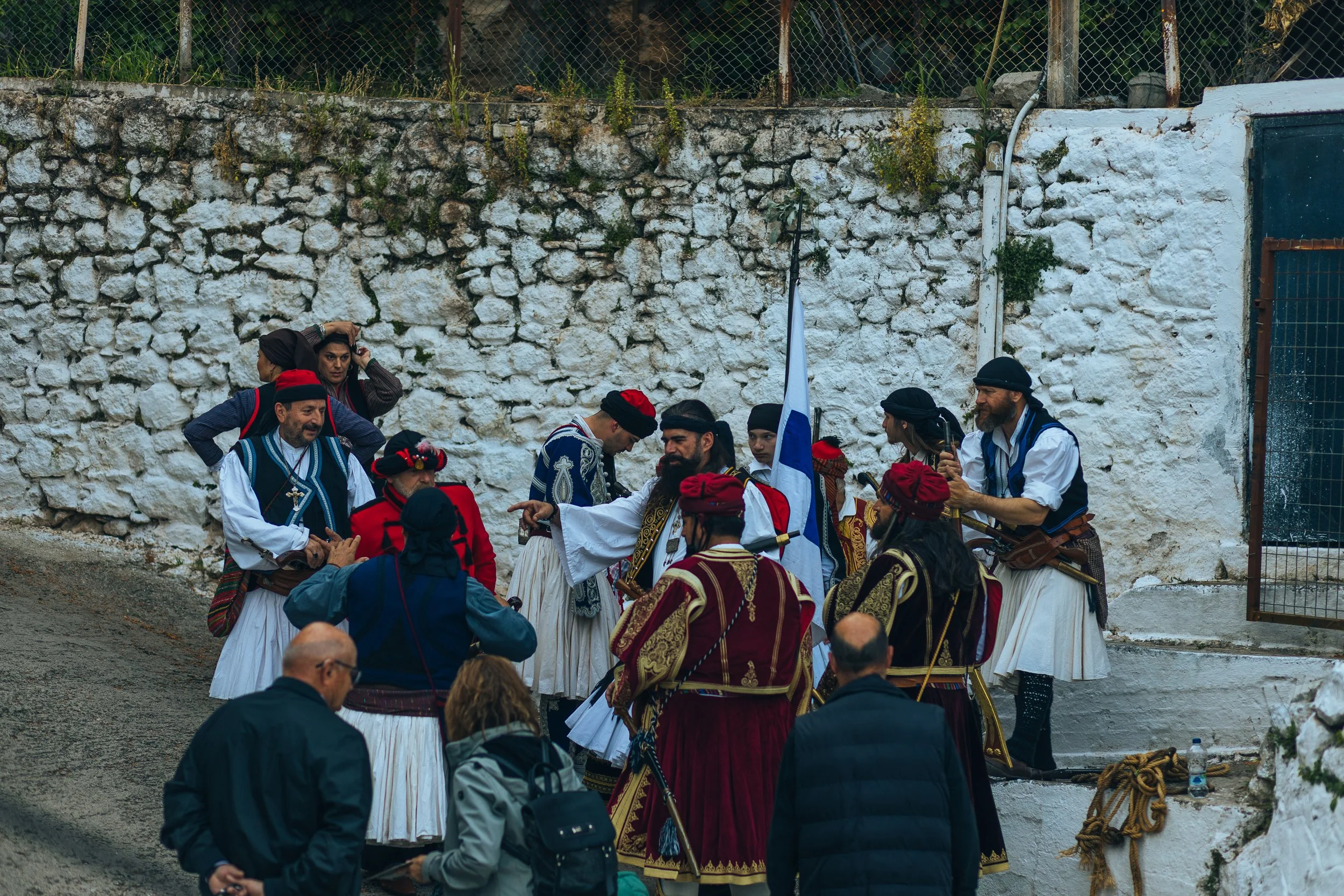
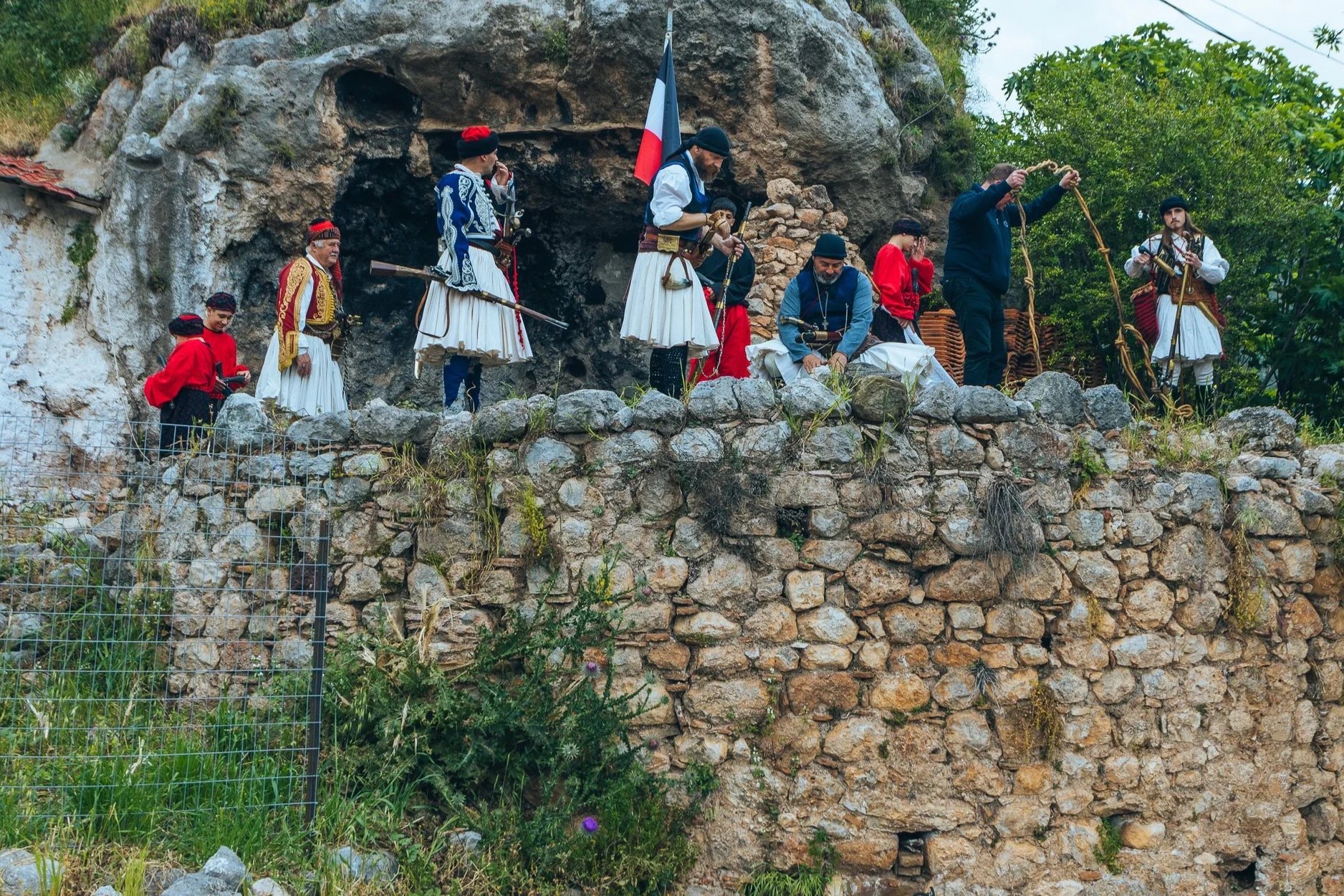
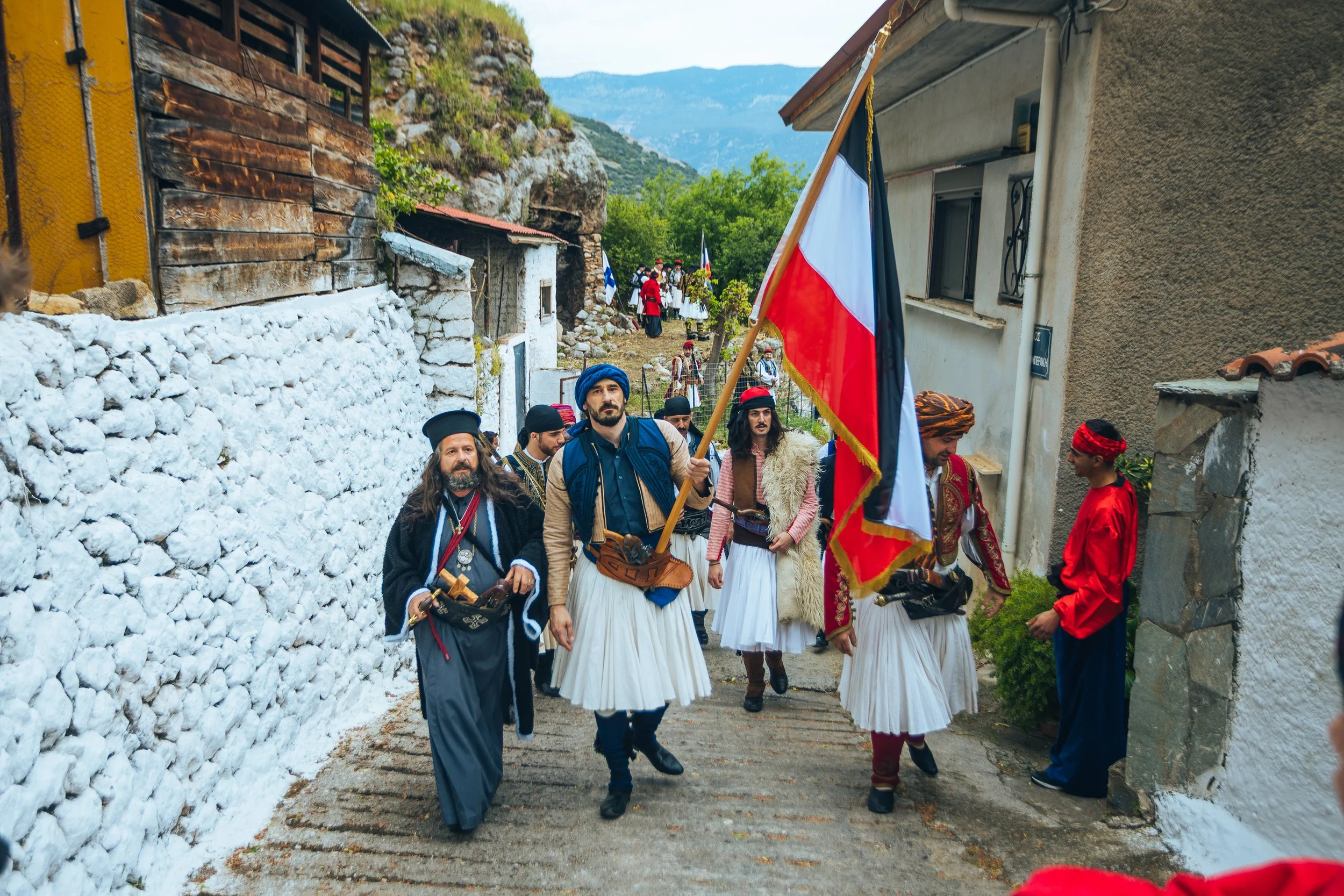
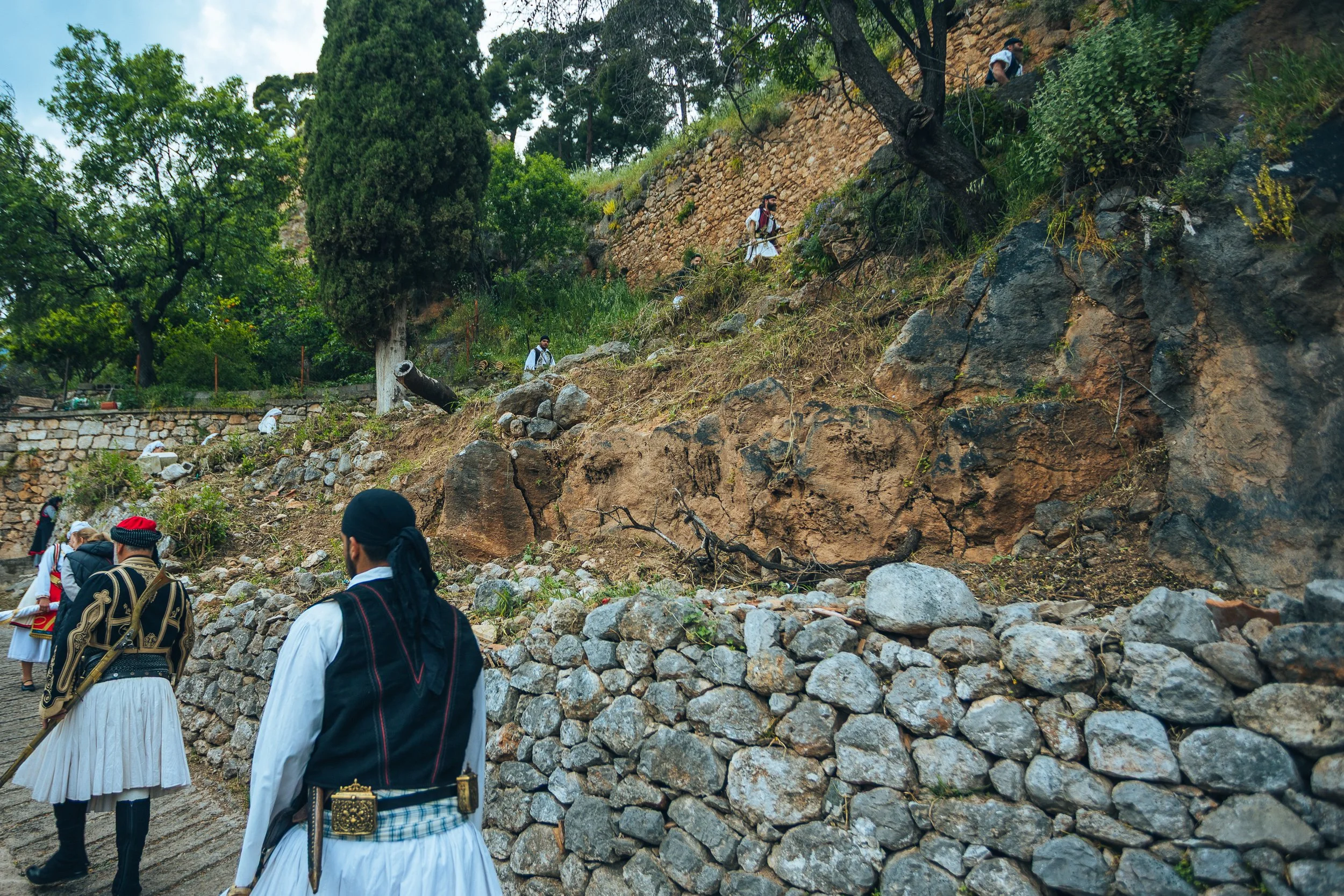
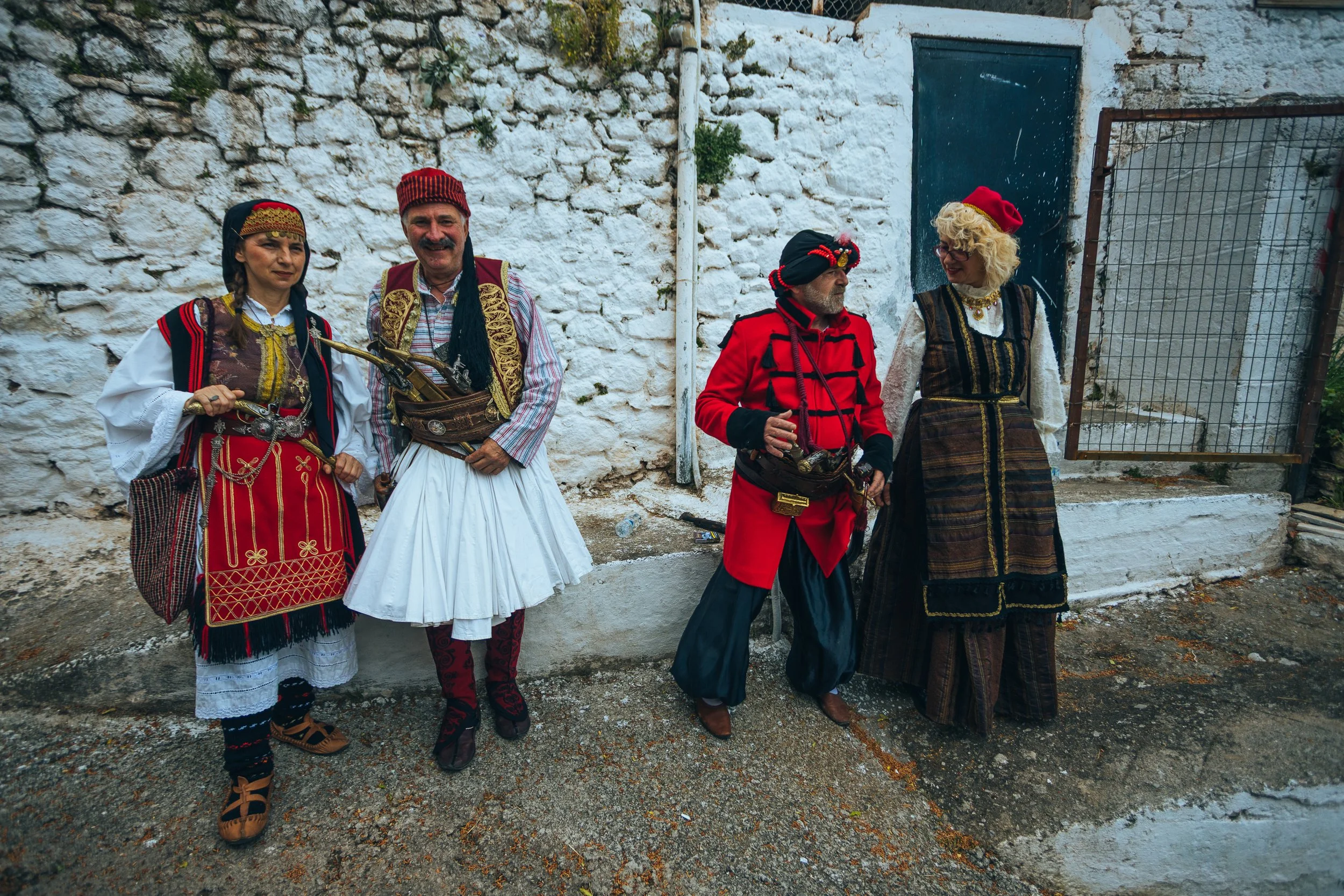
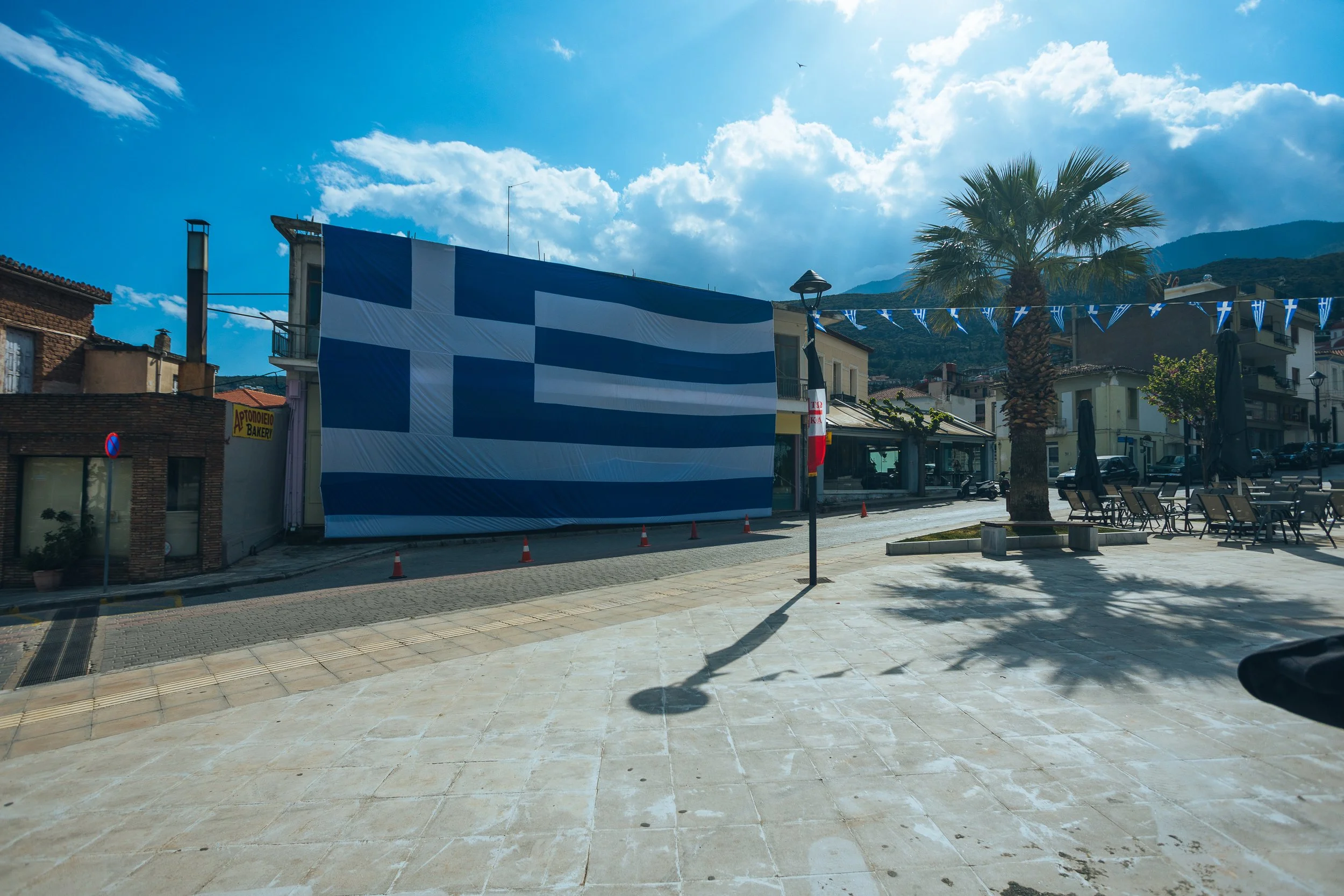
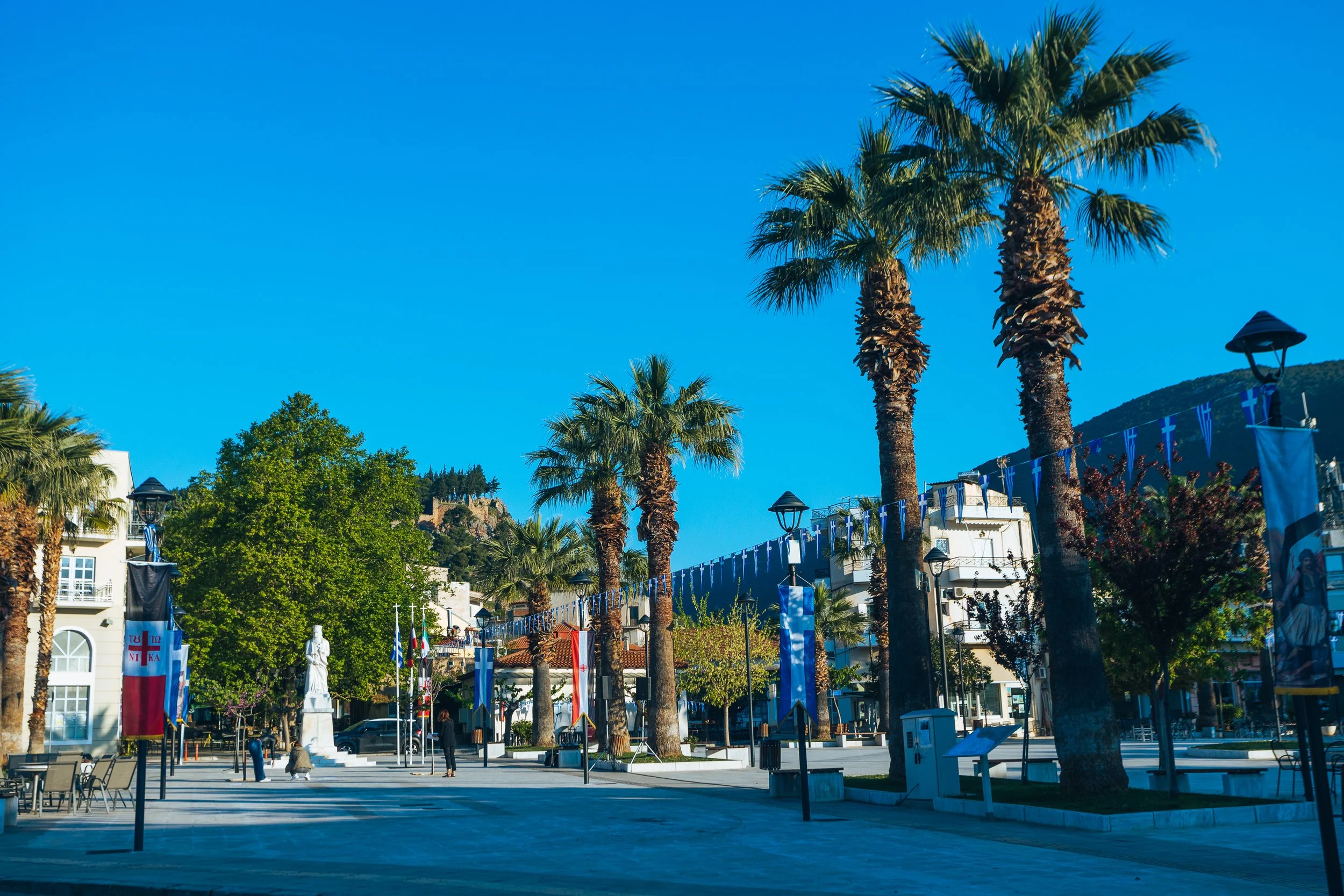
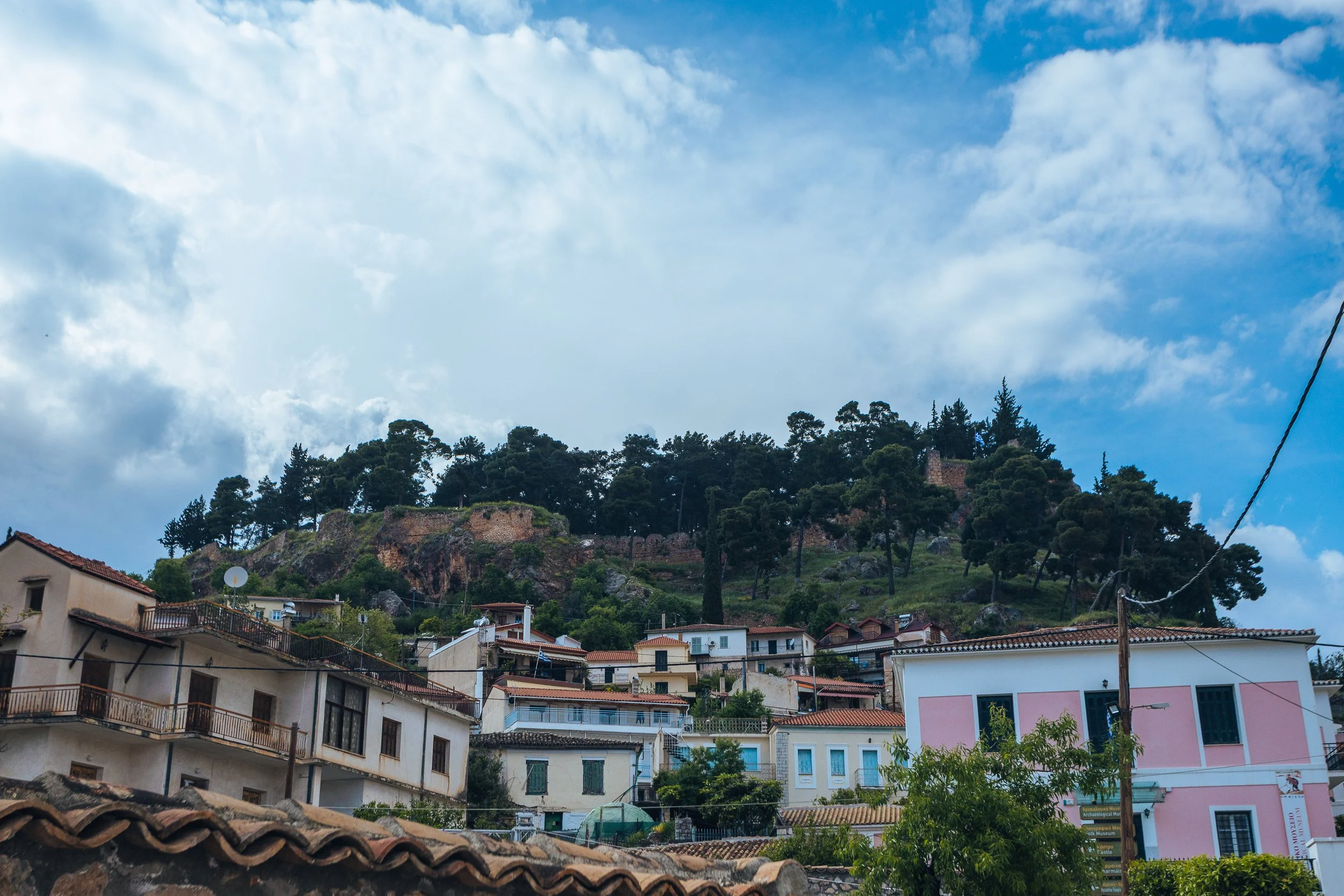
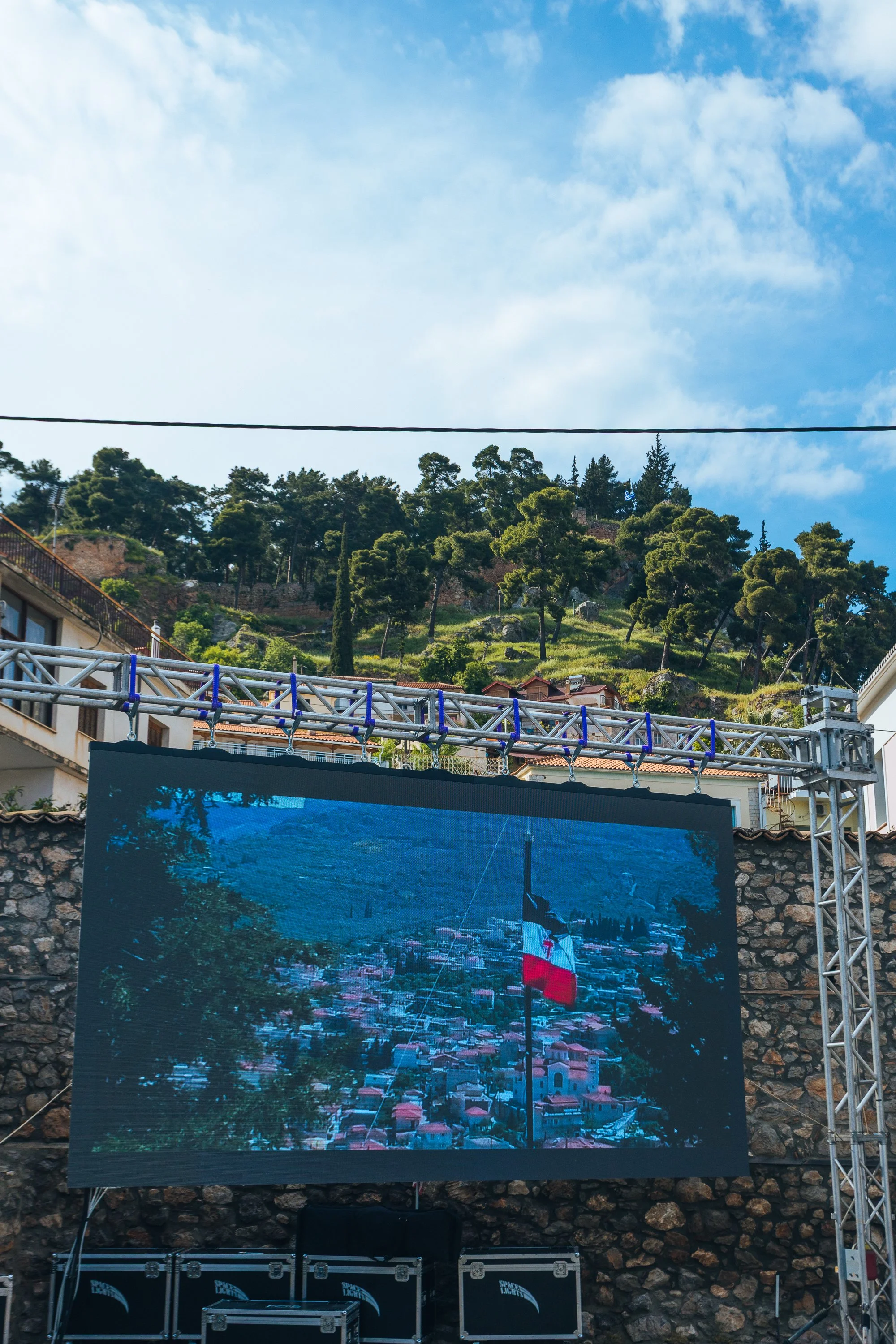
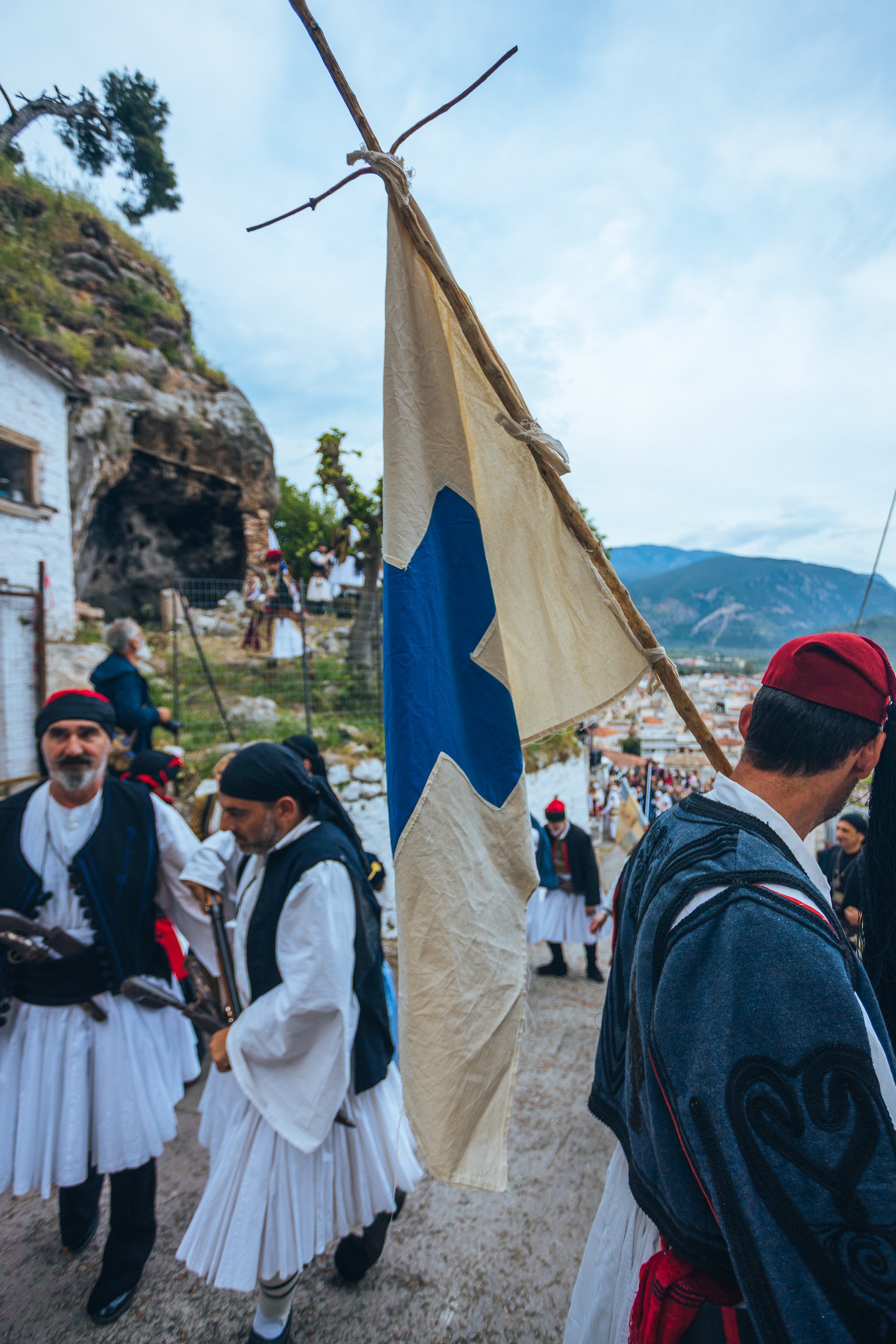
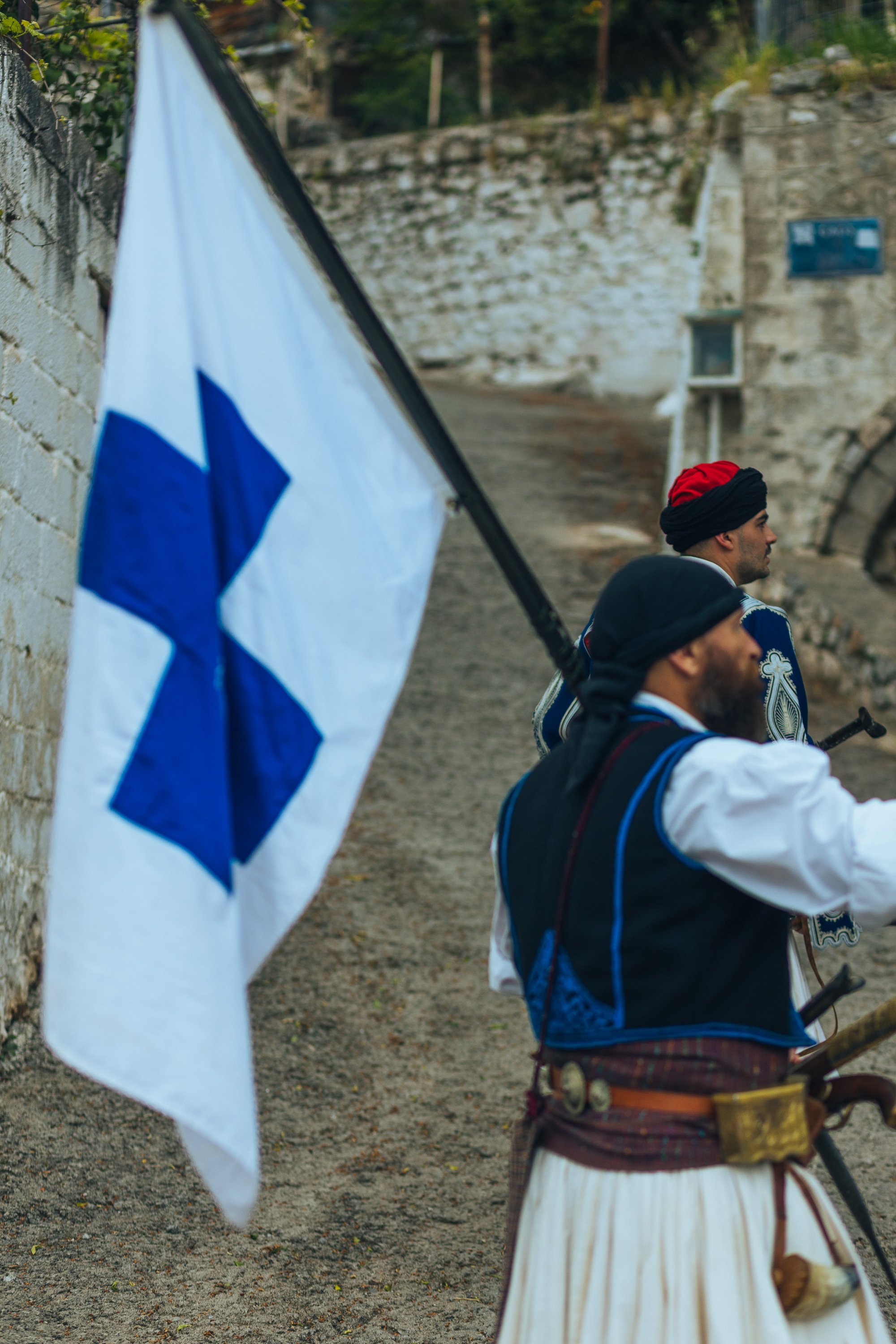
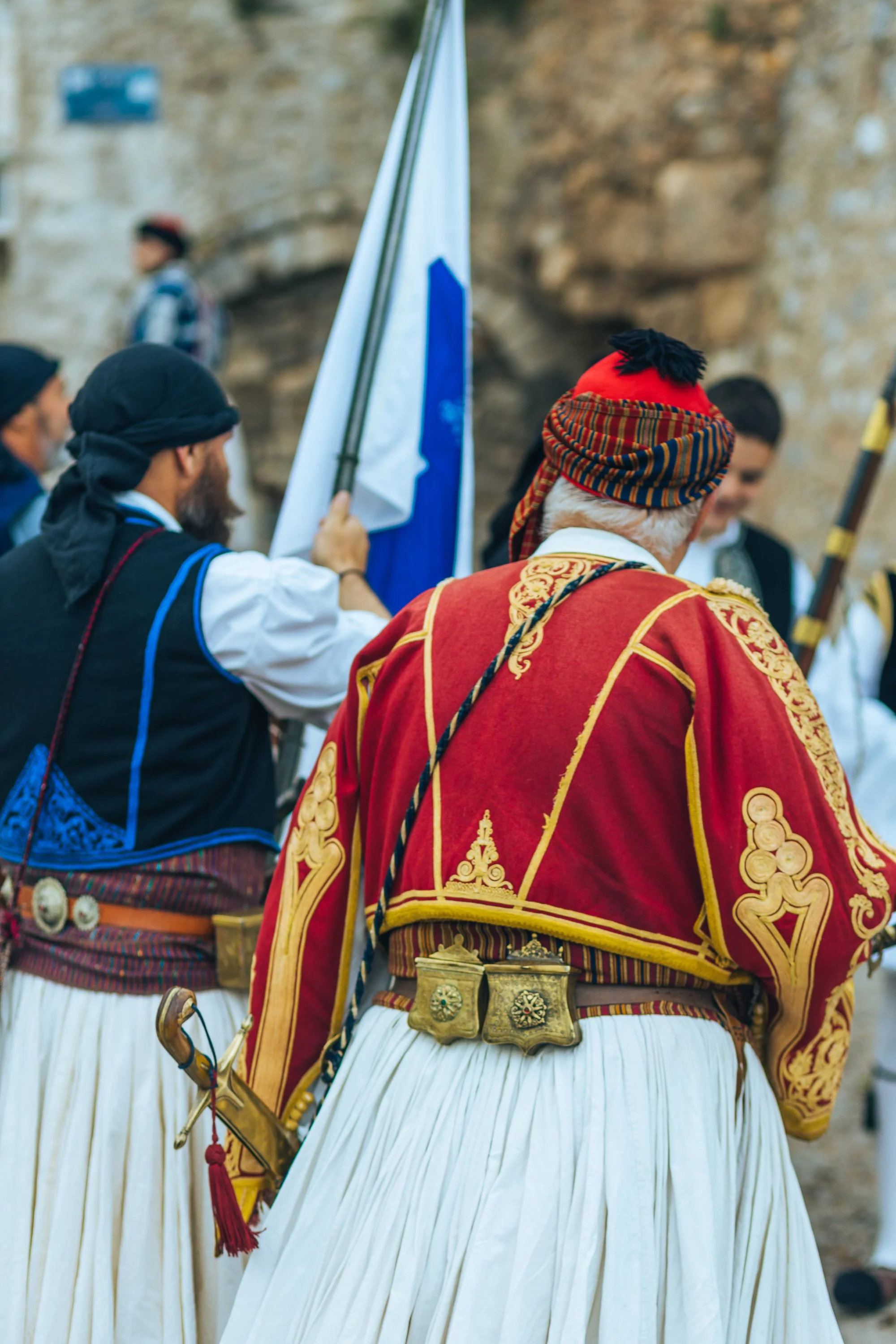
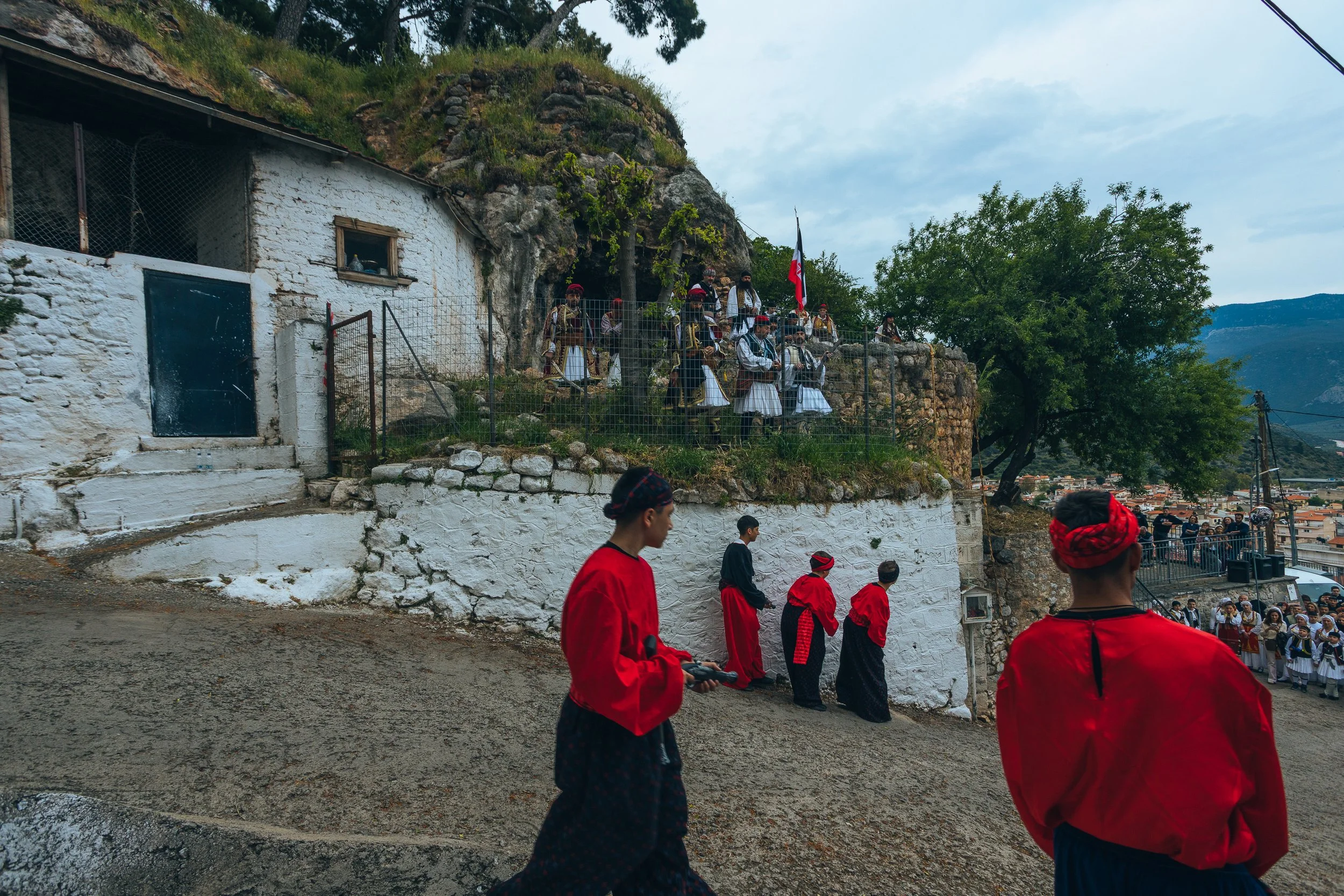
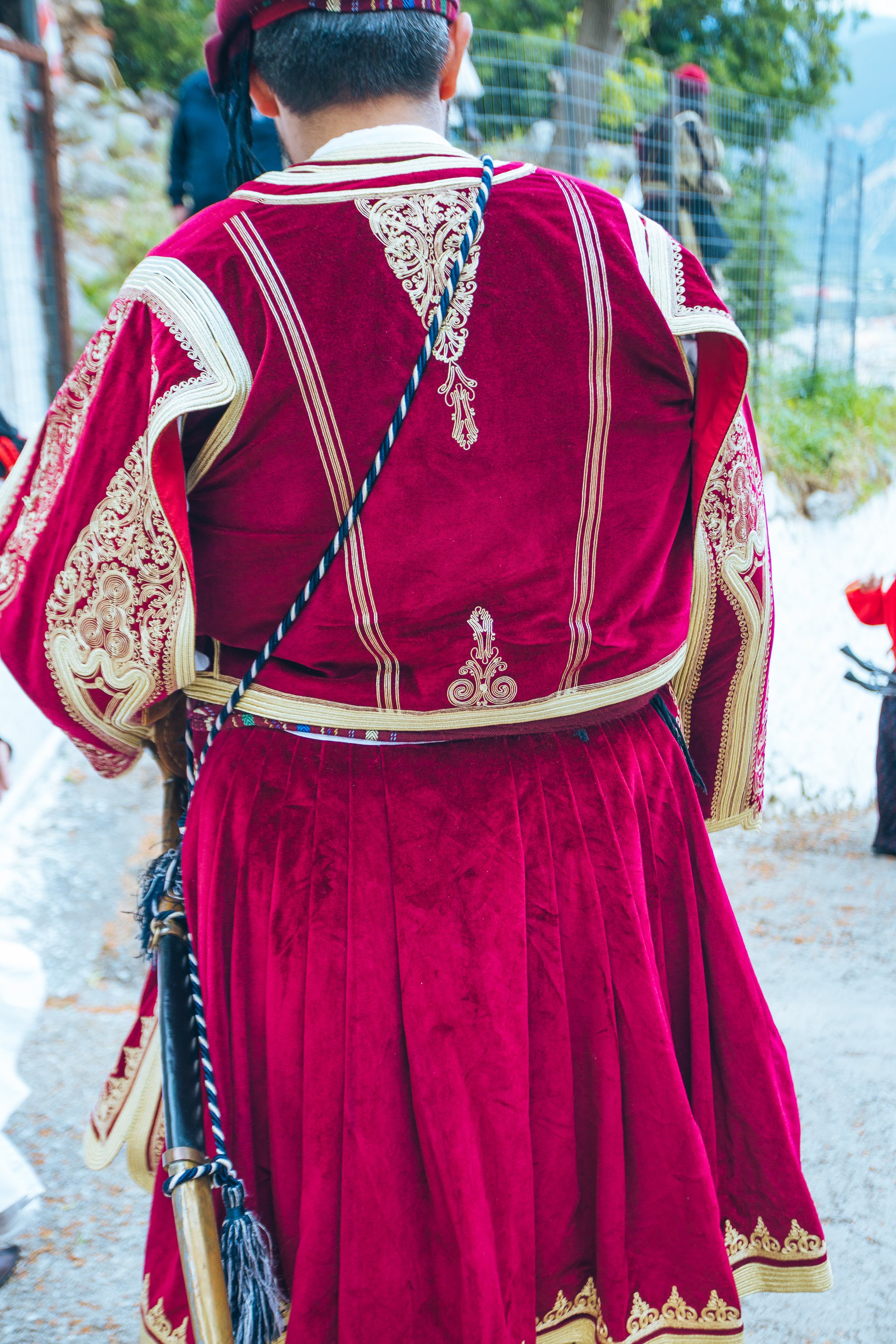
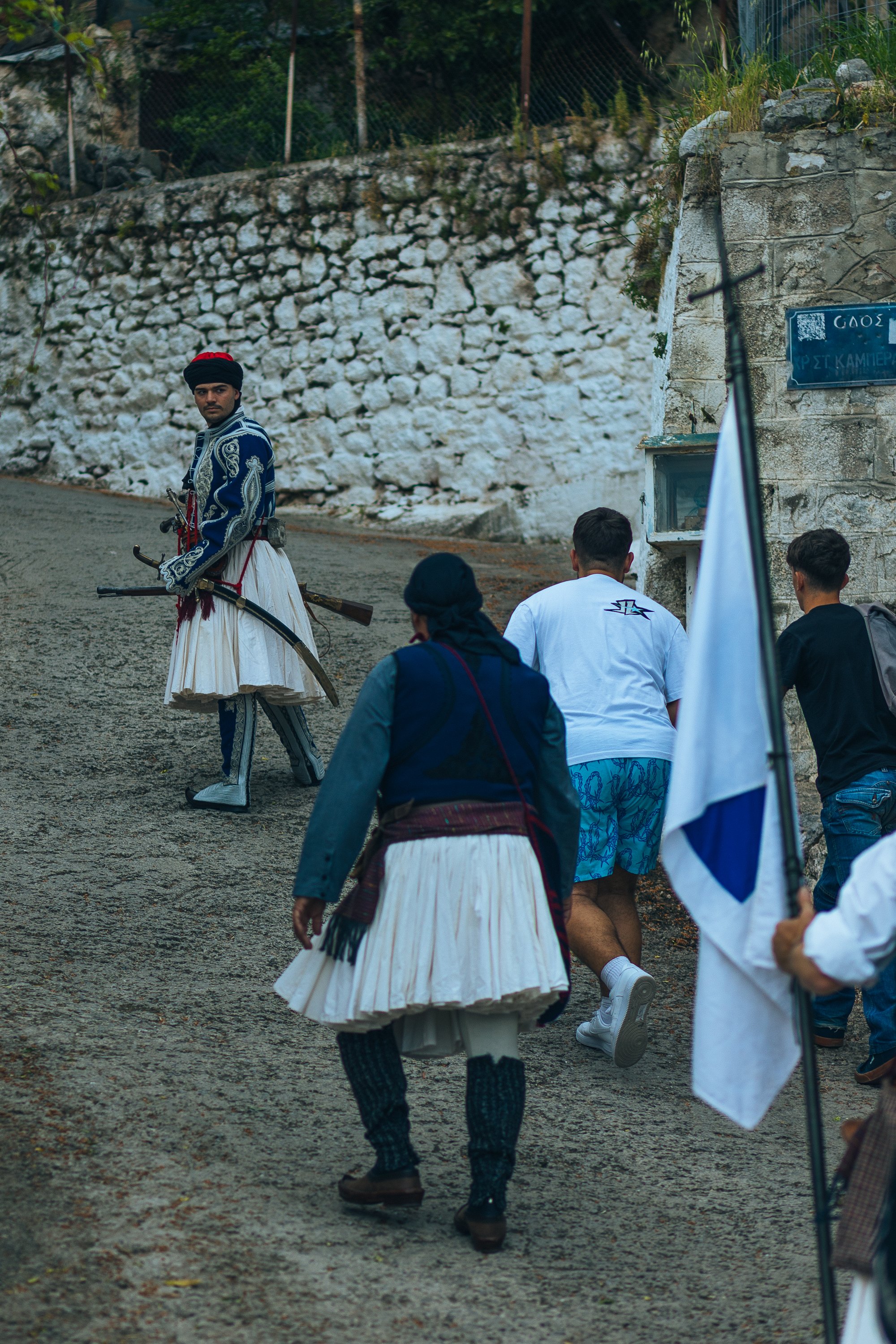
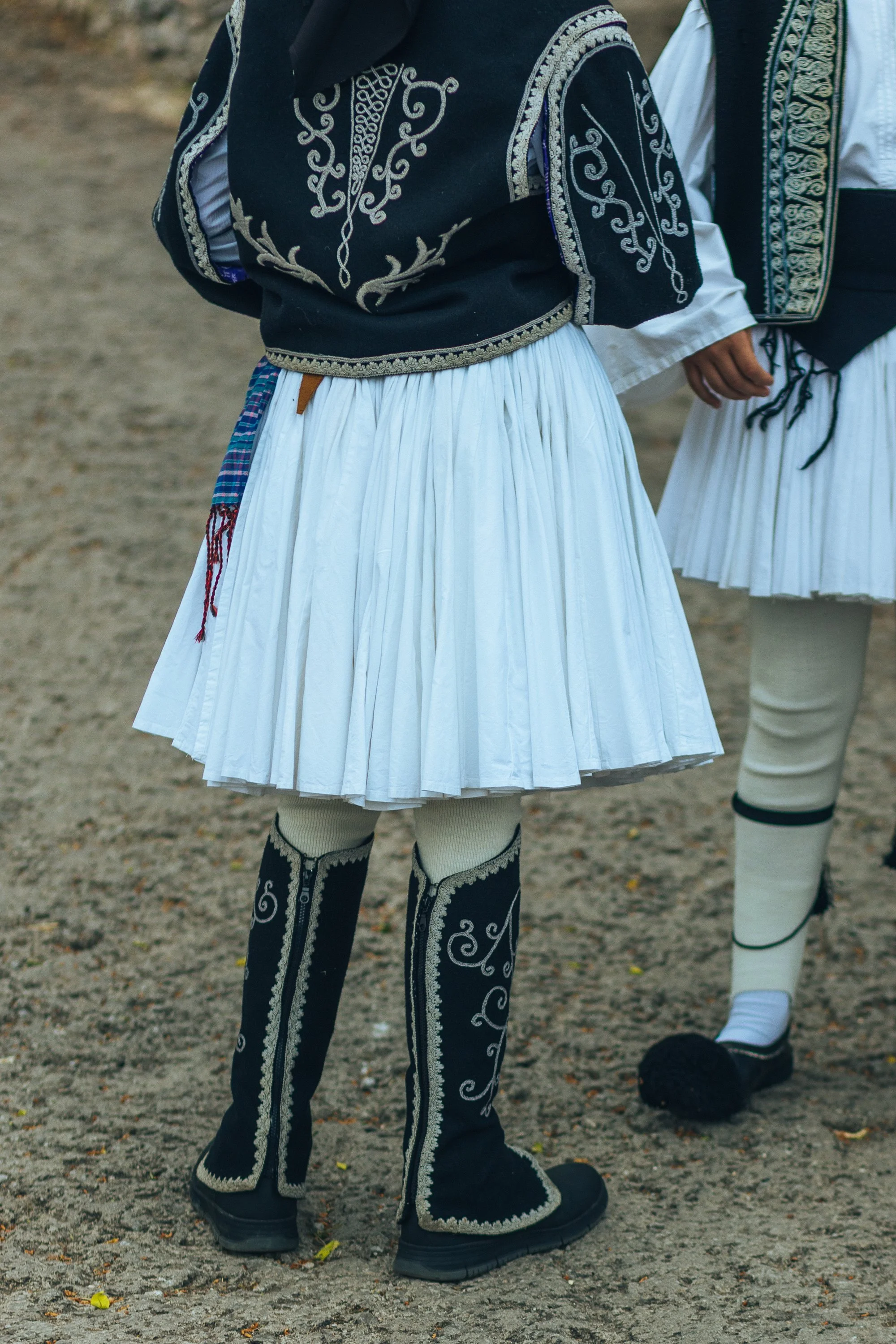
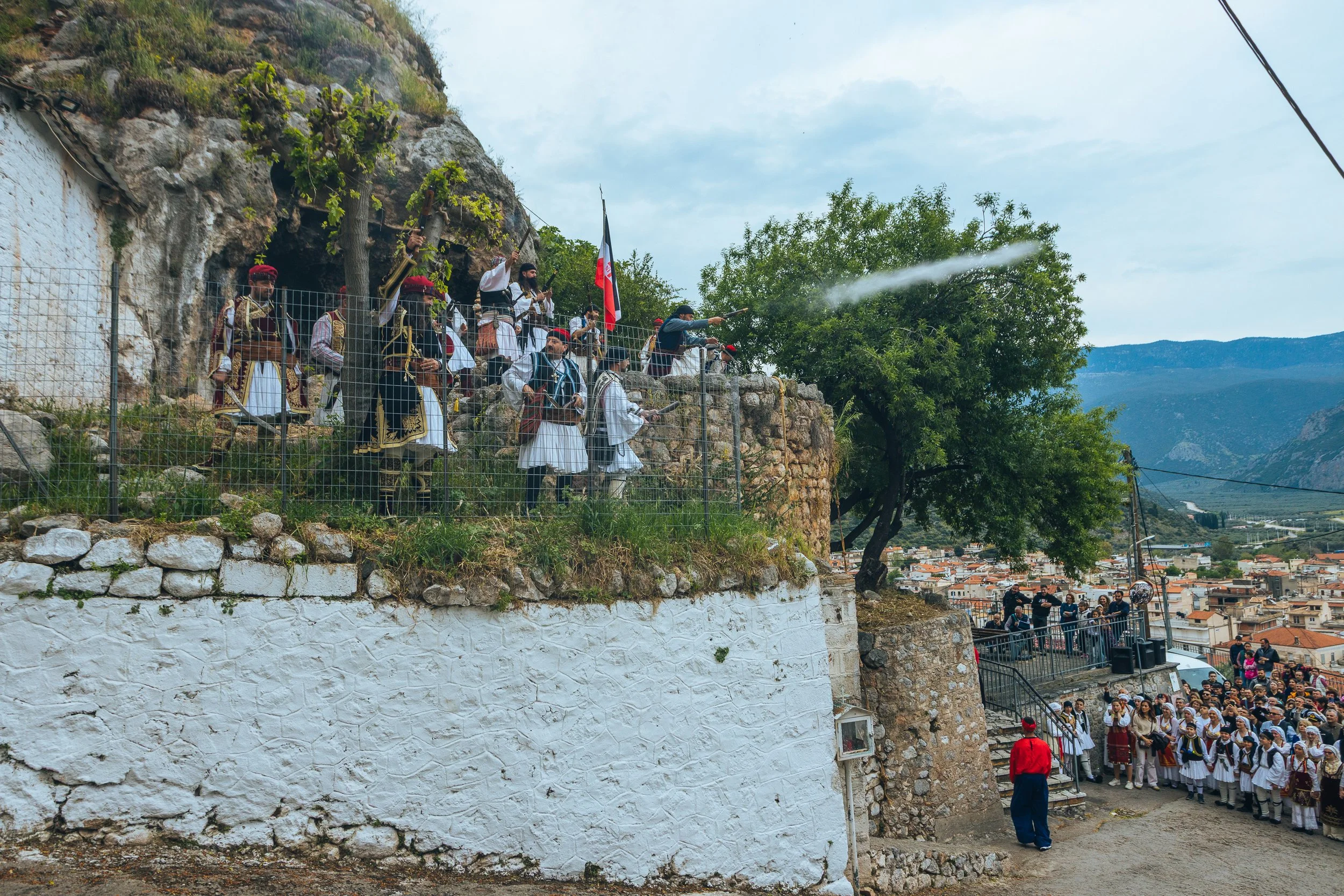
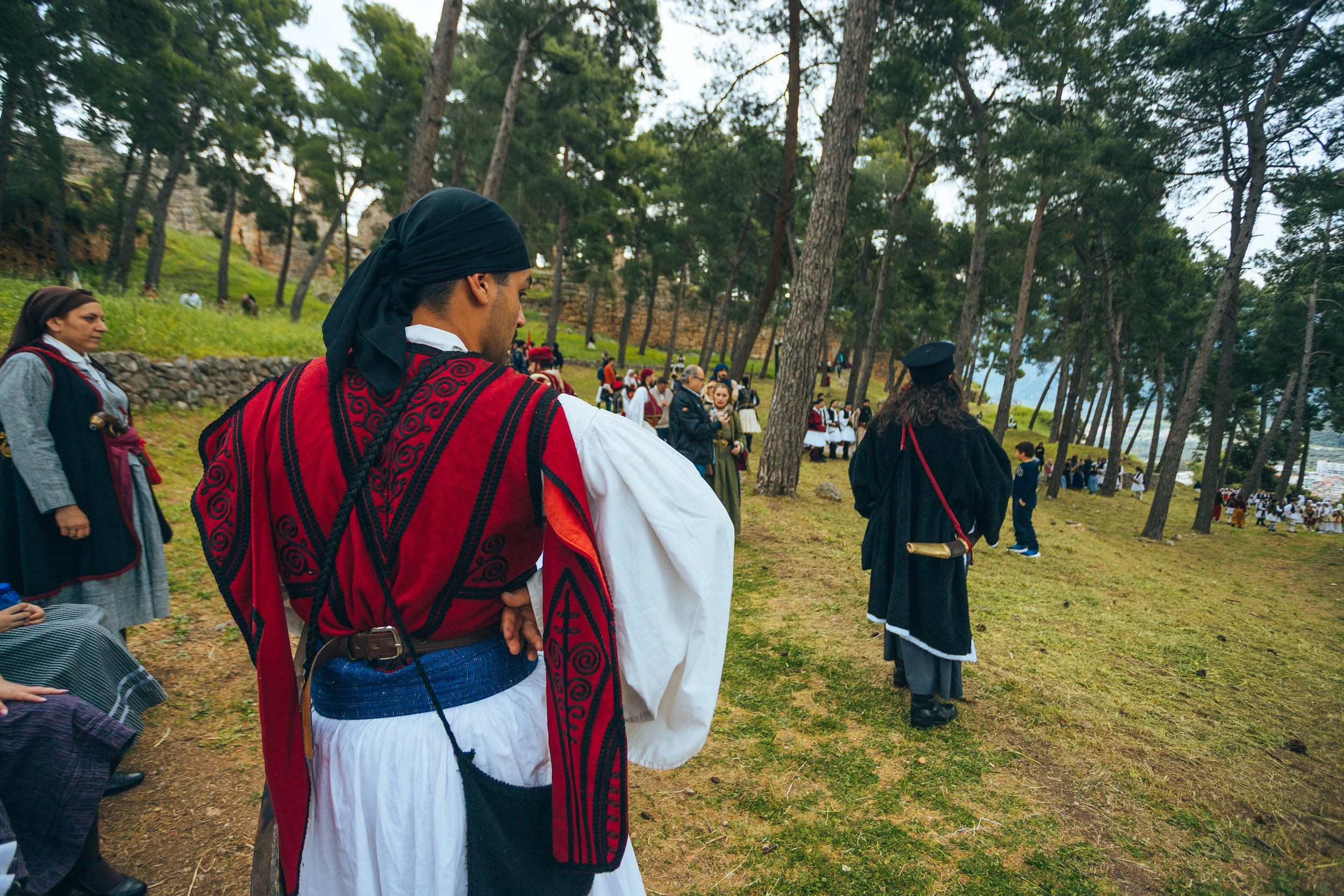
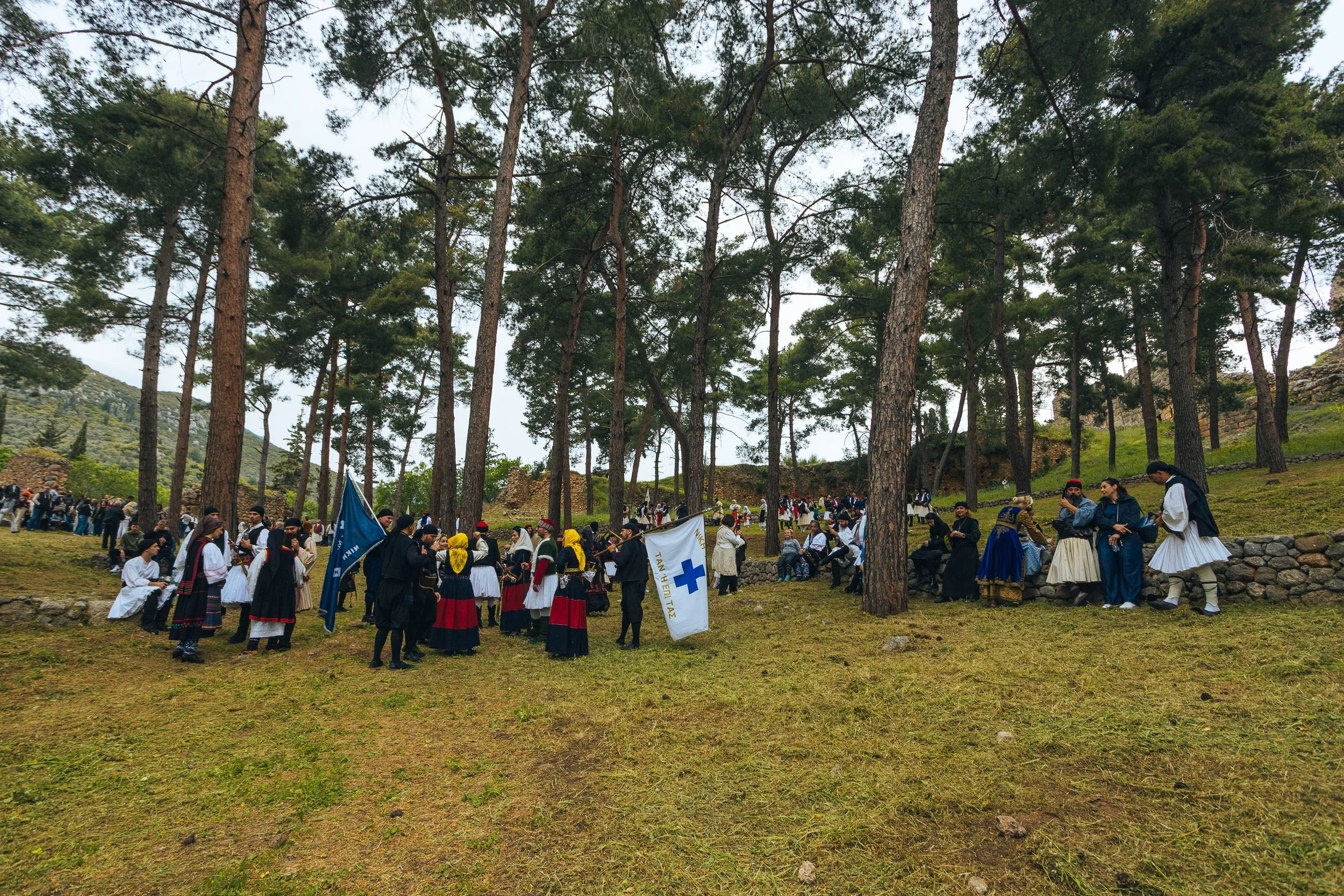
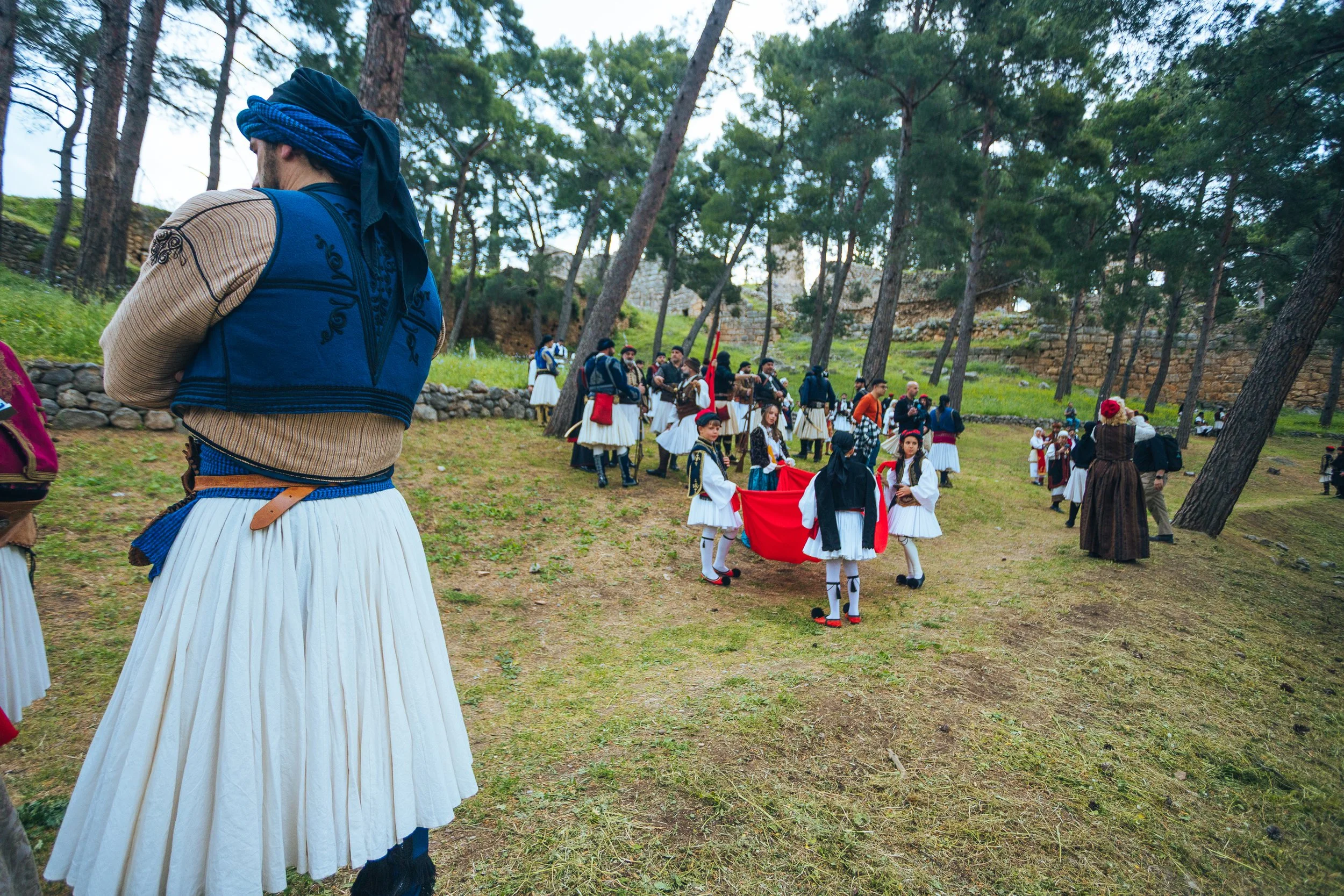
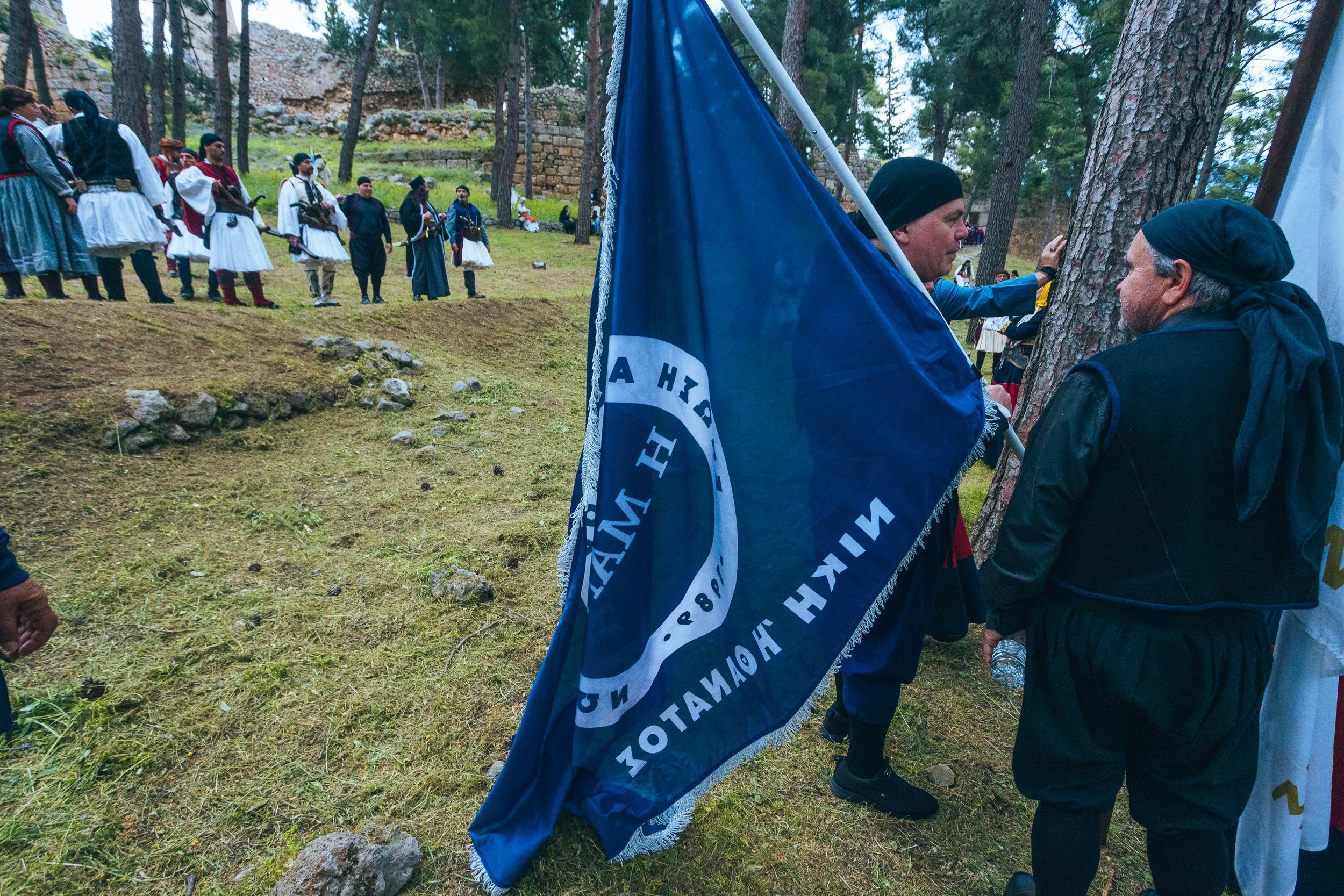
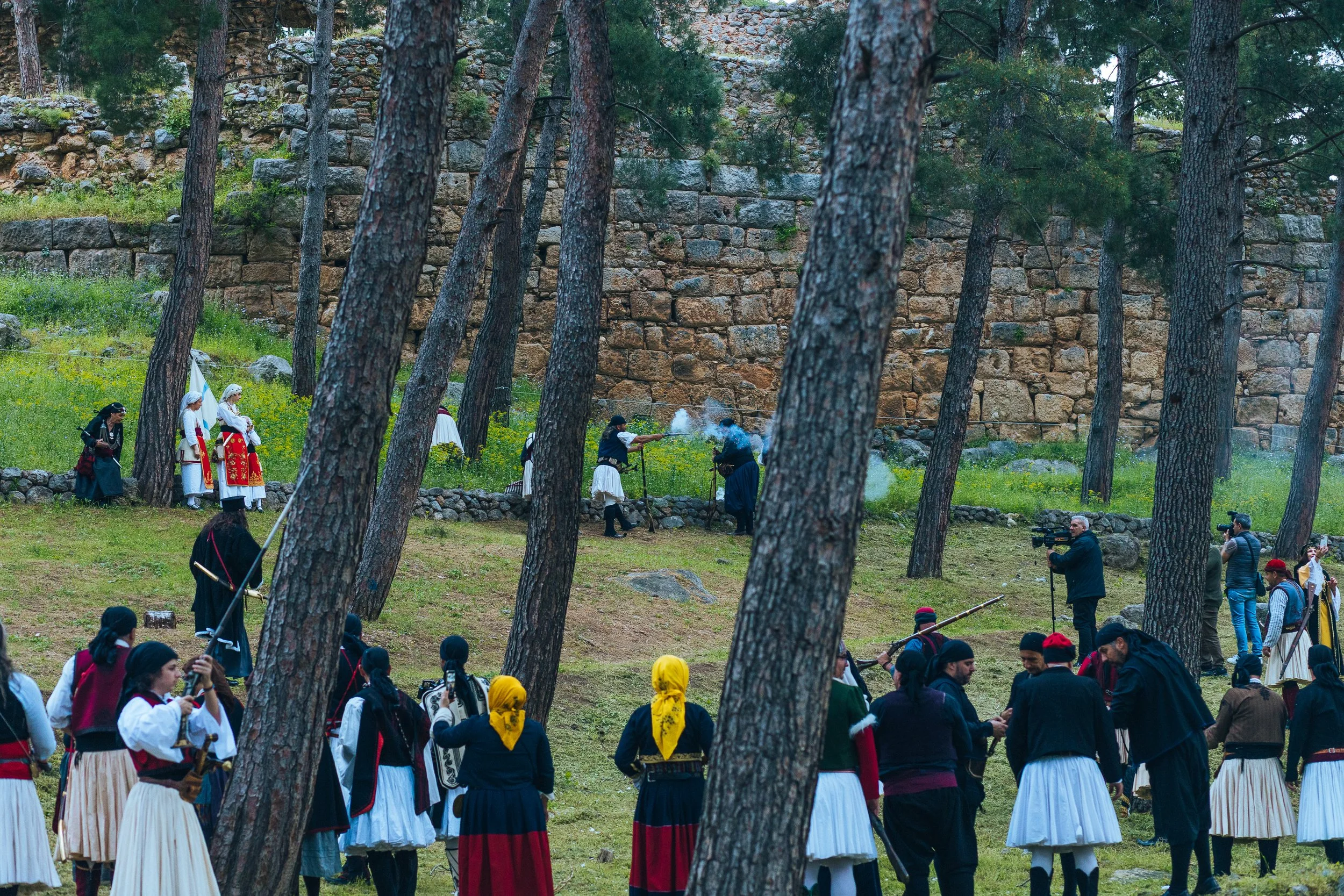
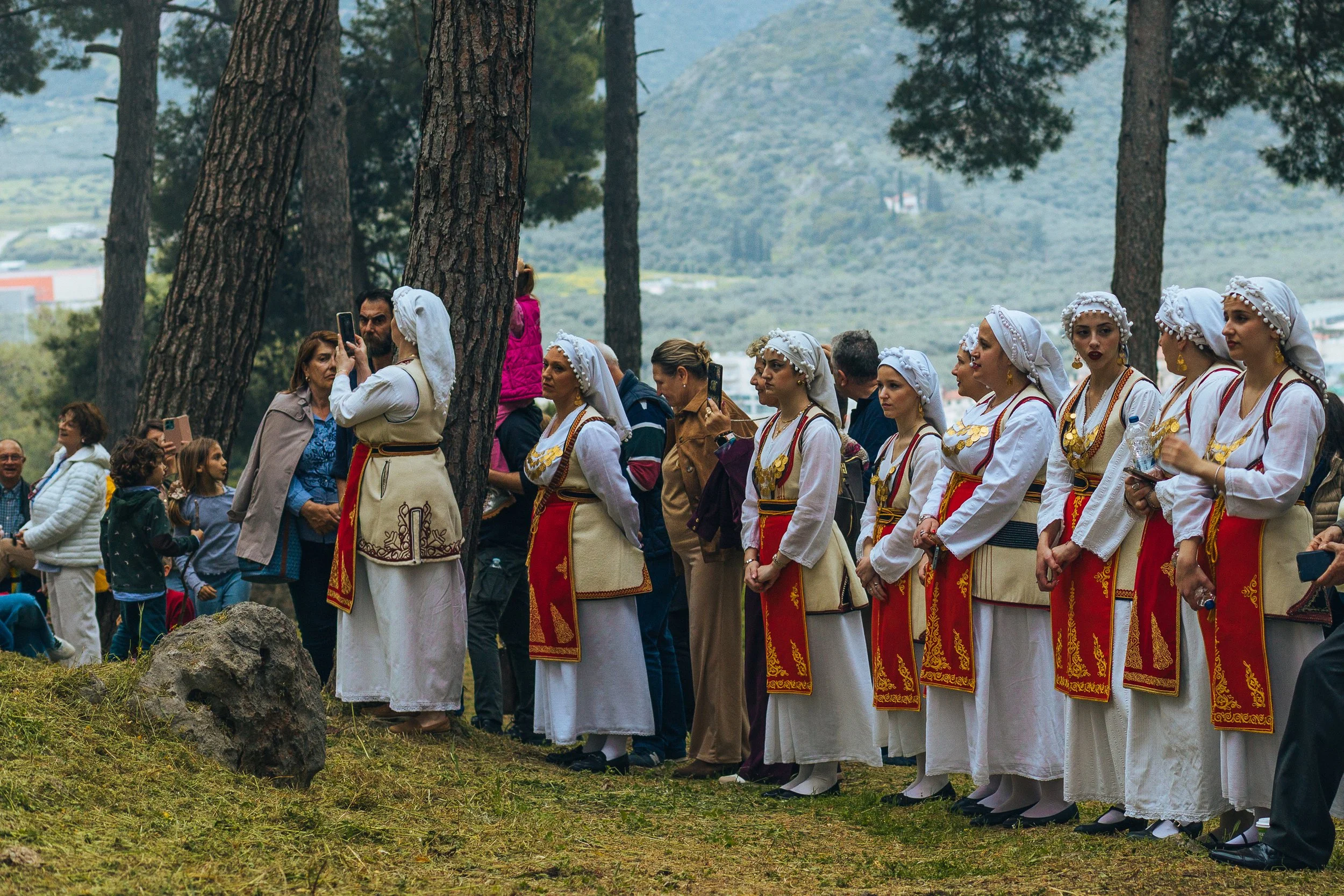
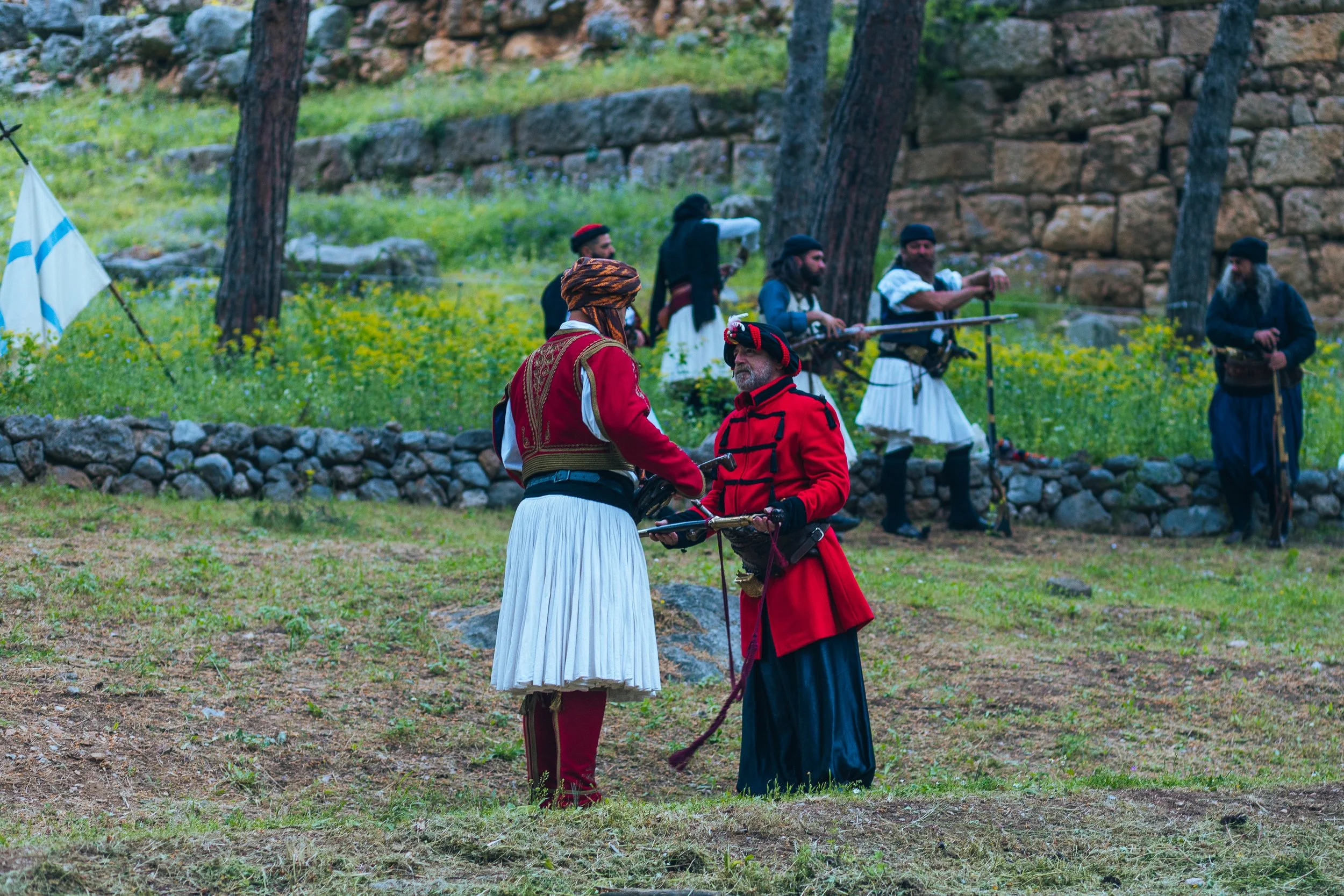
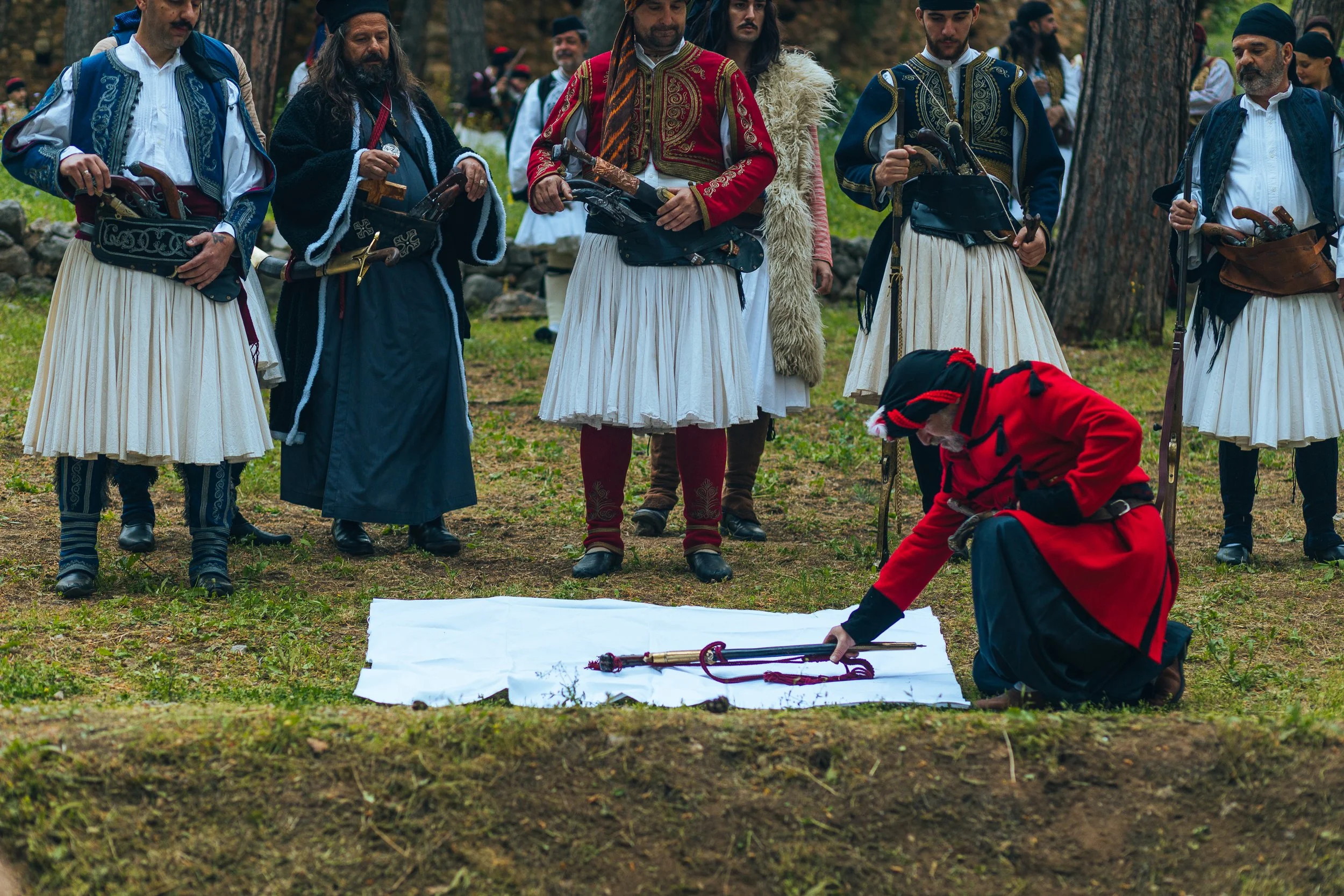
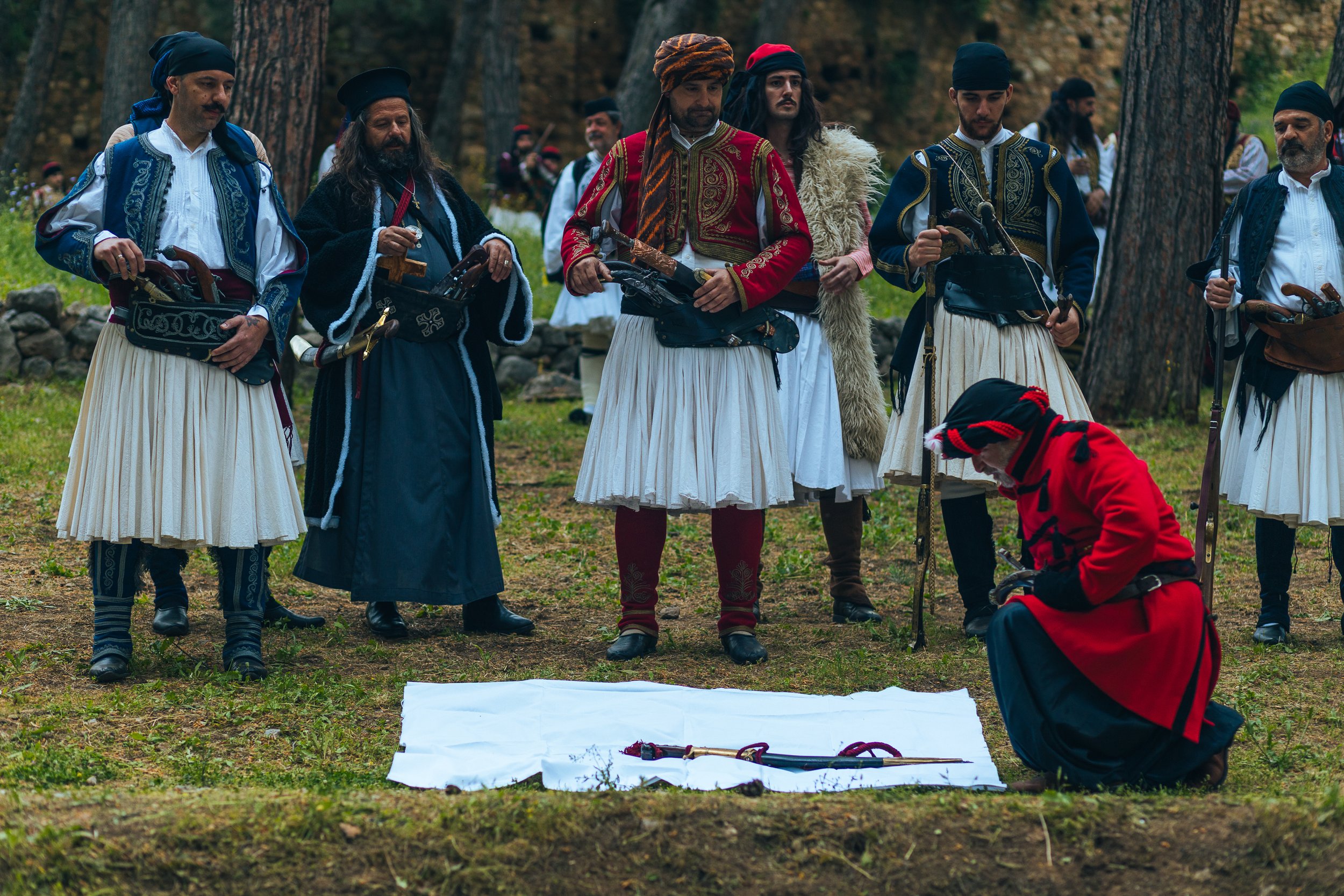
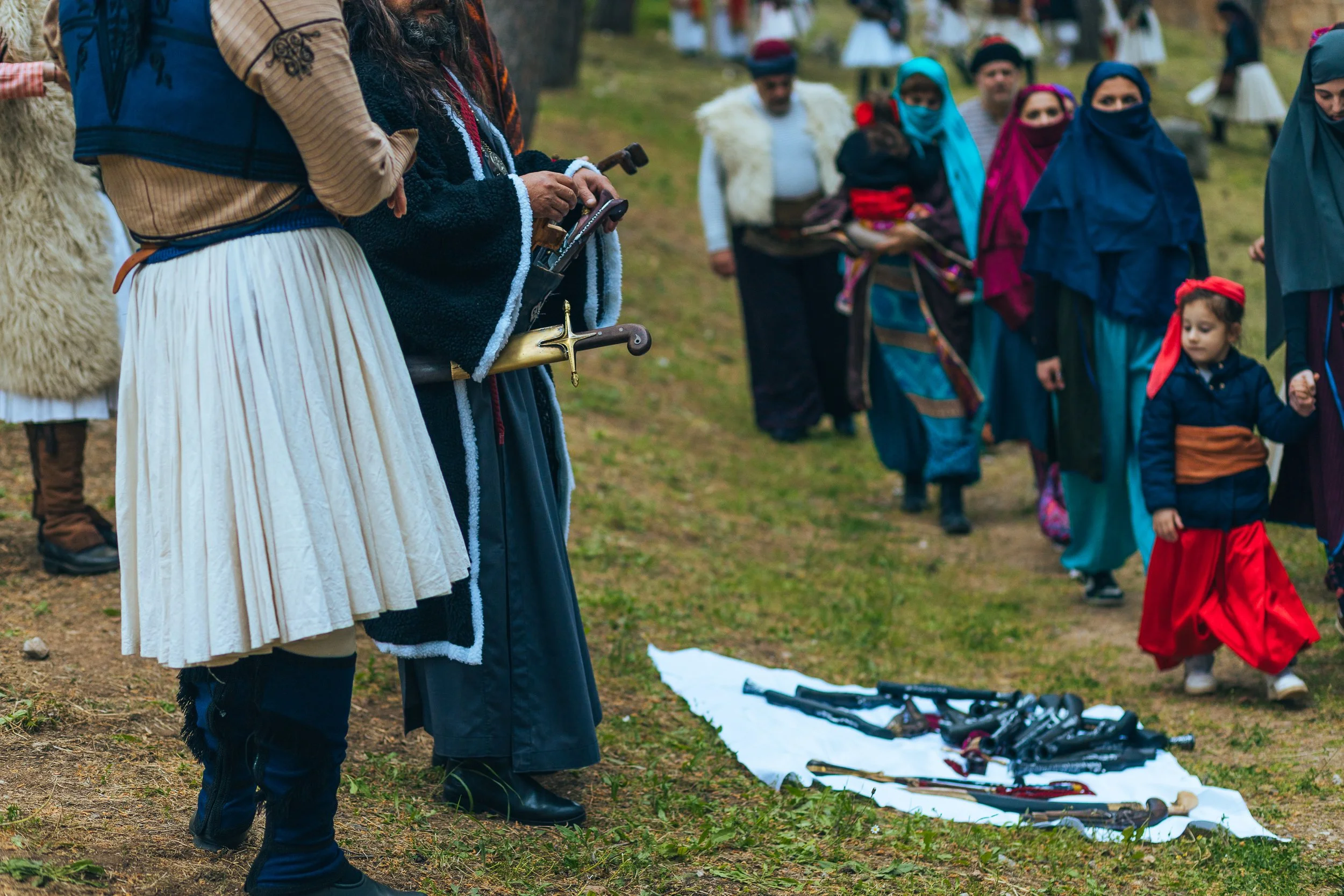
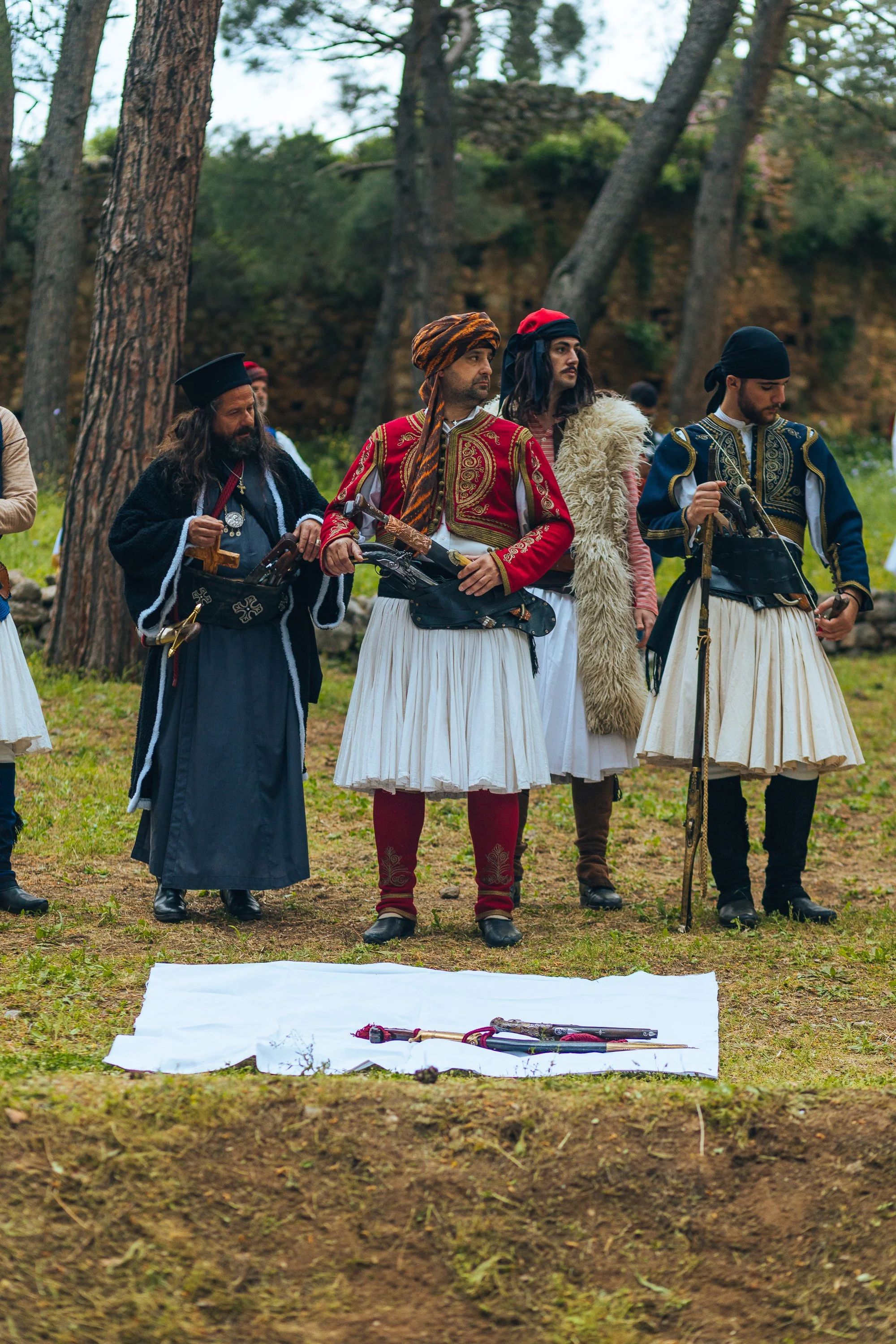
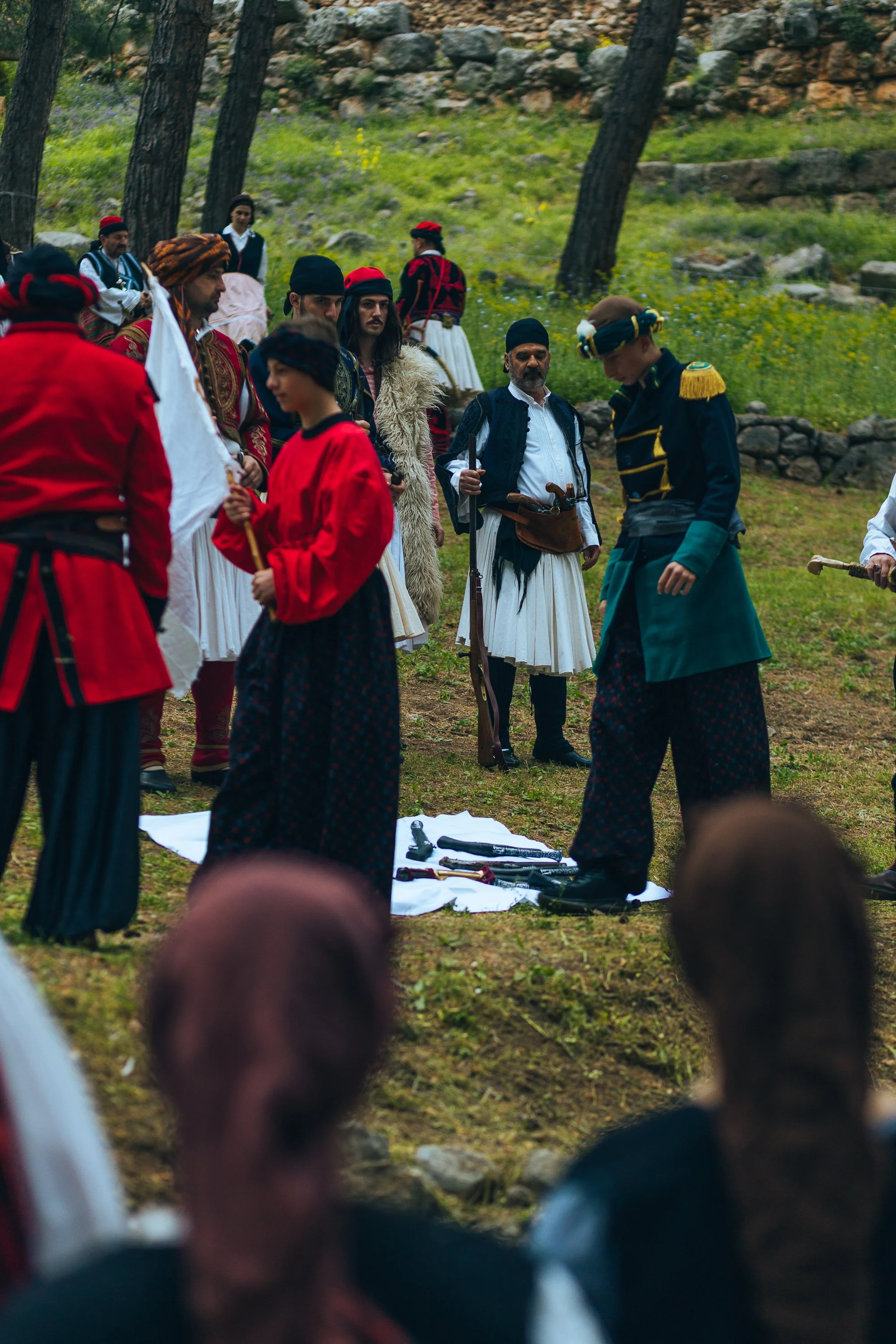
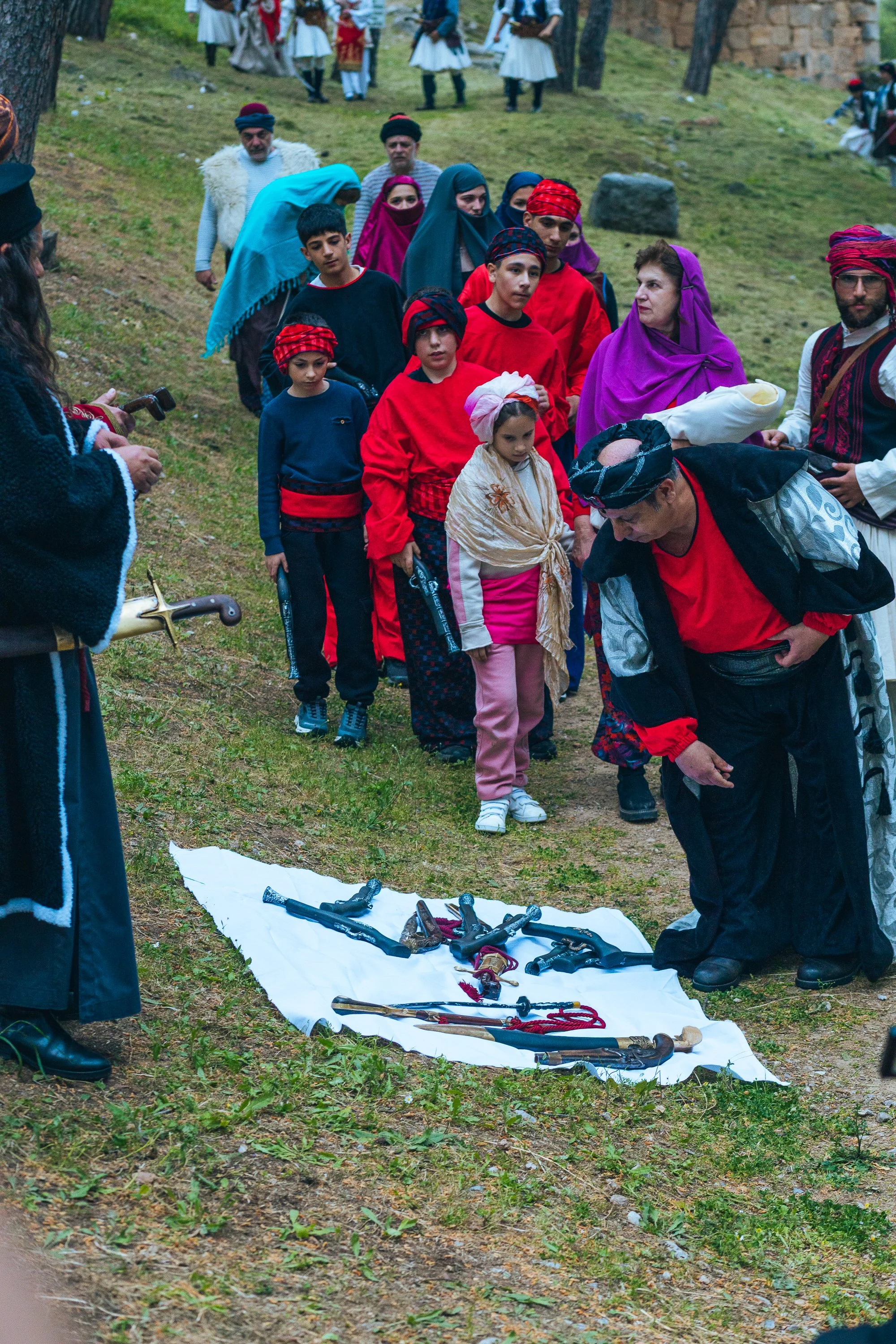
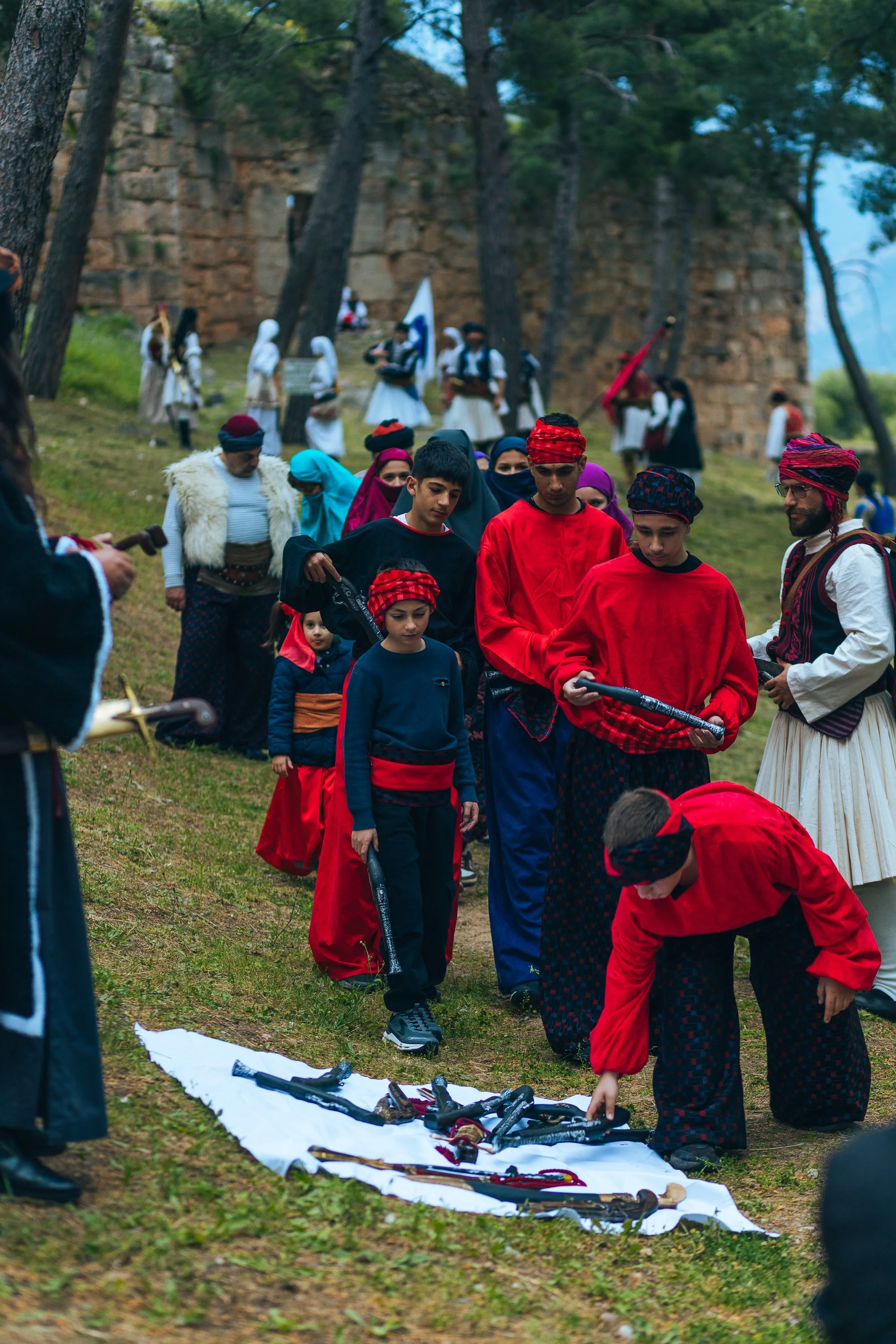
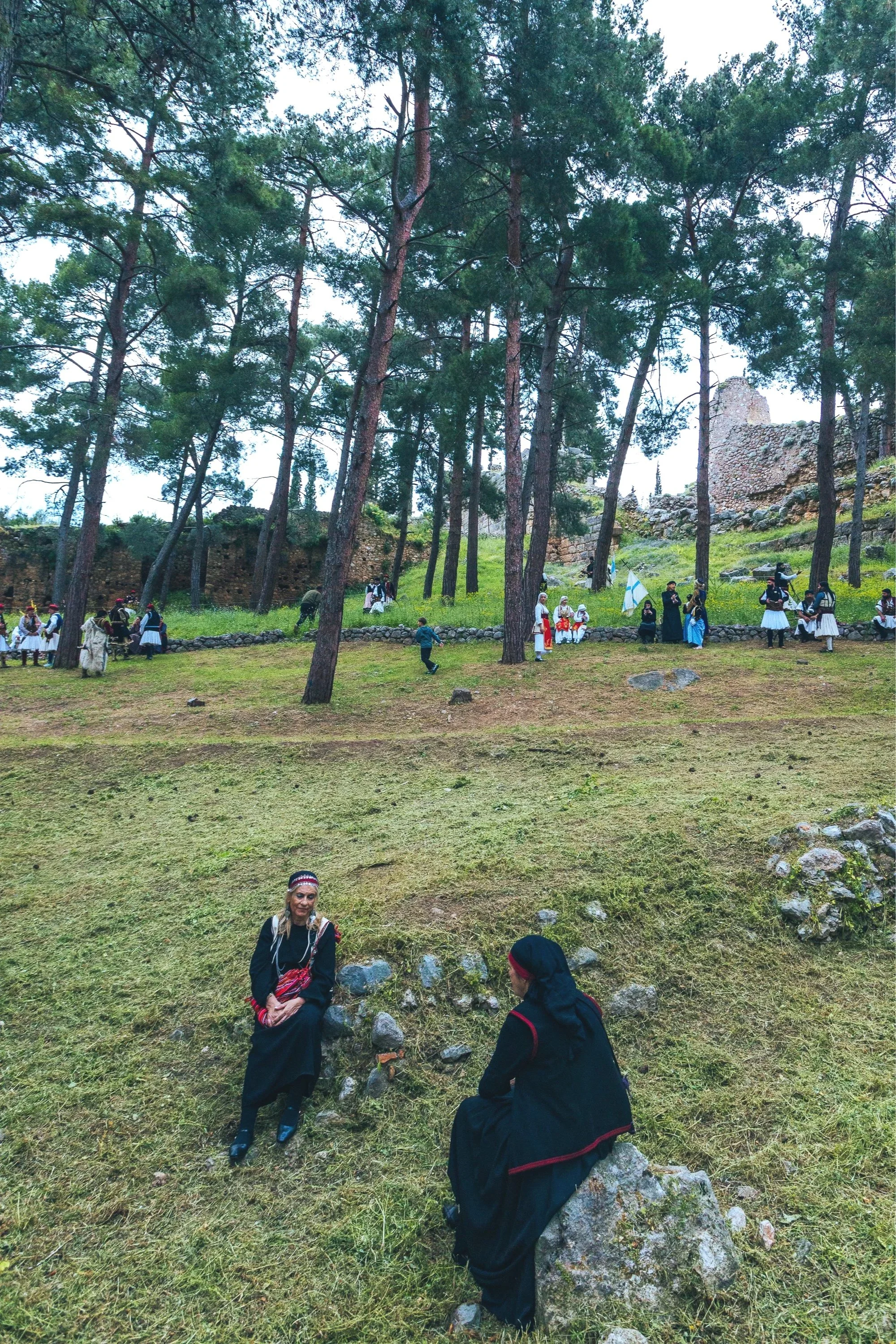
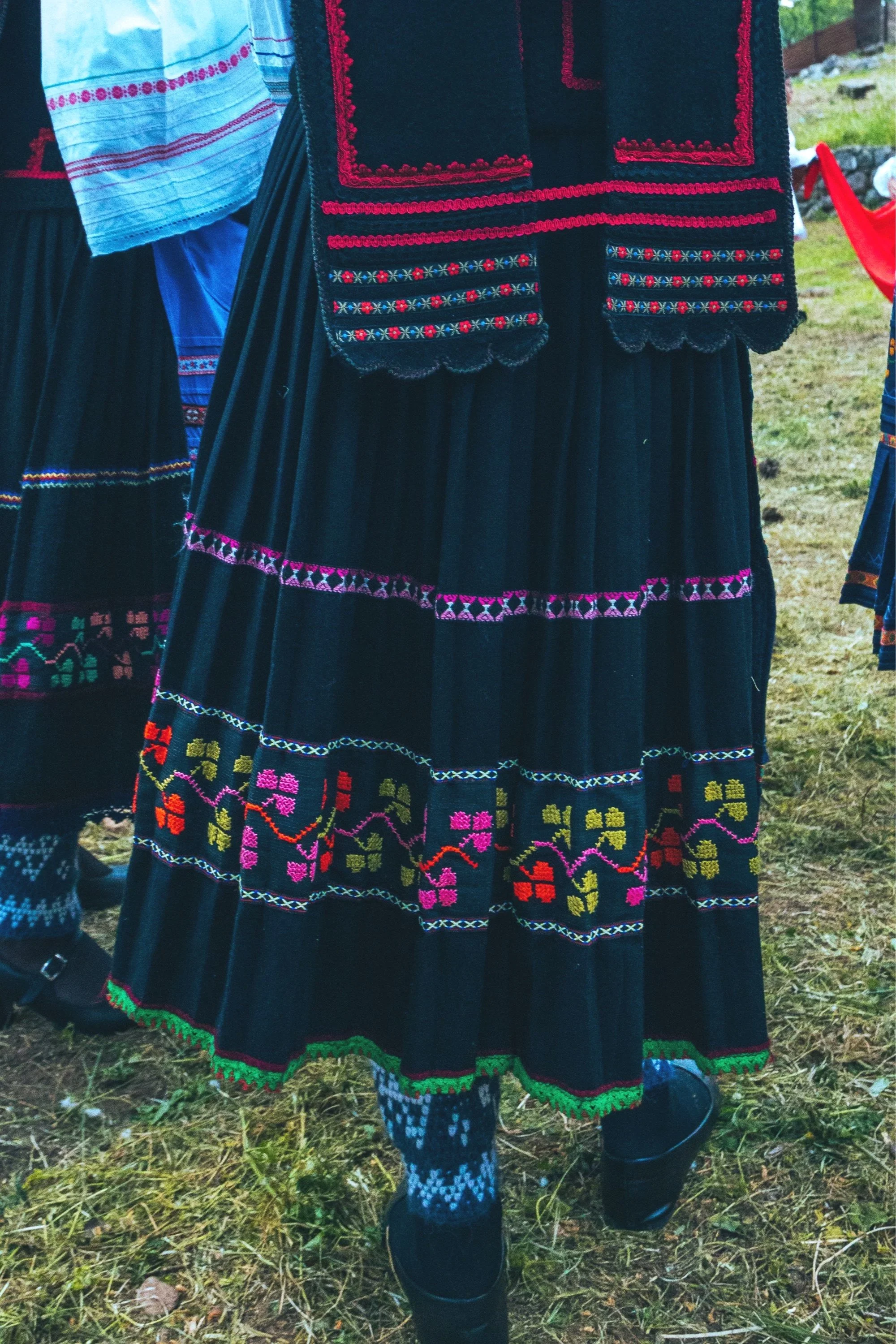
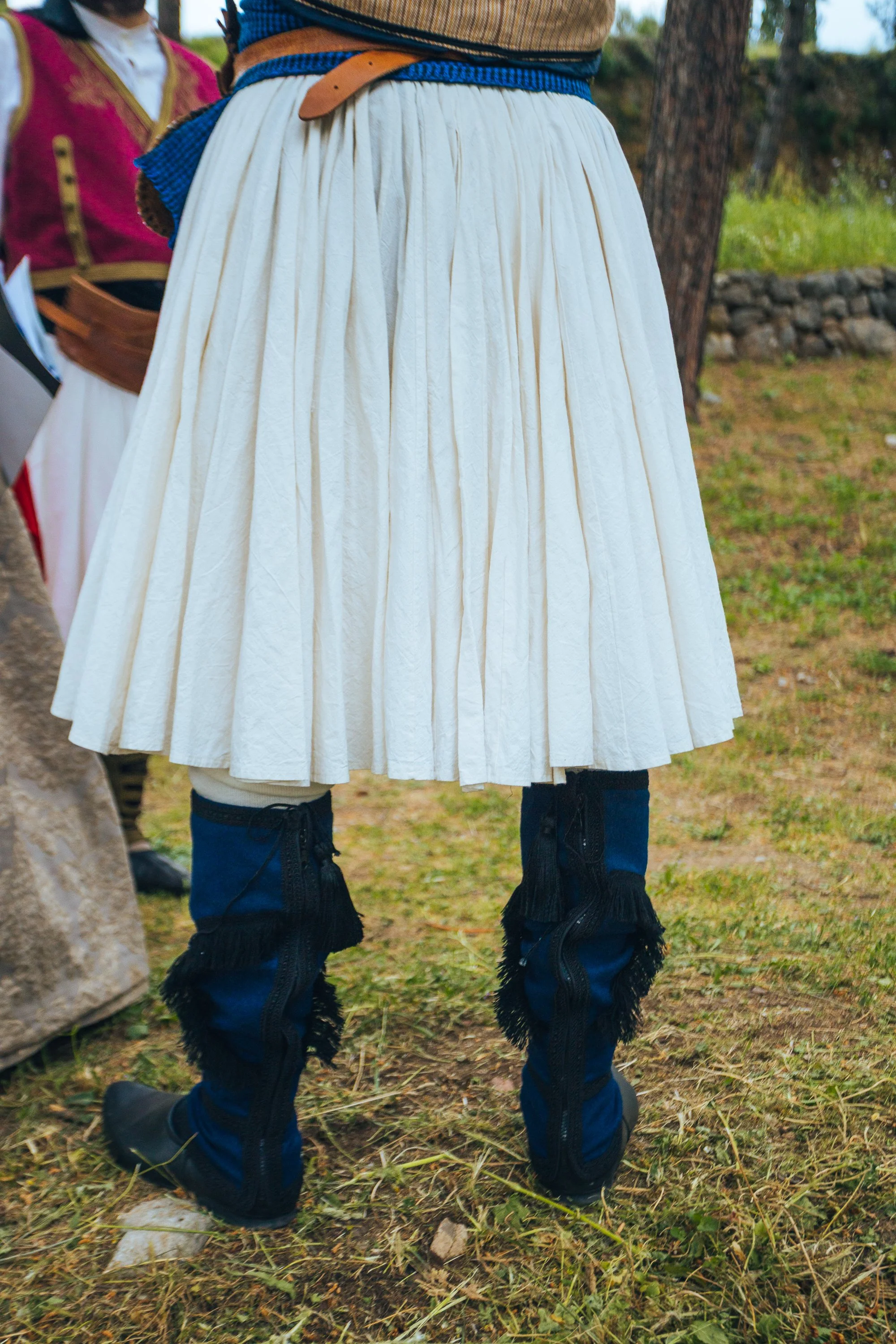
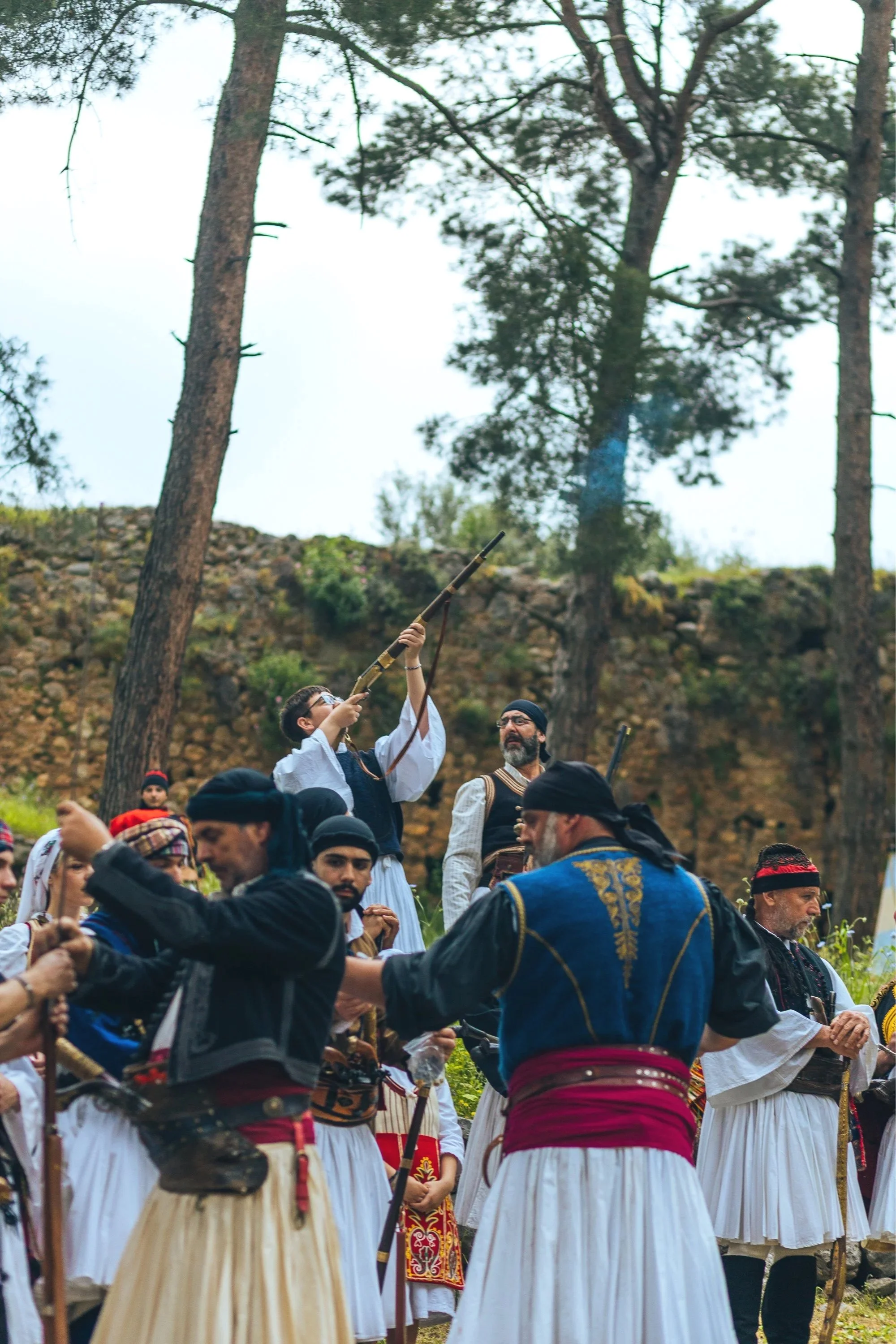
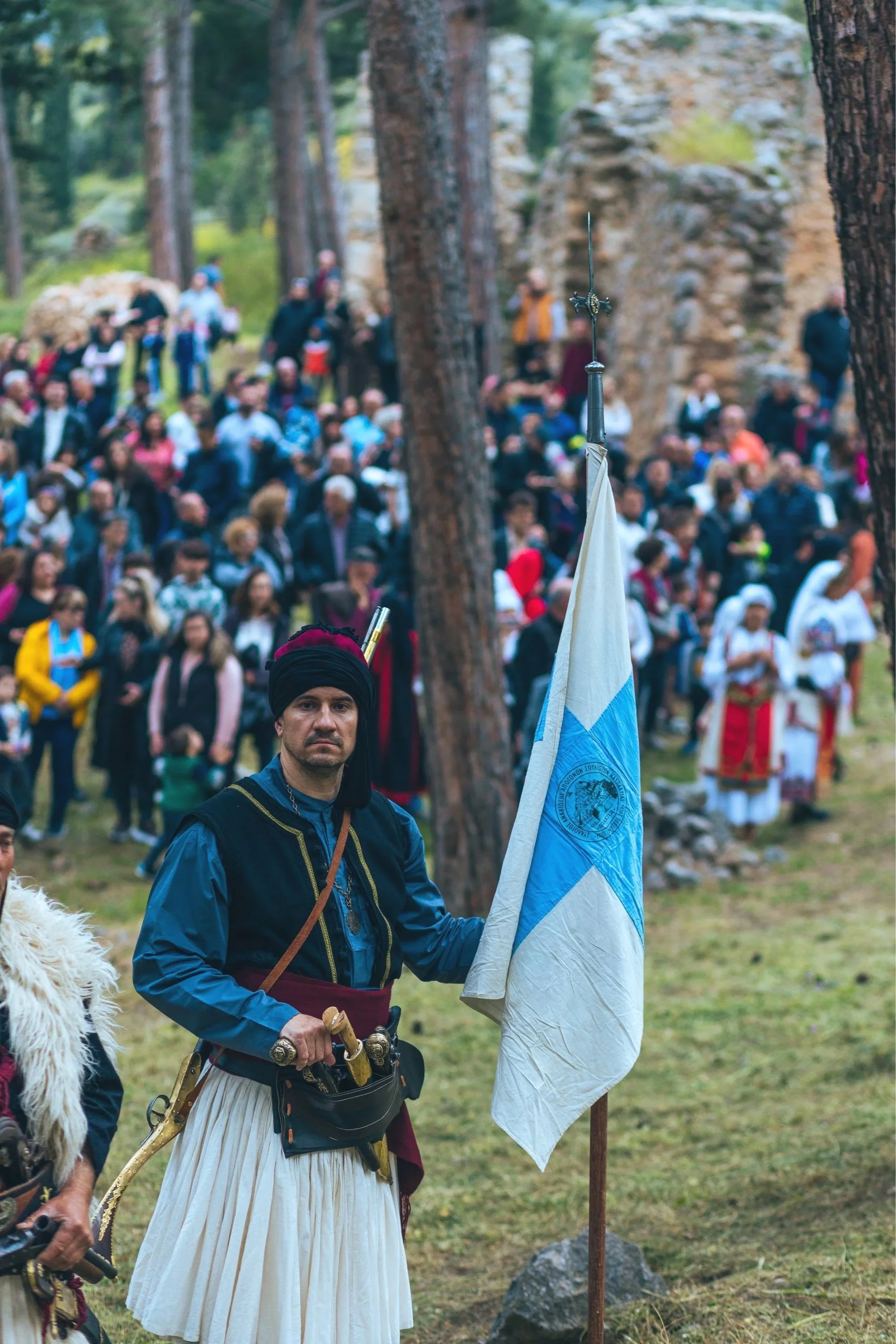
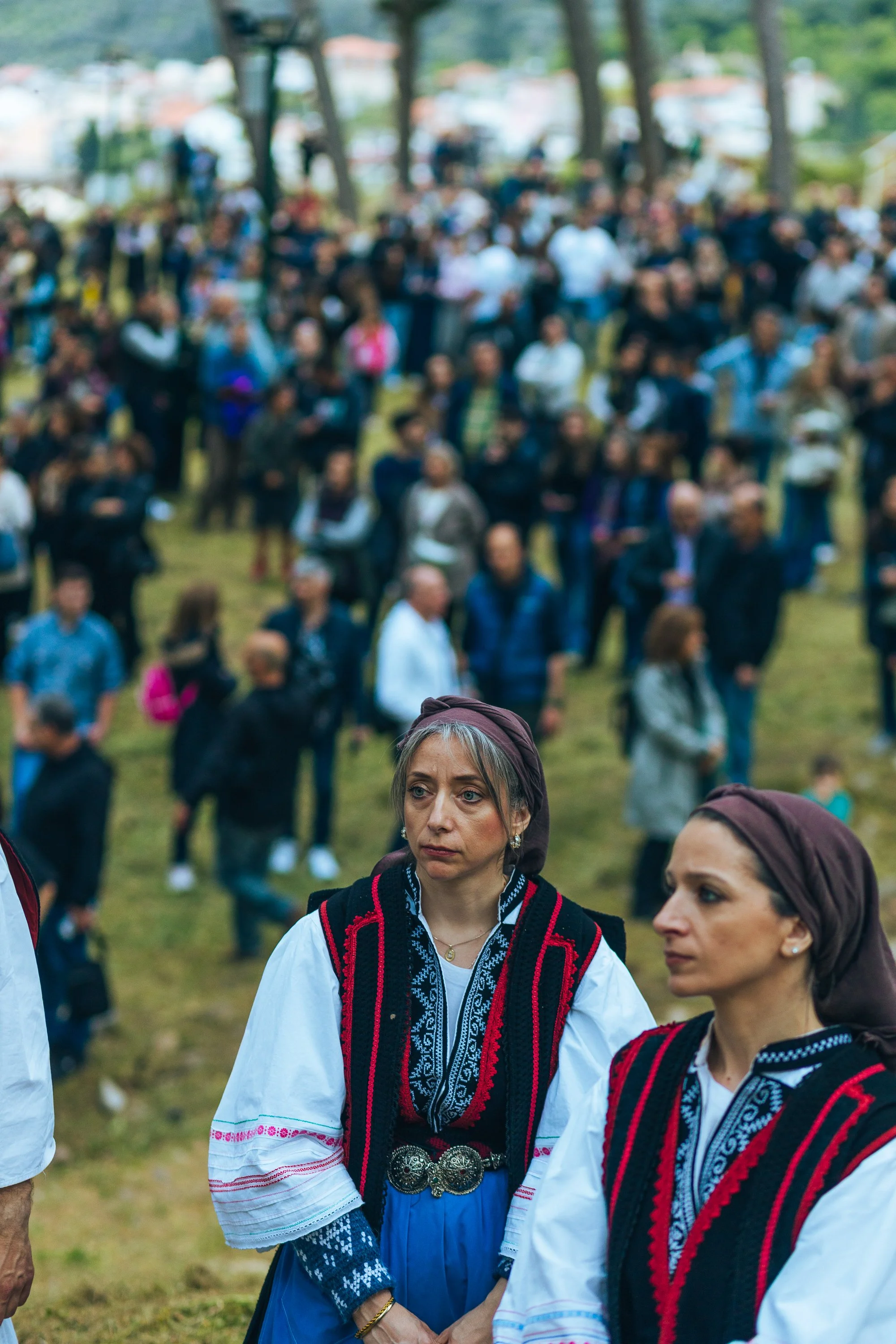
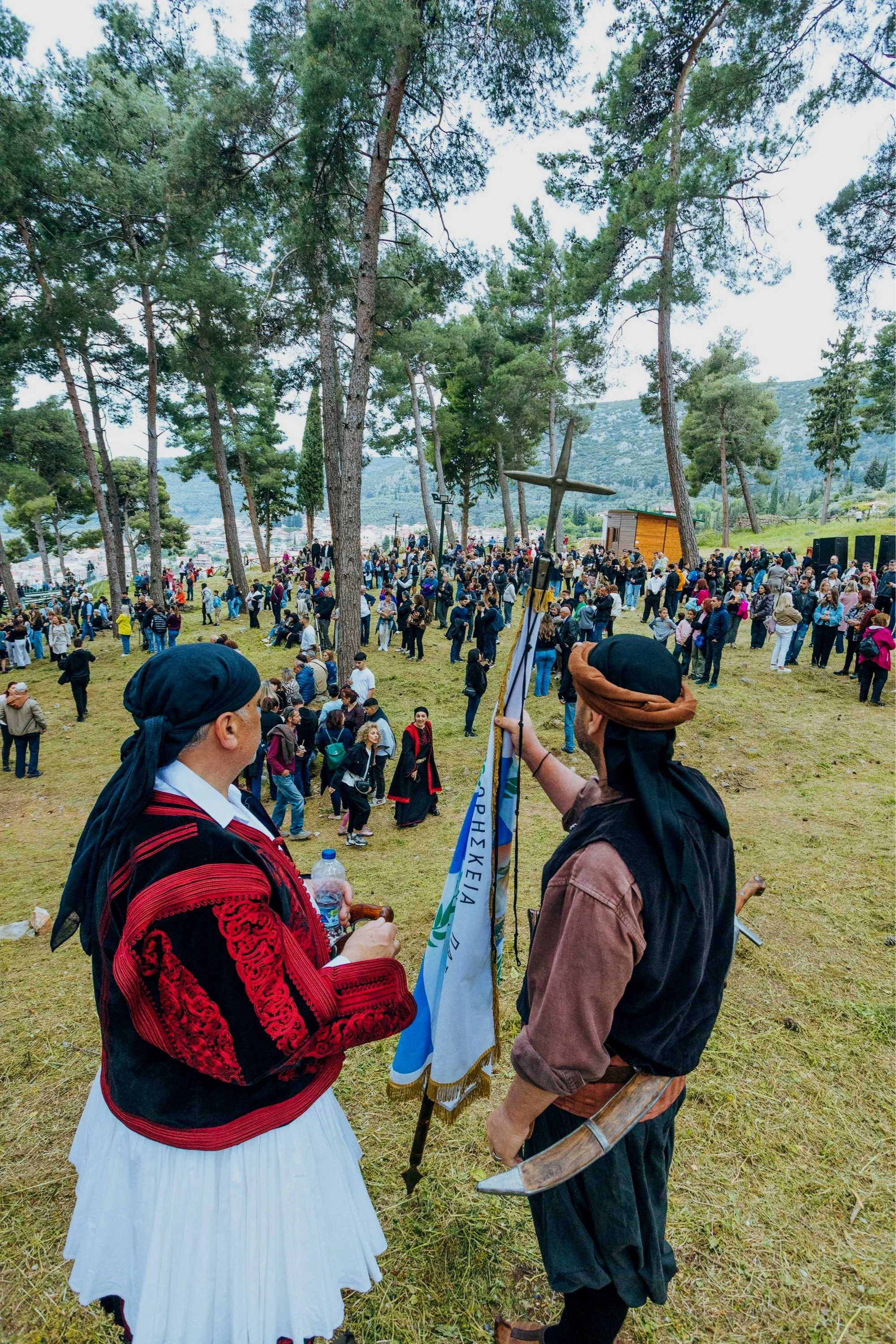
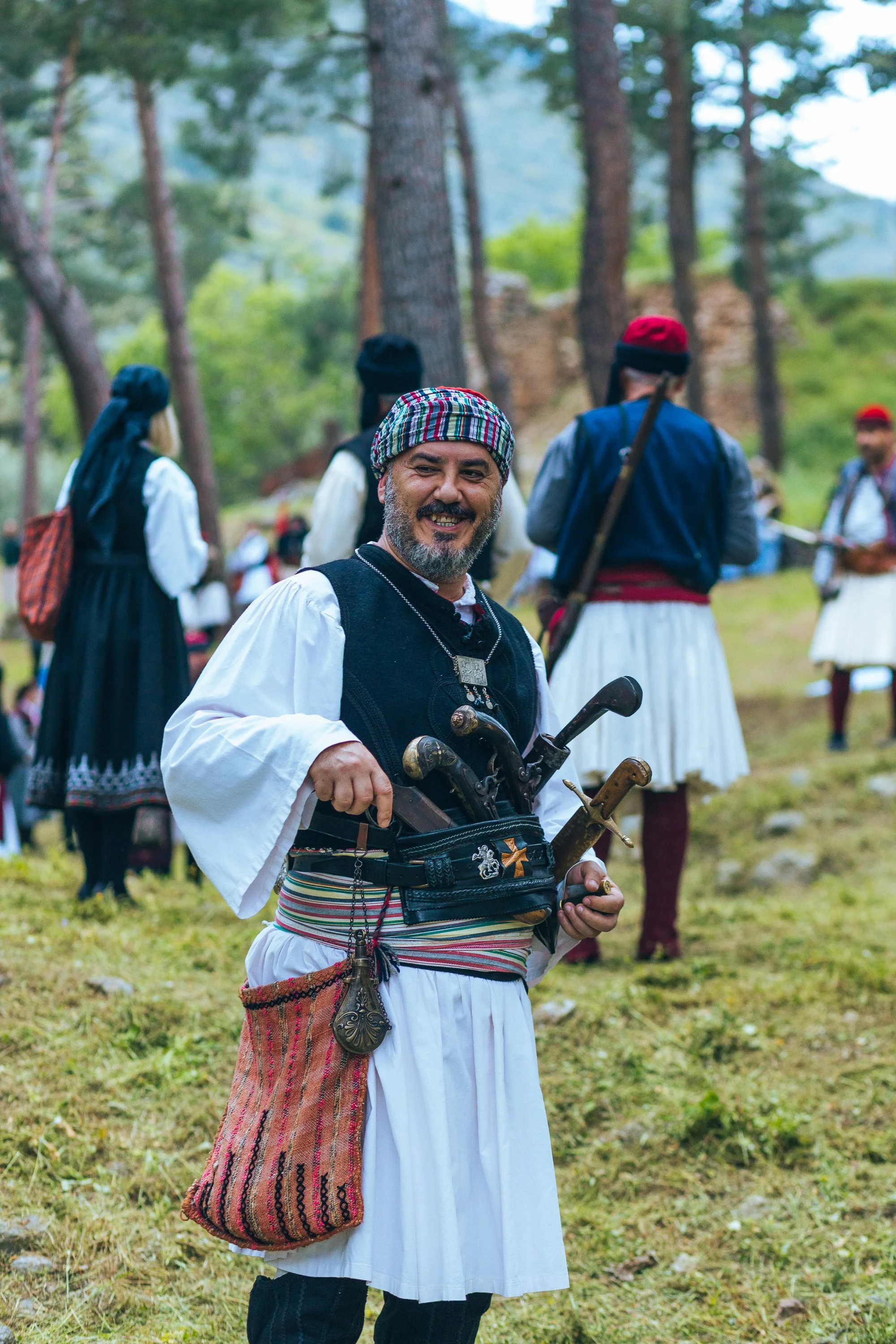
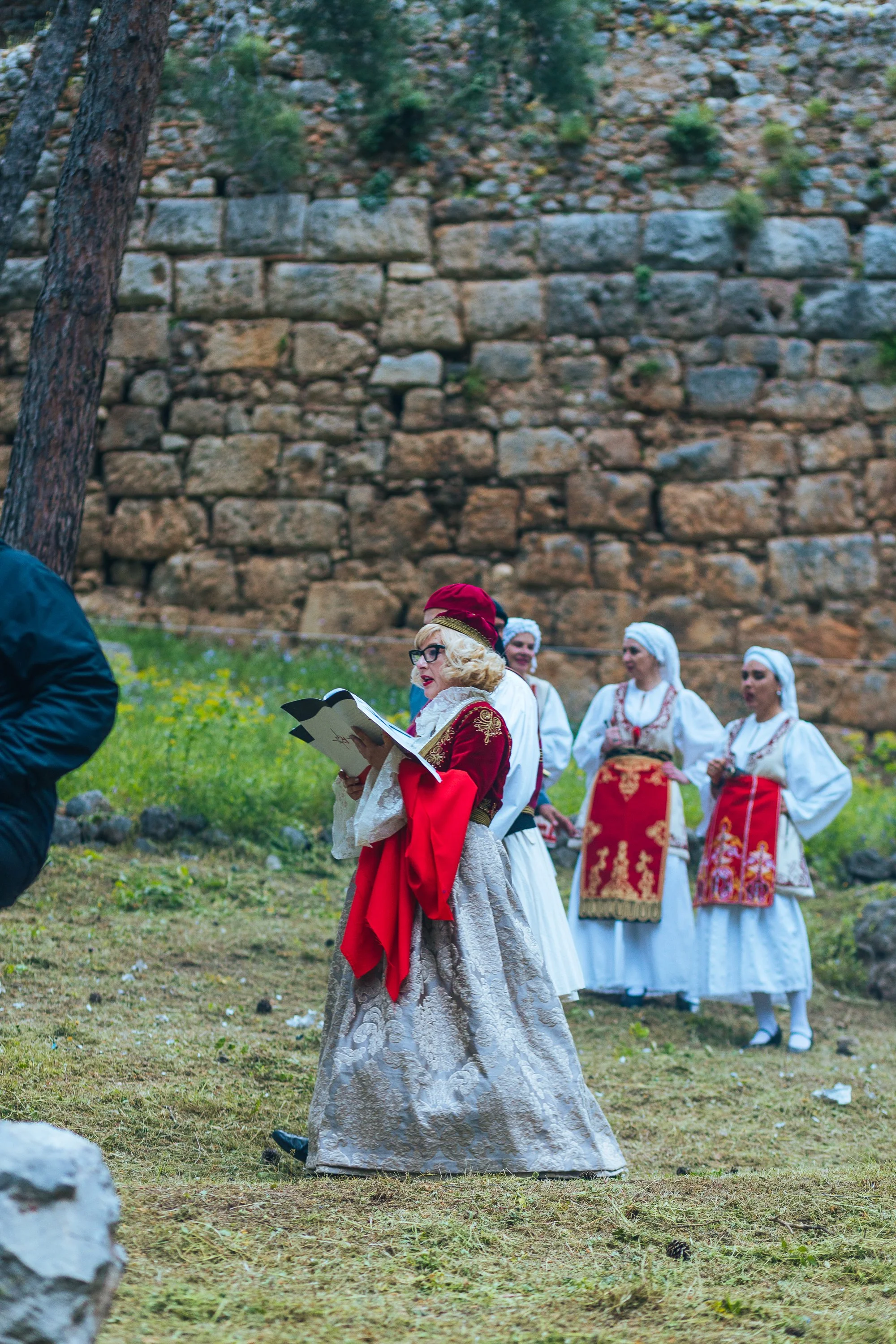
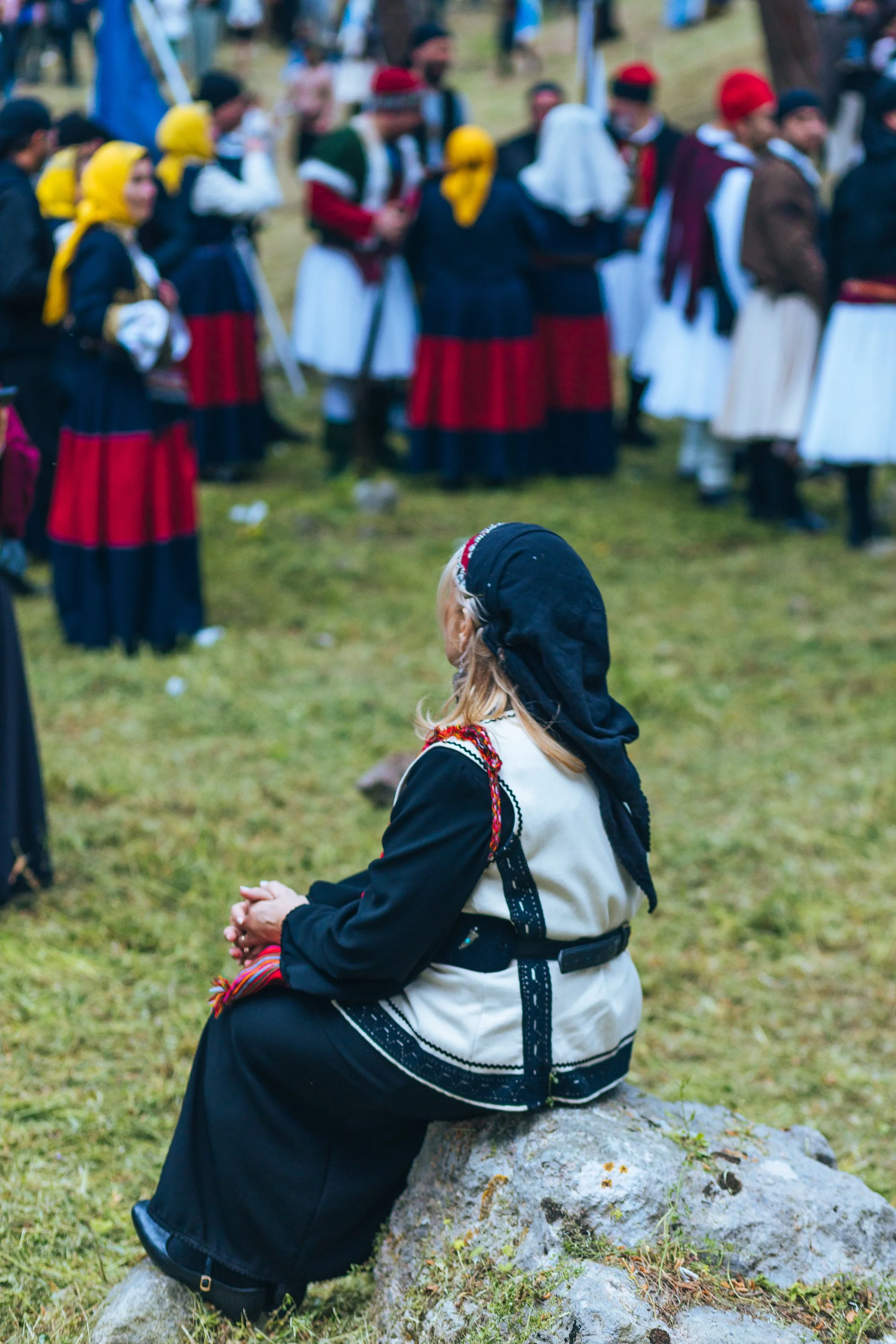
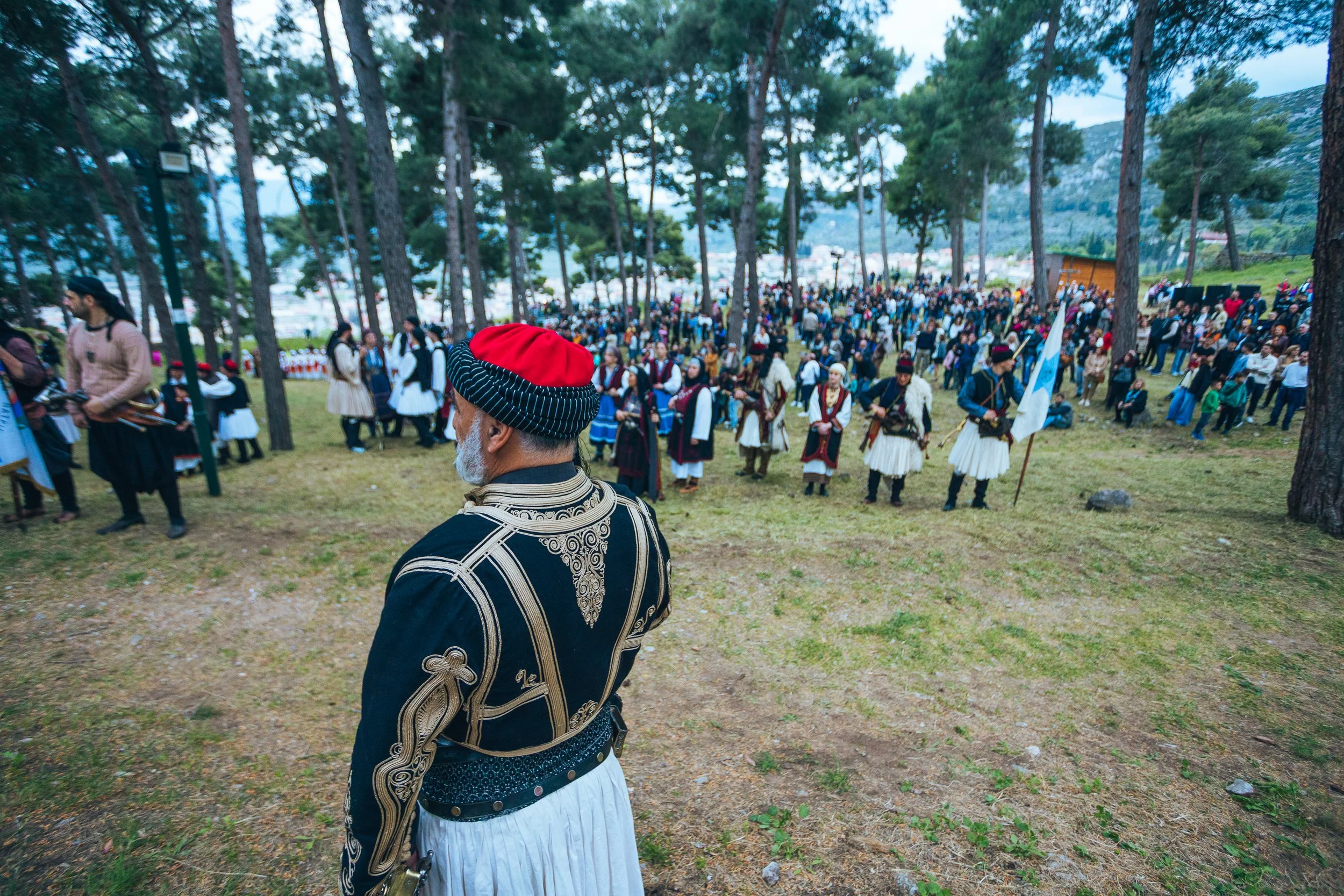
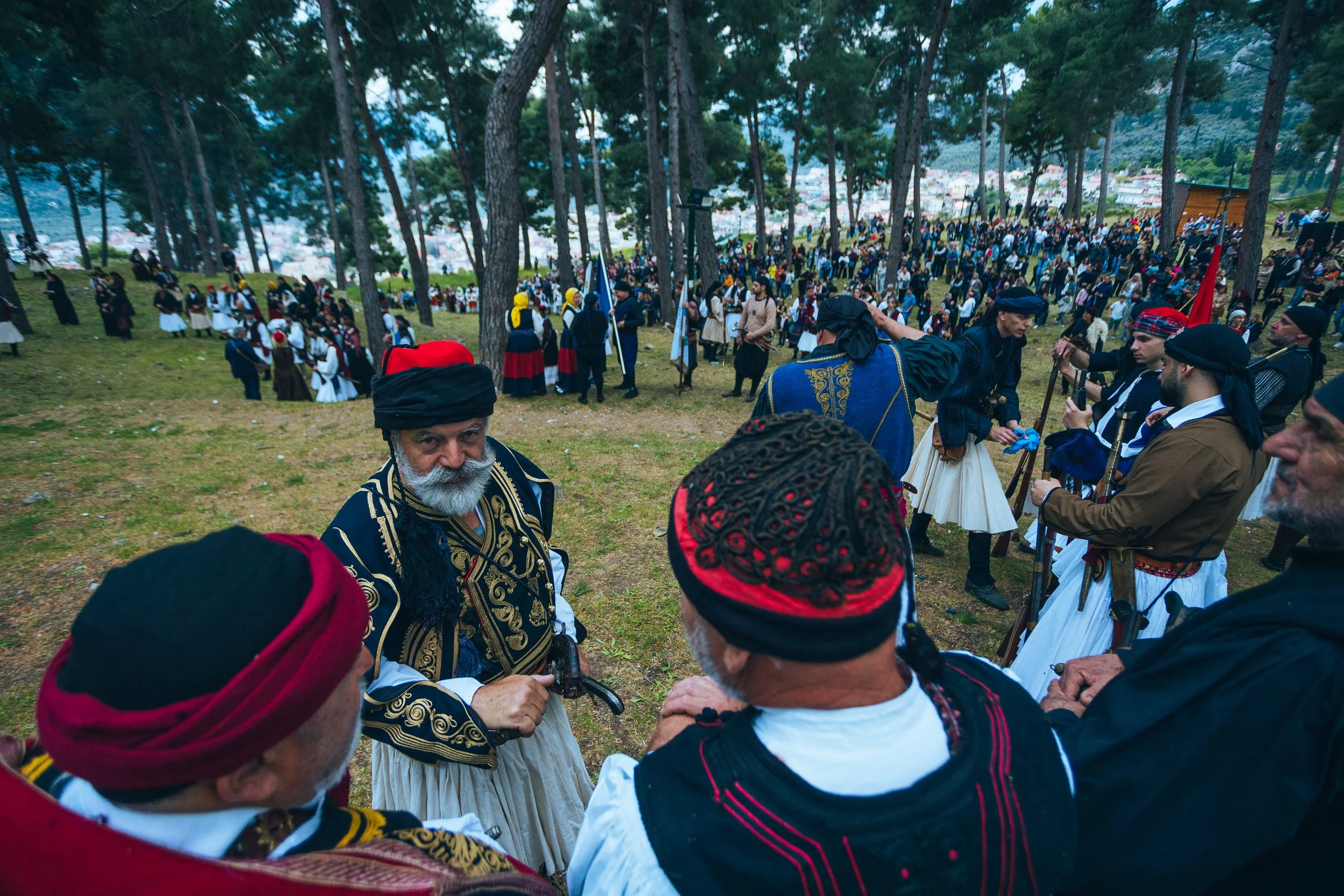
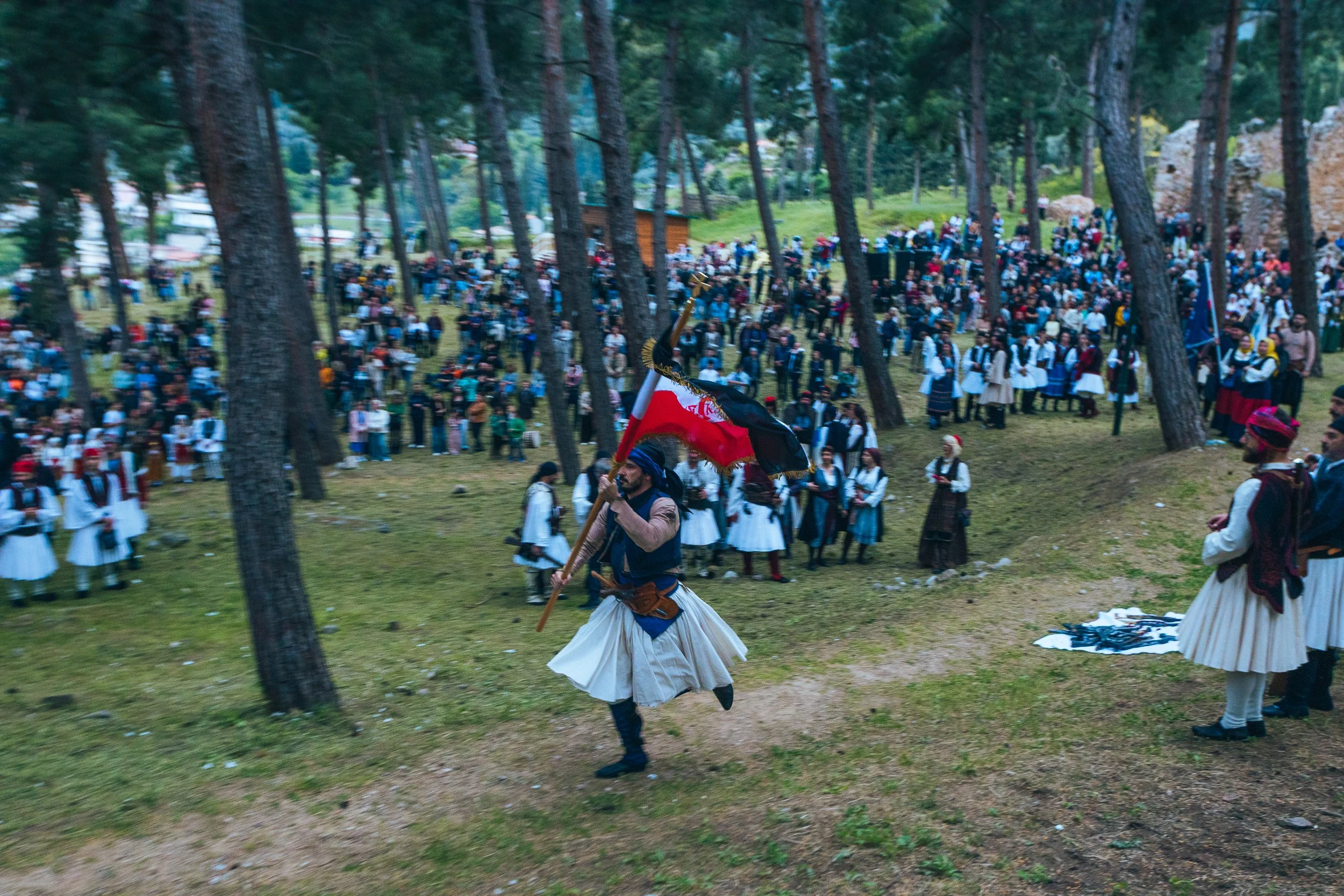
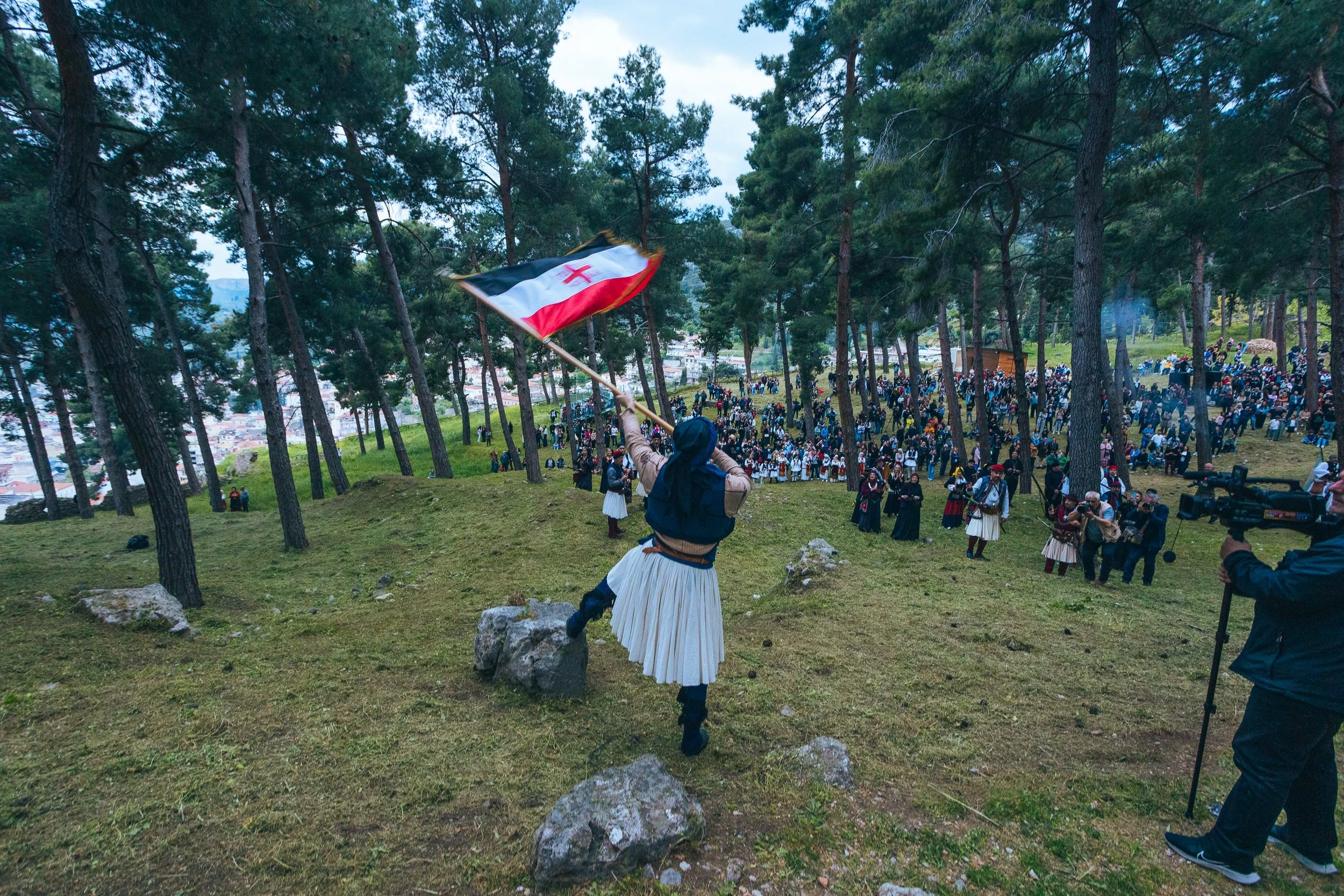
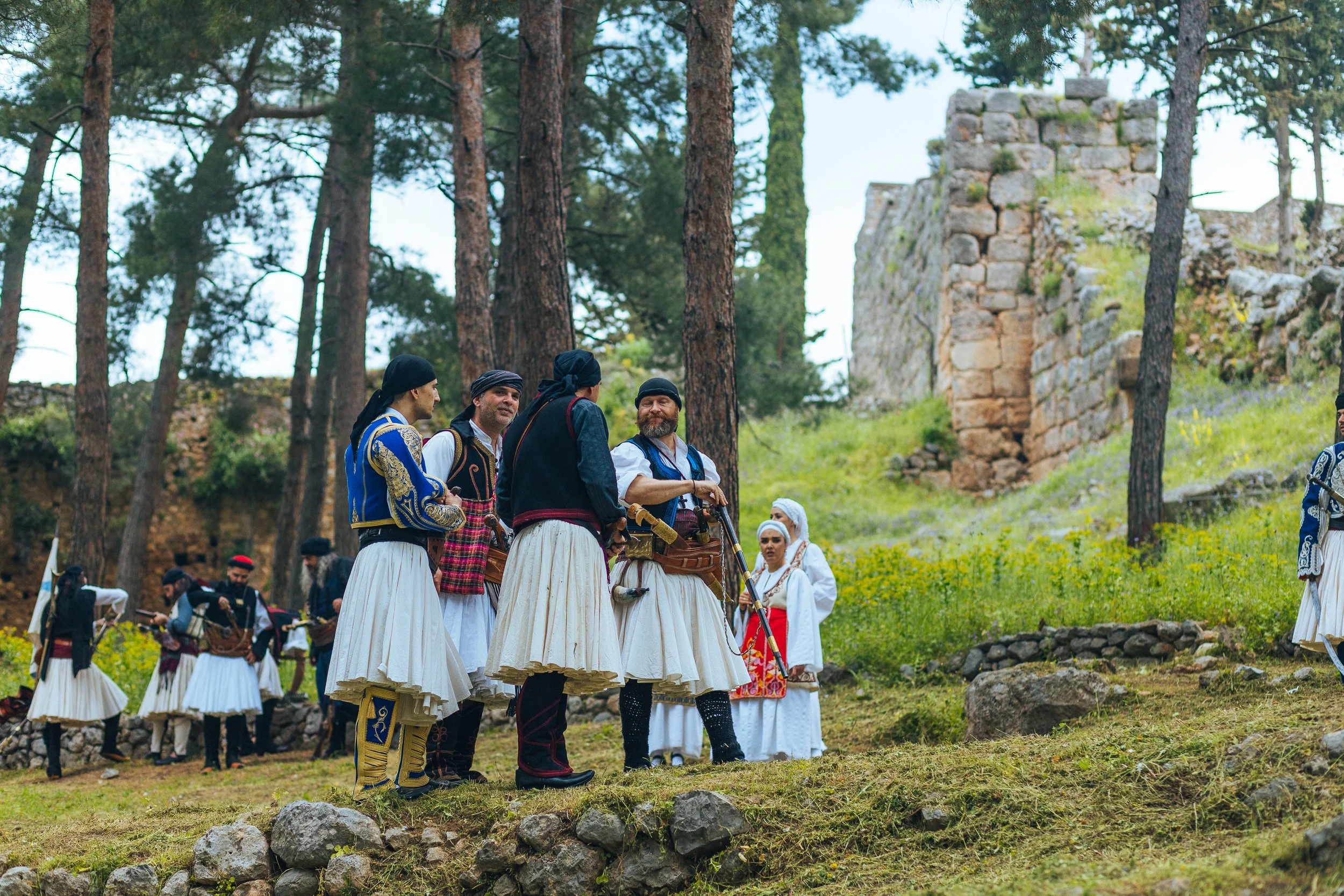
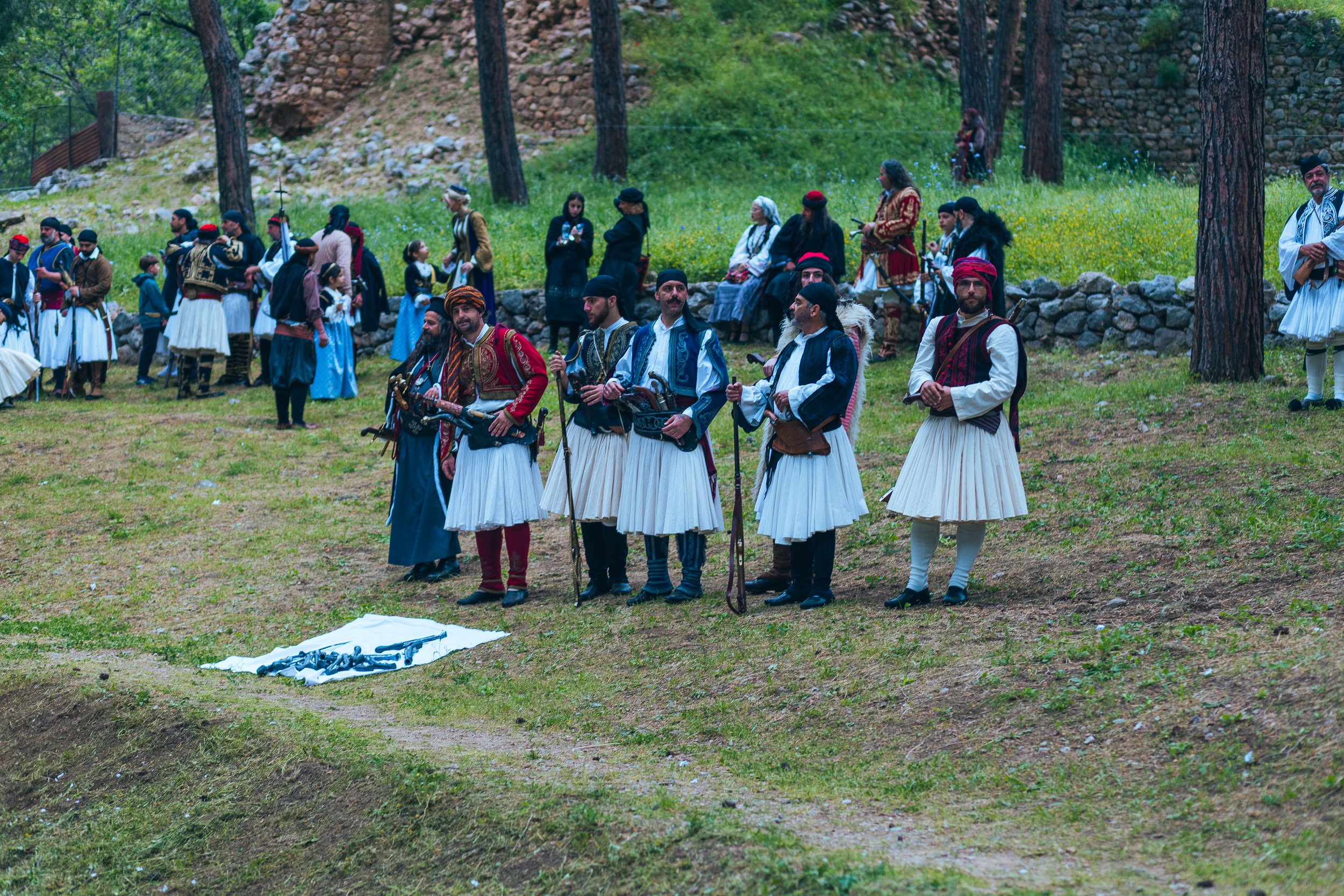
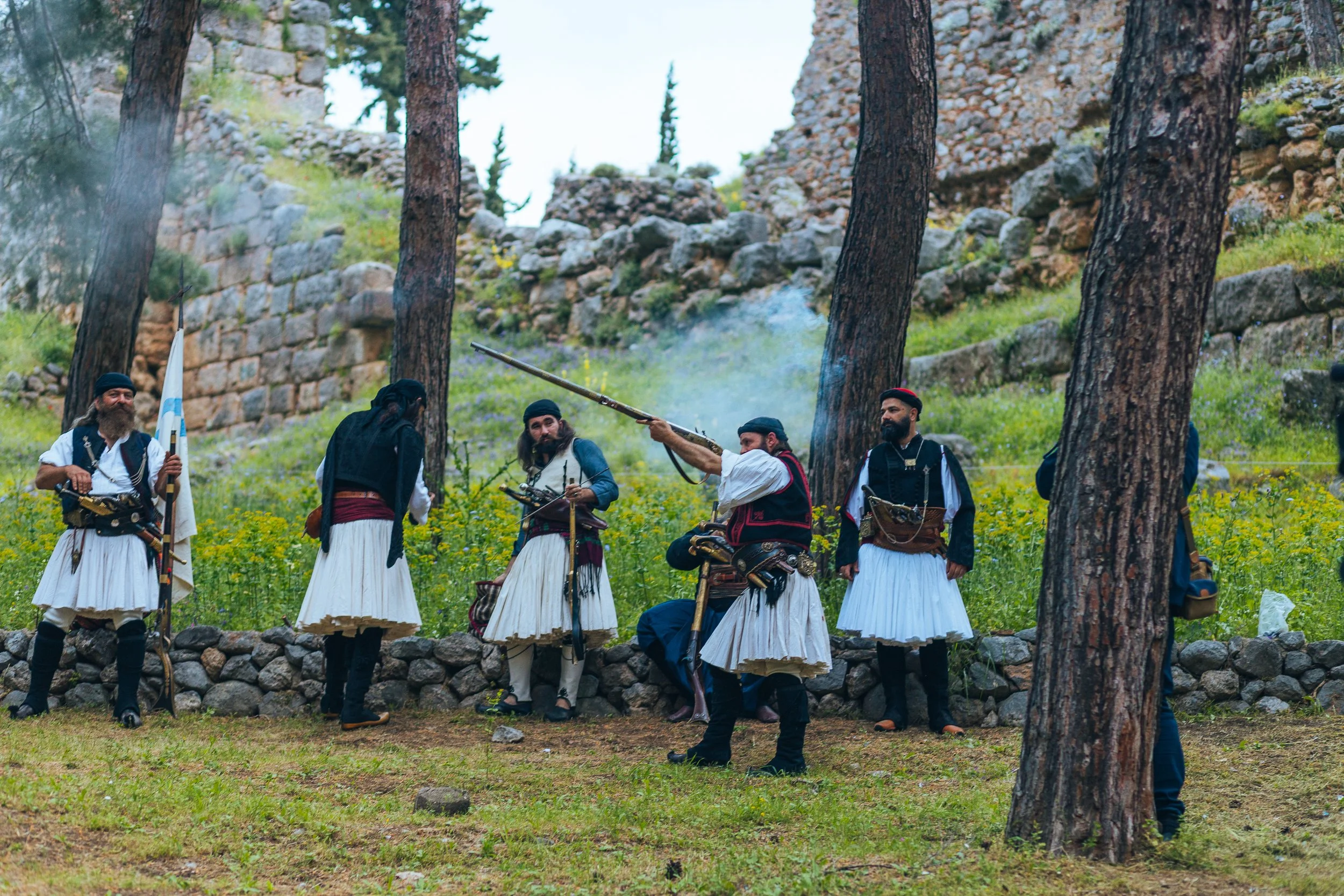
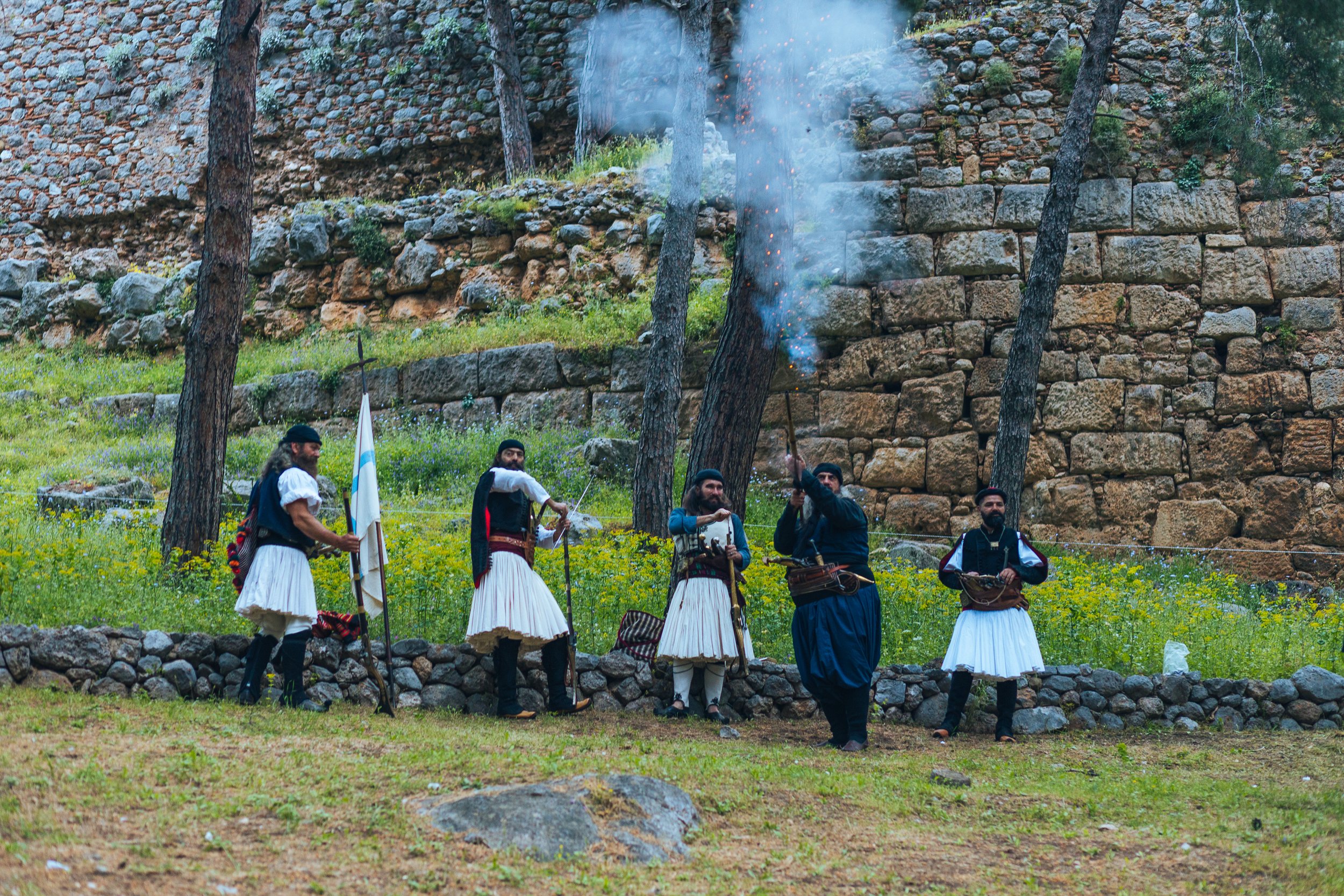
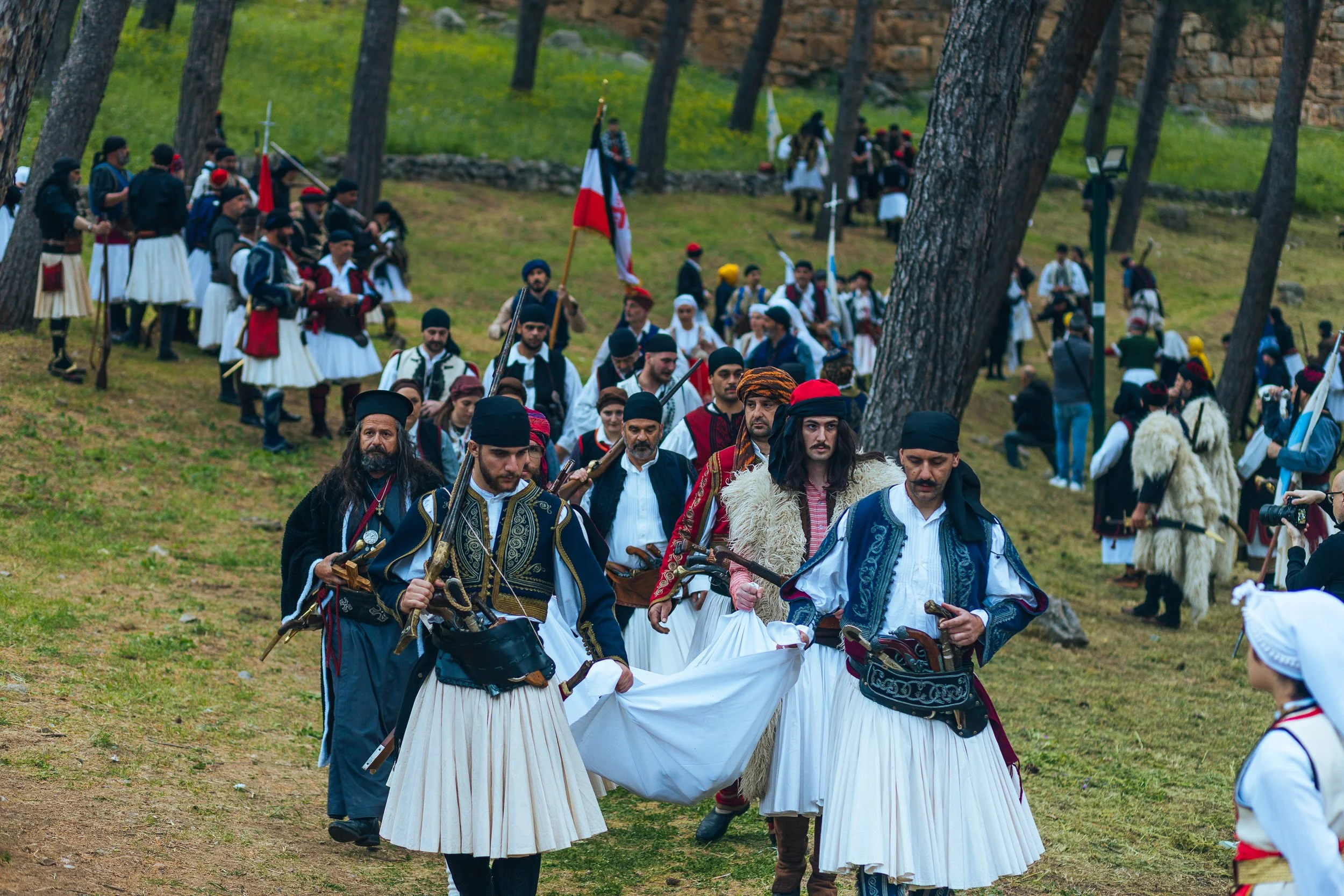
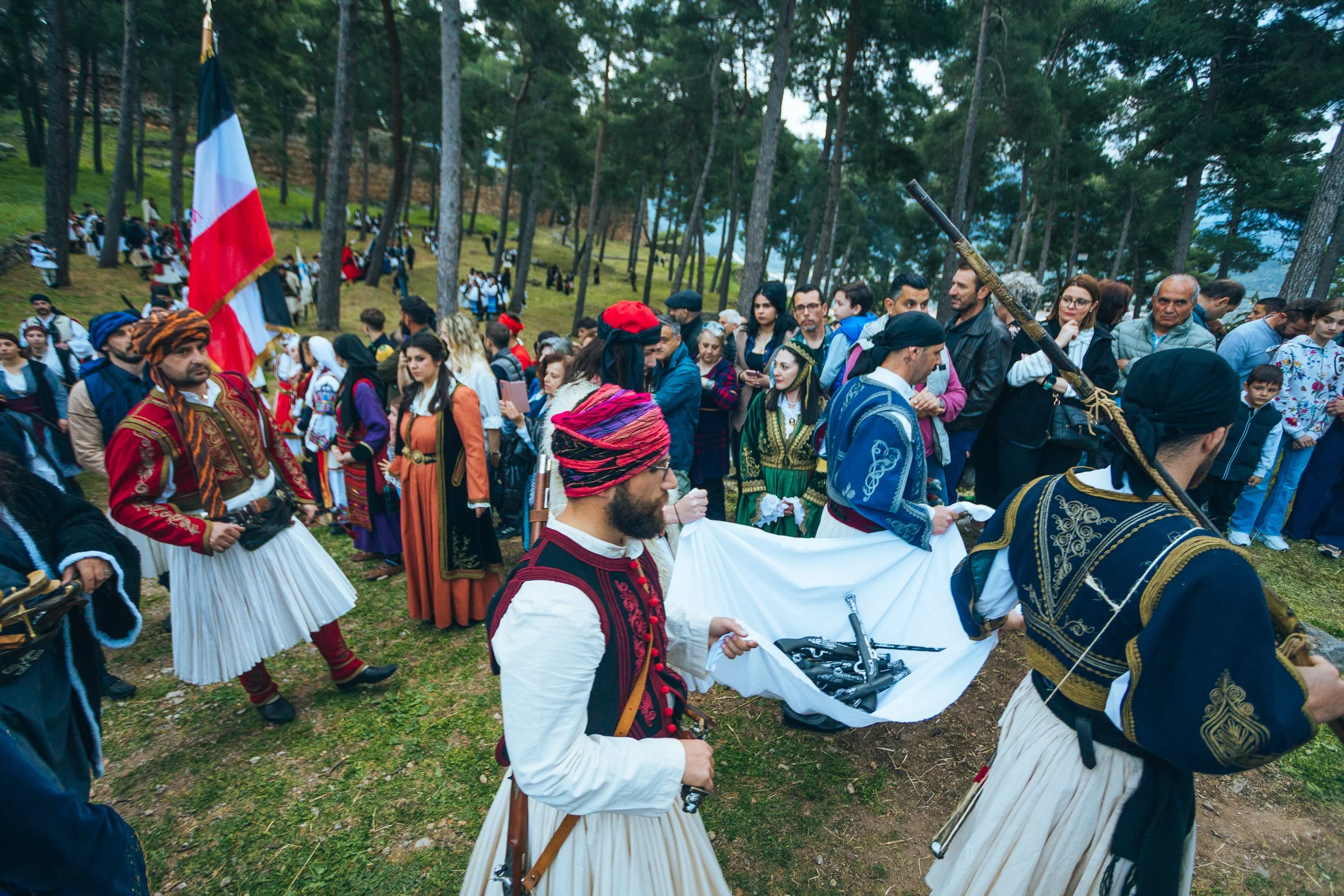
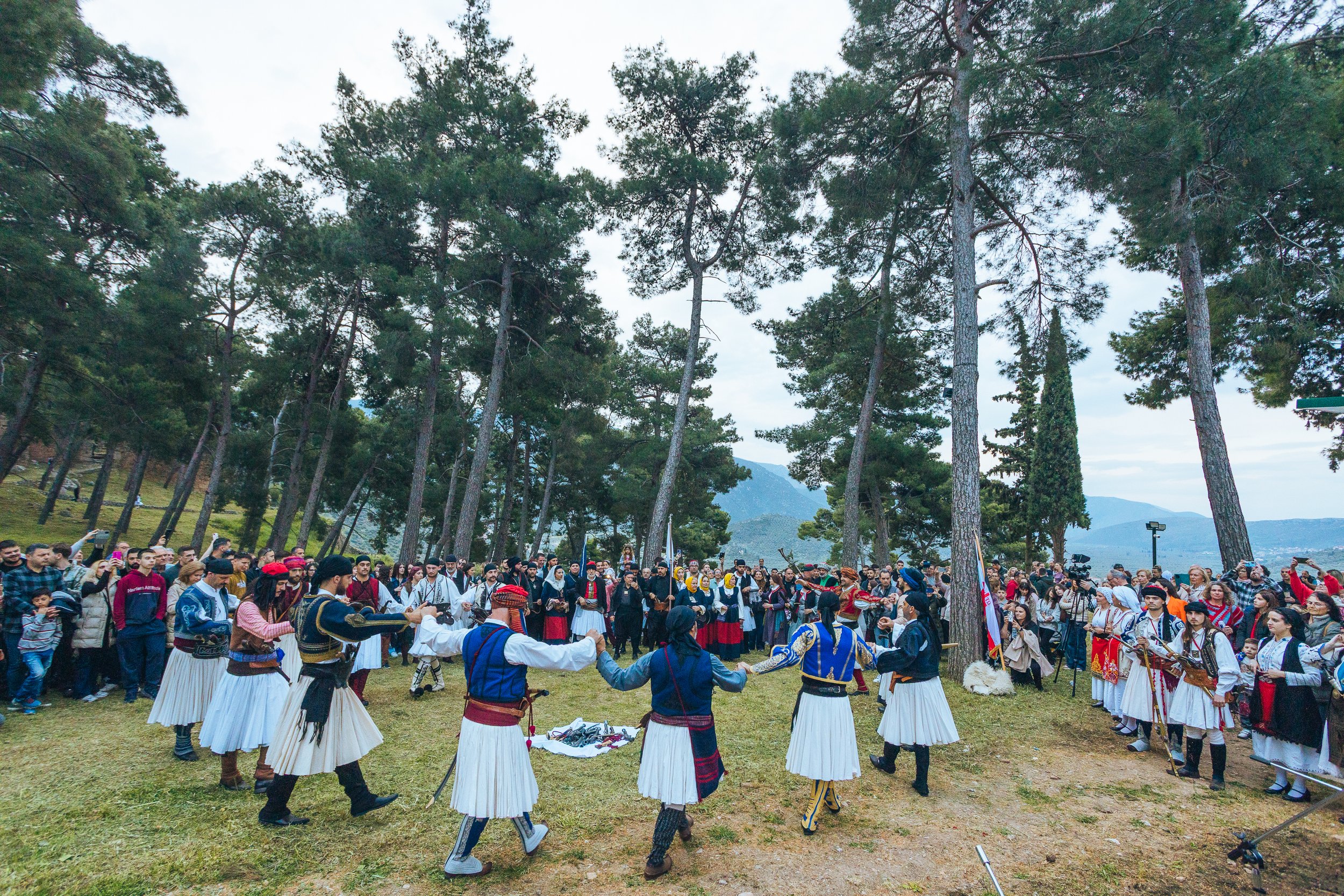
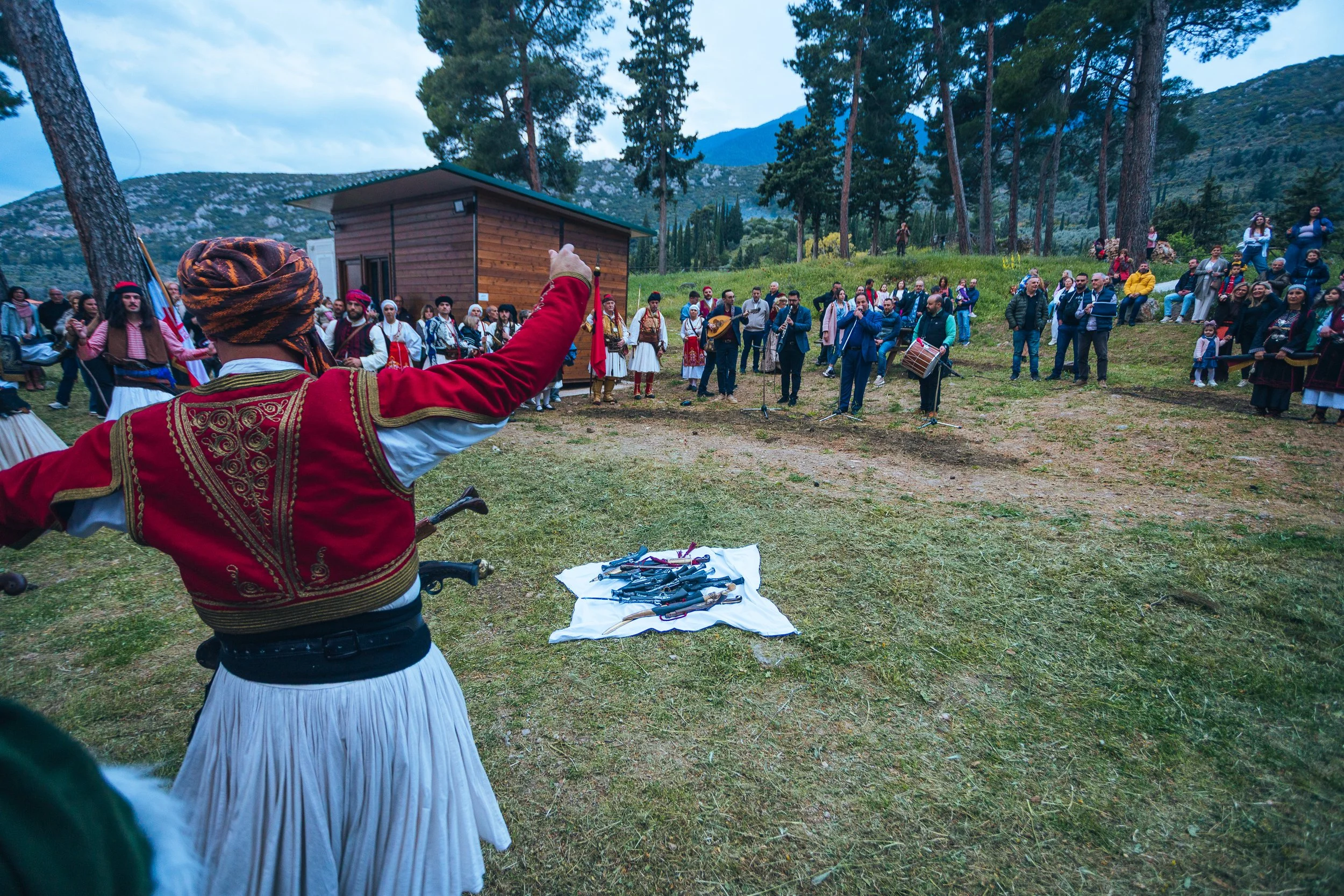
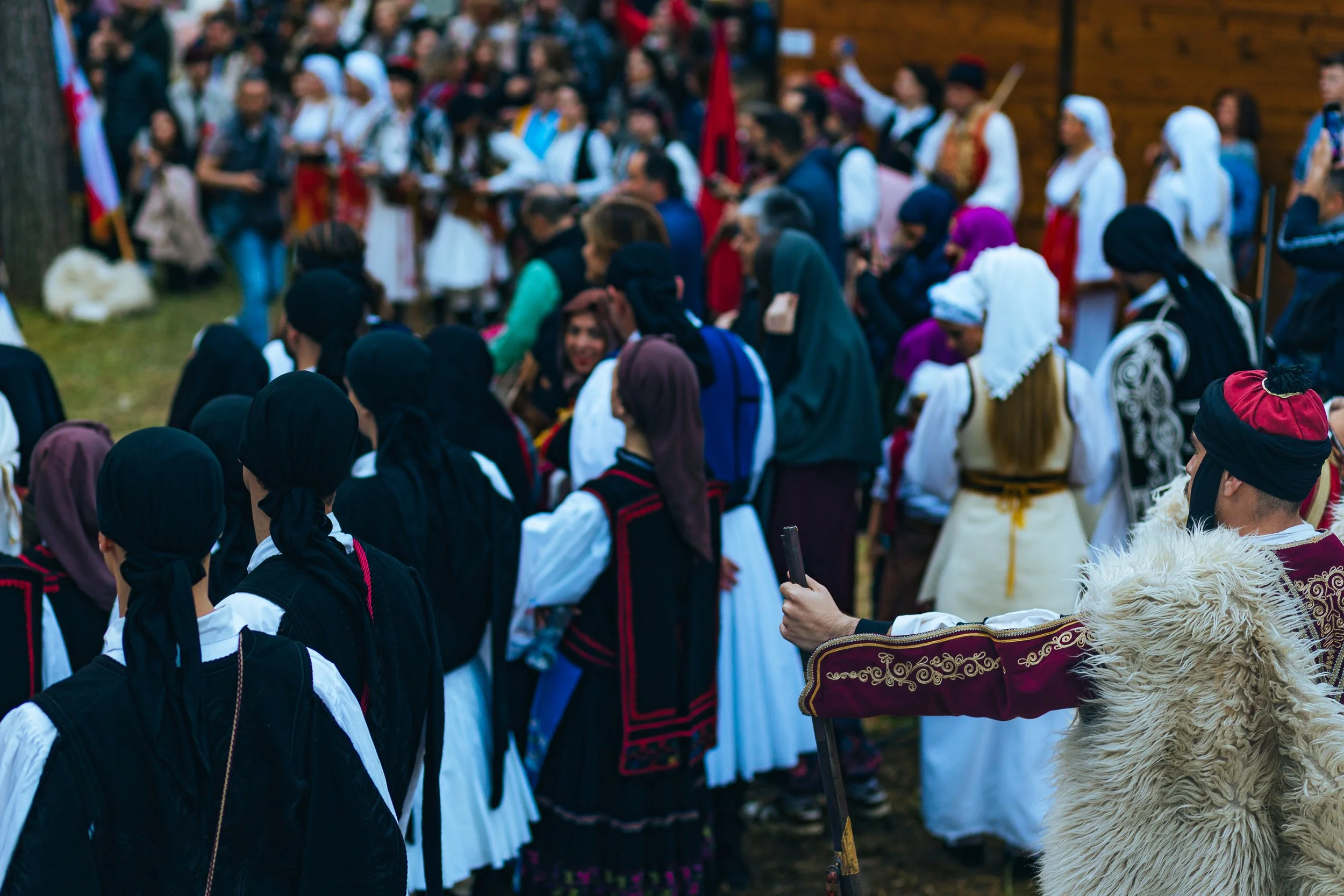
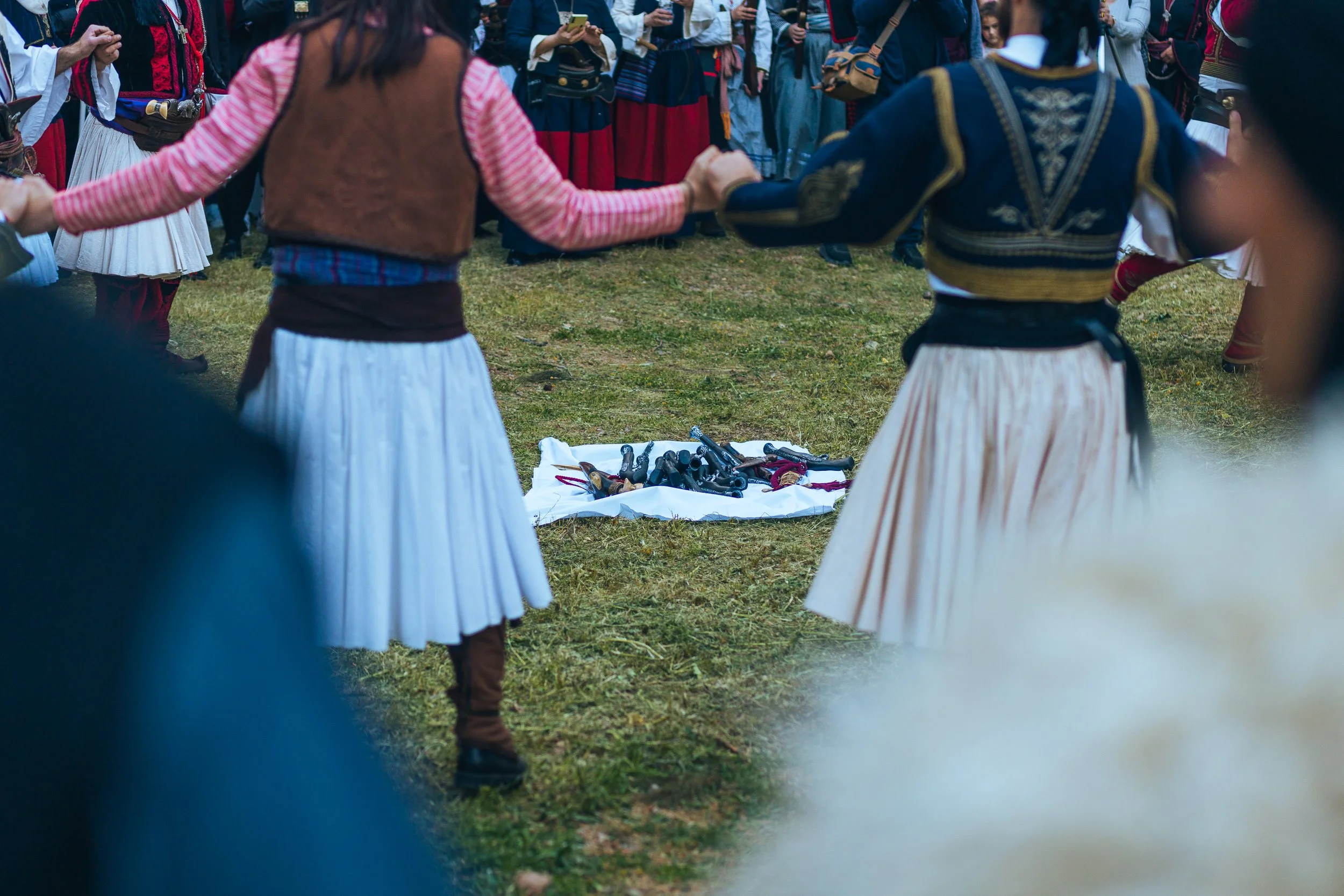
Every year, in Amfissa, the anniversary of the Siege of Salona* by the Greek fighters is celebrated. This is a significant anniversary, which was even more spectacular this year, as it marked the 205th anniversary of the historic event. A large crowd honored the occasion with their presence, and the reenactment at the castle was quite moving for all those in attendance.
History Notes
Τhe sequence of events
The Siege of Salona was a military engagement during the 1821 Revolution aimed at liberating Salona*. It lasted from the start of the Revolution until April 10 of that same year, 1821.
The commander (a klepht and later a chieftain of Central Greece) of the province of Salona was Panourgias, who, initiated into the Philiki (or Filiki) Etaireia, when Alis was besieged (1820) and alerted by a letter from Papaflessas, fled from Ioannina (where he had been imprisoned for three years) and came to Salona. On March 24, when he learned that Achaea had revolted, Panourgias was with his 60 armatoi men (highly trained and disciplined, with the appearance of a regular military unit) at the Monastery of Prophet Elias, an hour and a half outside Salona. There he summoned the leaders of the town and the villages and held a general assembly in Galaxidi, at which it was unanimously decided to attack the Turks. At that meeting, following an invitation from I. Papadiamantopoulos (an envoy of P.P. Germanos), Odysseas Androutsos, Giannis Gouras, Bishop Isaiah of Salona, and others attended. Panourgias received, upon presentation of a receipt, 14,000 grosia to cover the costs of recruiting fighters. He ordered his son-in-law and deputy commander, Thanasis Manikas, to recruit everyone in the Vlach villages who was capable of bearing arms. He also sent his cousin, Yannis Gouras, to Agios Georgios to recruit and to coordinate with the residents of Galaxidi.
After making their plans, they set out on the night of March 26, reached Salona by dawn, and laid siege to the fortress under the command of Panourgia. The Turks, who had suspected the Greek uprising, had anticipated it and barricaded themselves inside the fortress with all the women and children, as well as the refugees from Vostitsa who had fled there from the Peloponnese. Among them were 600 armed men.
As the Turks retreated to take refuge in the castle, one of their snipers, entrenched in the Turkish baths (hamam), fired a shot that struck the unfortunate Stamatis Trakas in the forehead. He was the first casualty in the first official battle of the rebellious Rumeli. His father, Theodoros Trakas, seeing his son dead, clenched his heart and said to the soldiers: “There can be no wedding without a sacrifice.”
The Turks were strong, but the Greeks attacked with such ferocity that they seized the water supplies on the very first day. Forced by a lack of water, the besieged made a sortie on April 8 to seize a nearby spring, but they failed and 13 were killed, including the valiant Haidas.
After a relentless siege, the Turks, deprived of food and water, were forced to surrender on April 10, after 14 days, having previously agreed that they would not be harmed. They came out and surrendered their weapons to Panourgias, who received them while seated in front of the Gate. Those who wished to and felt safe remained in their homes, while the rest scattered to the villages.
The fortress of Salona was the first to be captured by the Greeks during the Revolution of 1821.**
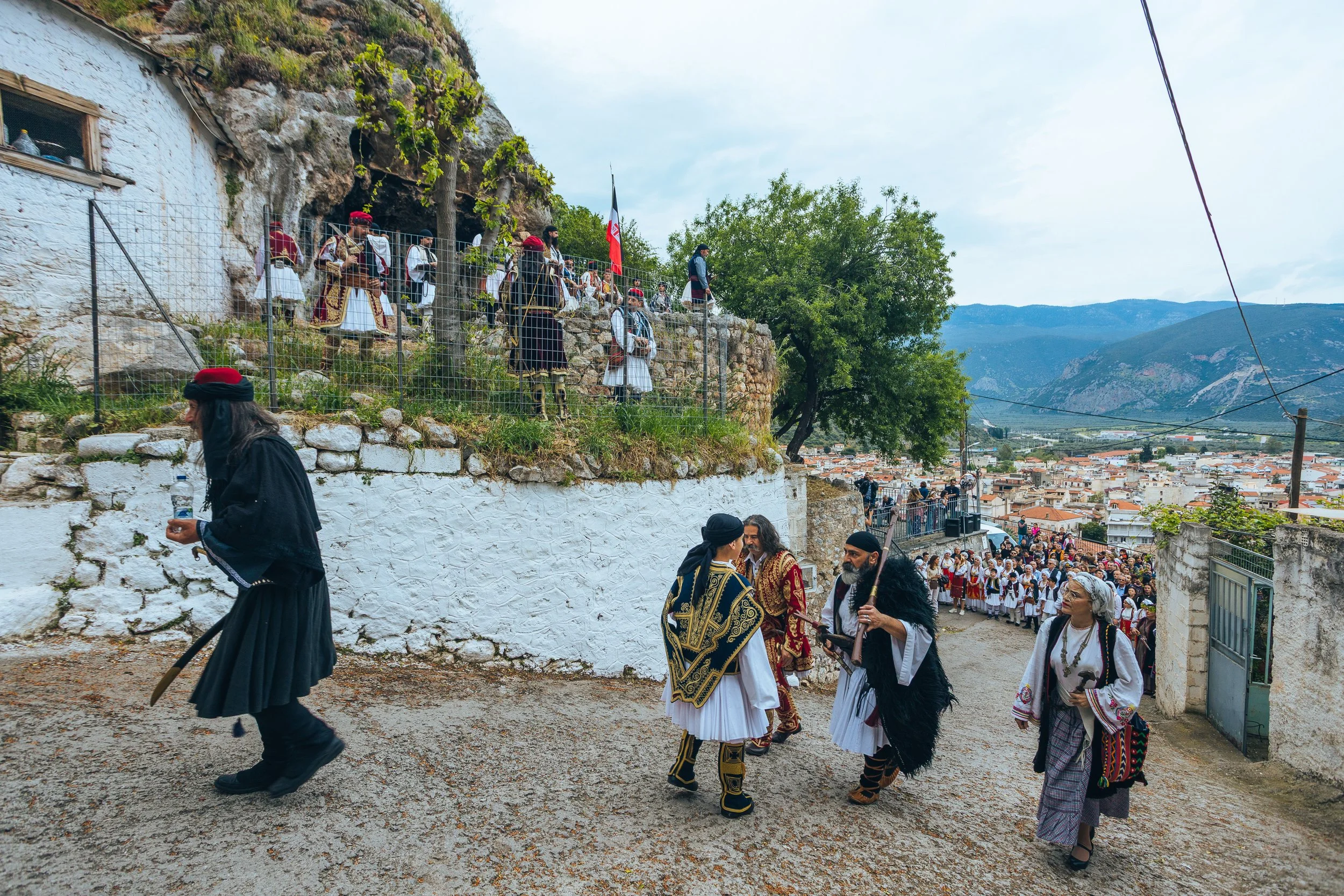
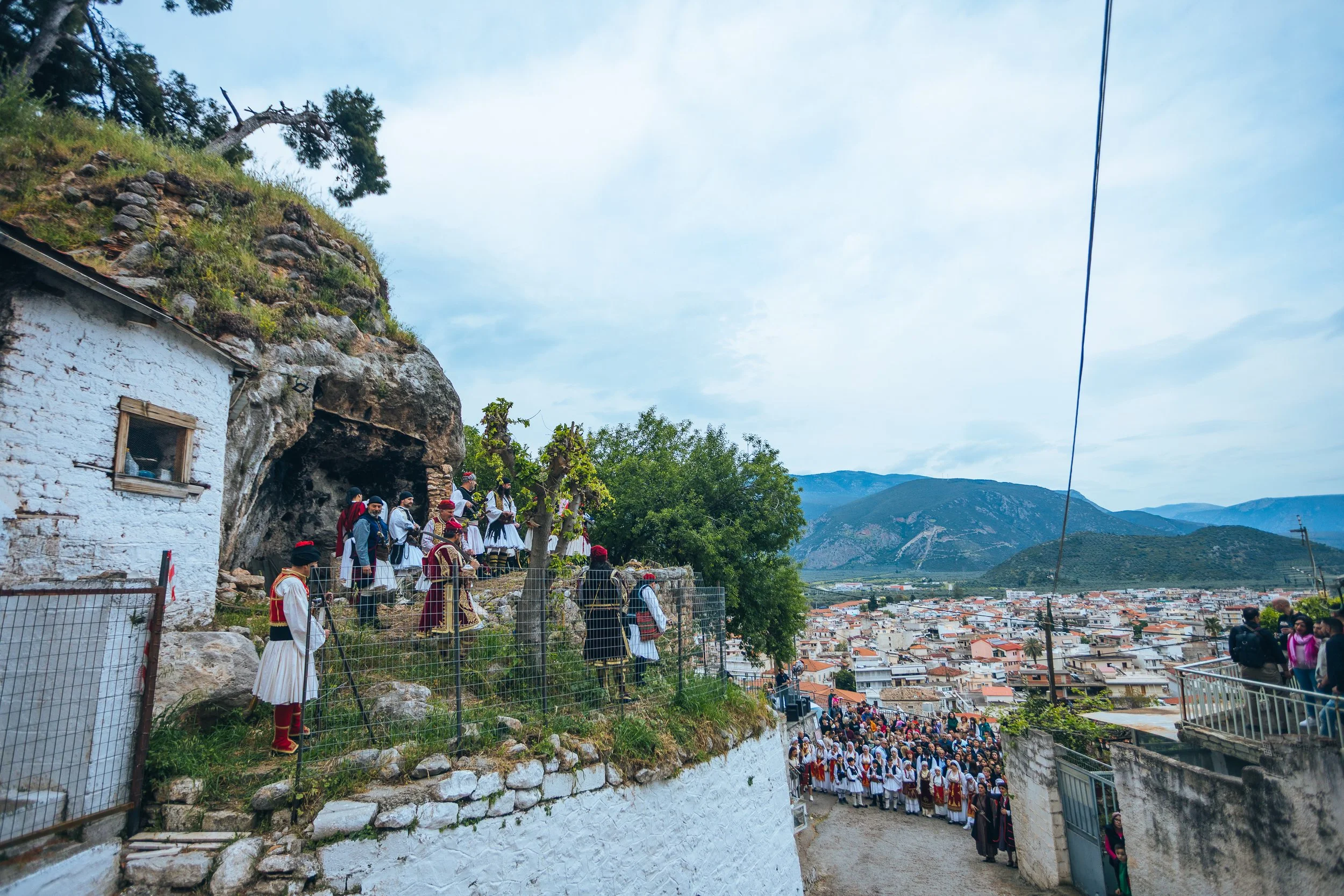
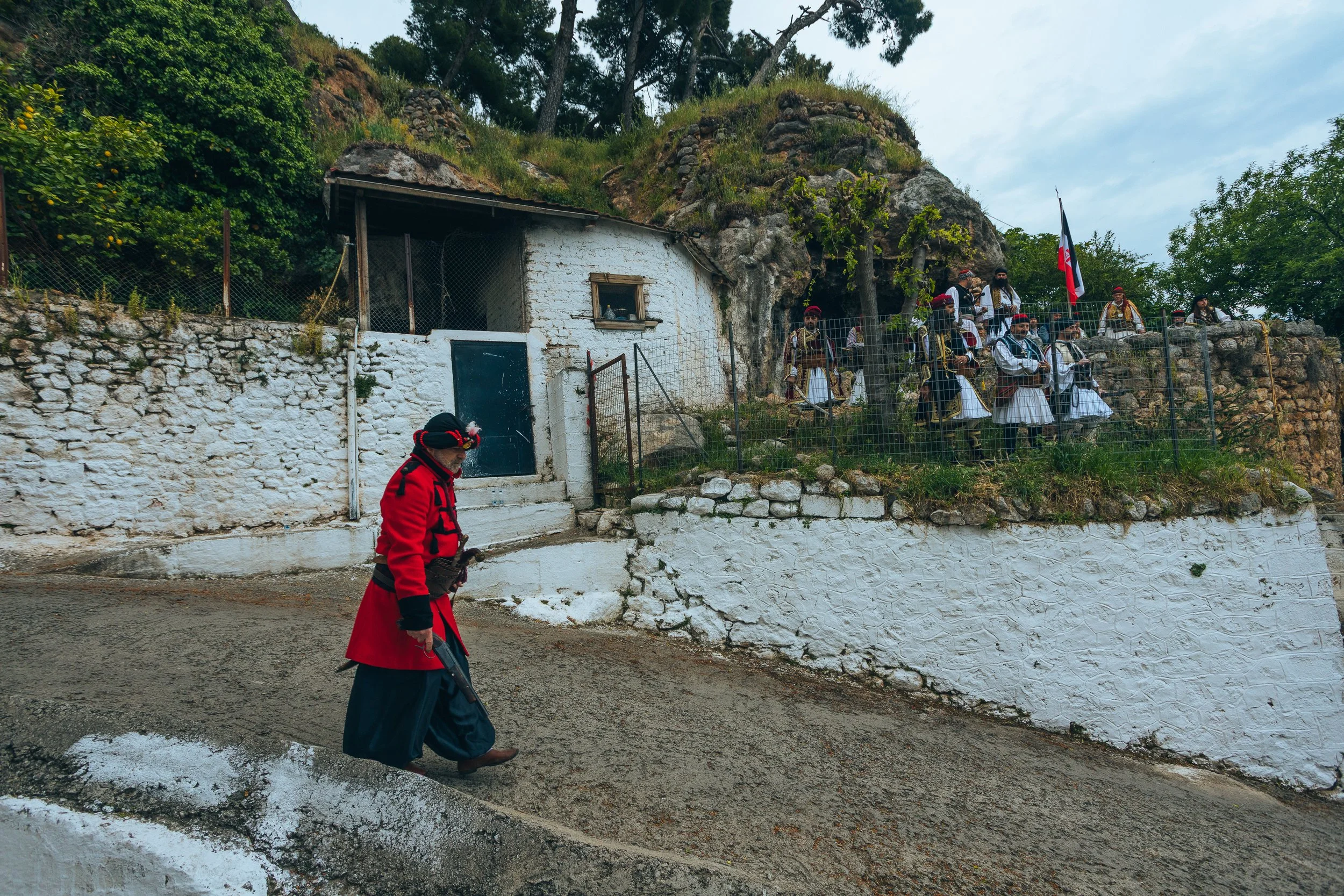
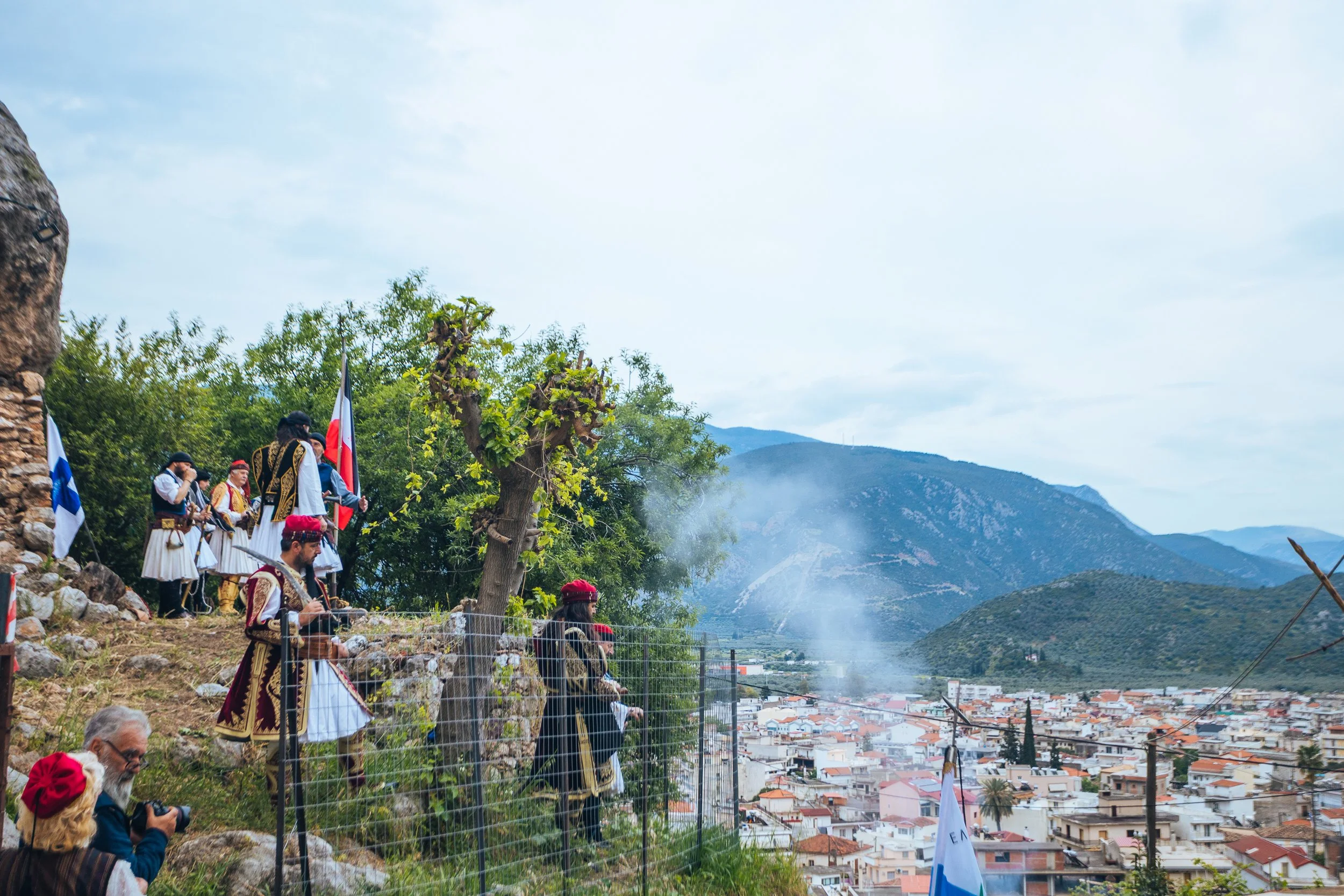
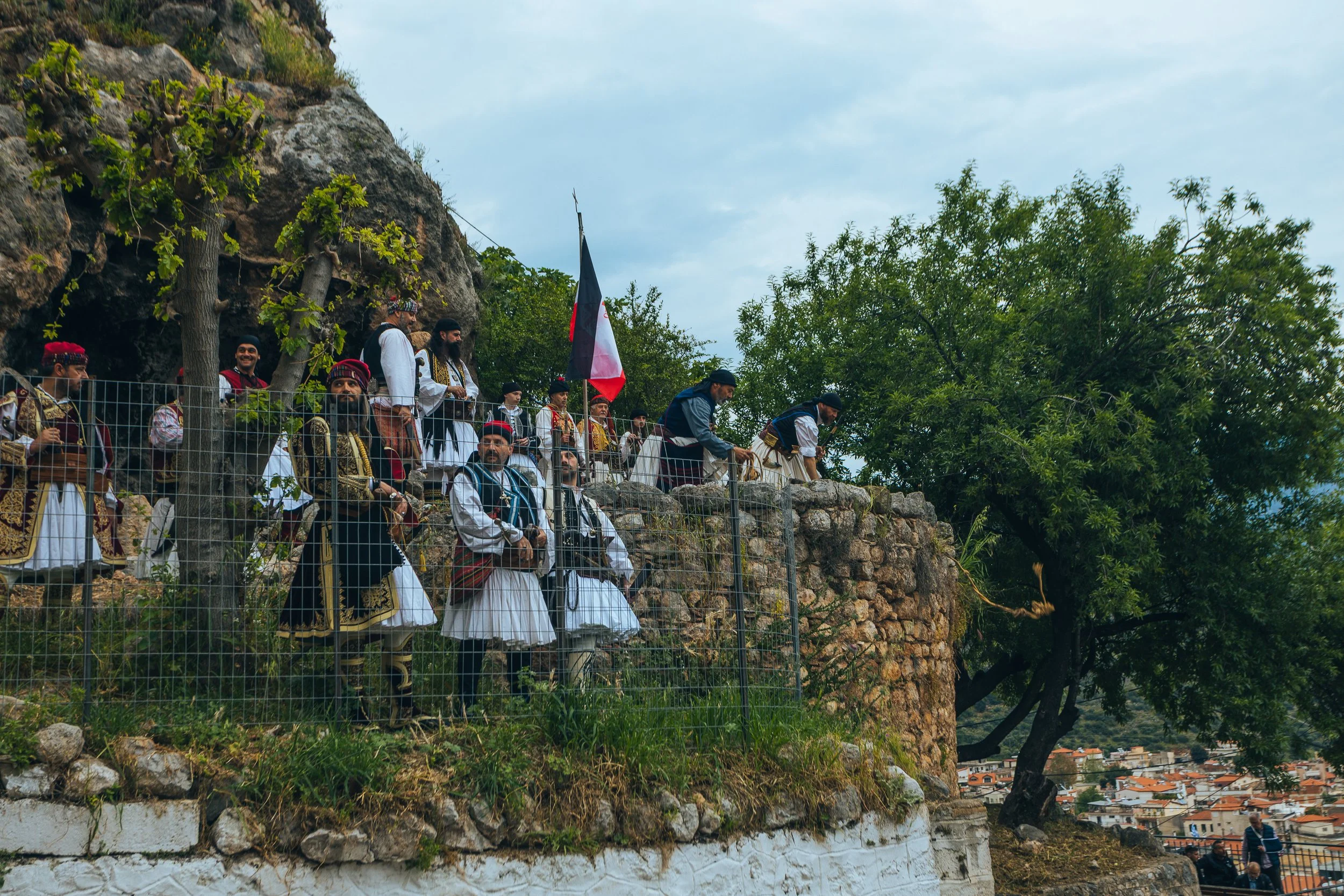
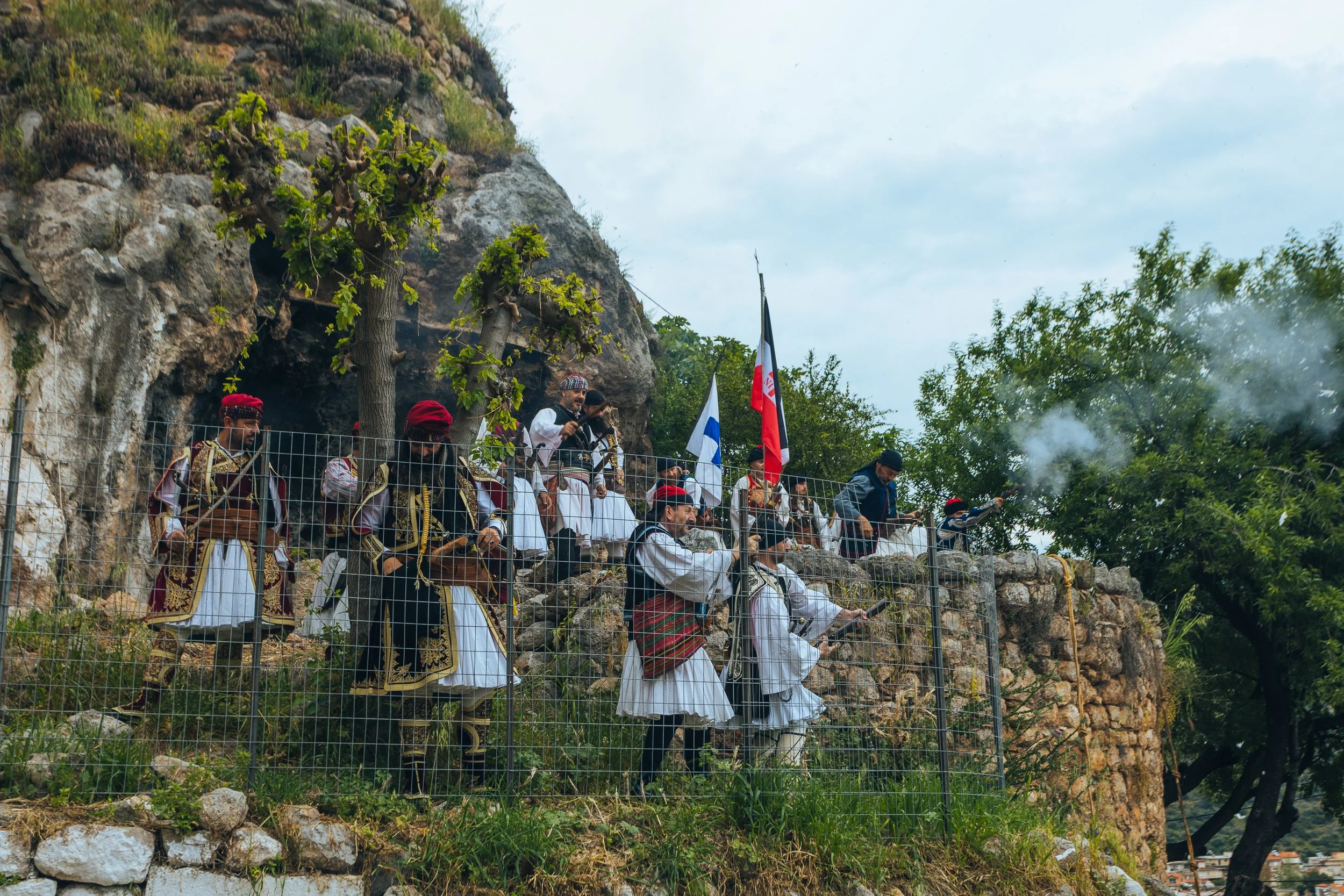
“There’s no wedding without a sacrifice.”

Louis Dupré - Nikolakis Mitropoulos raises the flag with the cross at
Salona on Easter day, 1821
A nice trip
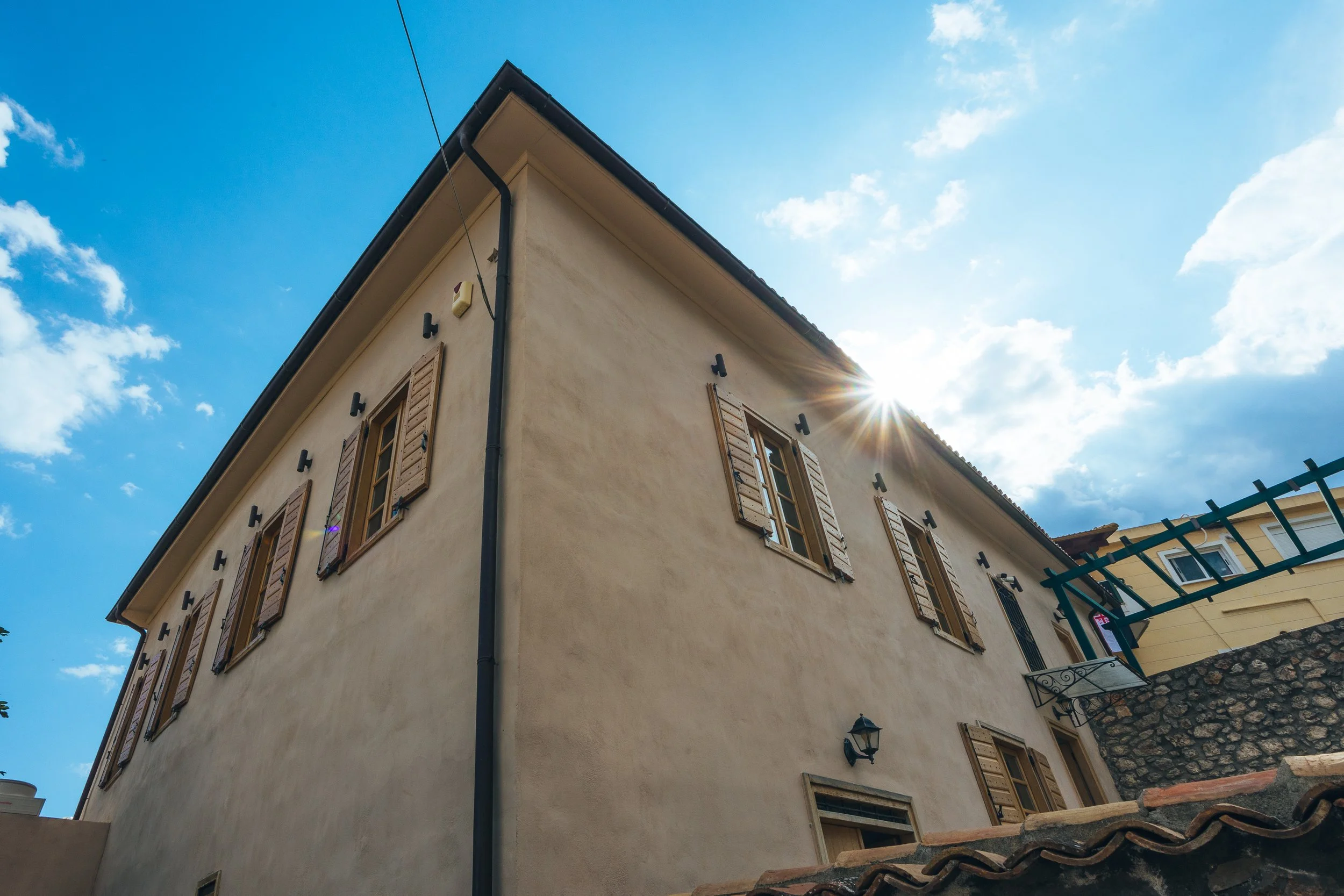
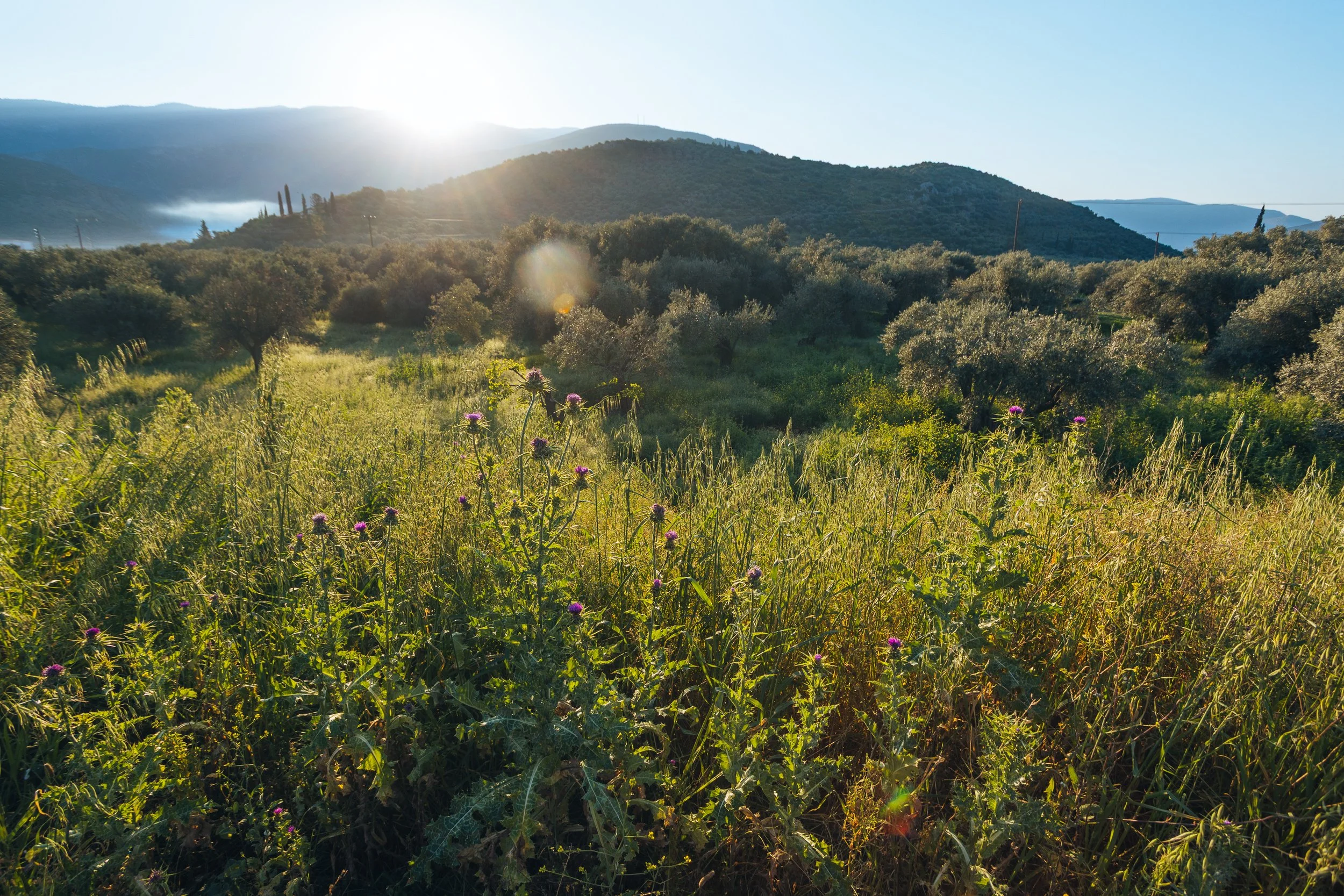
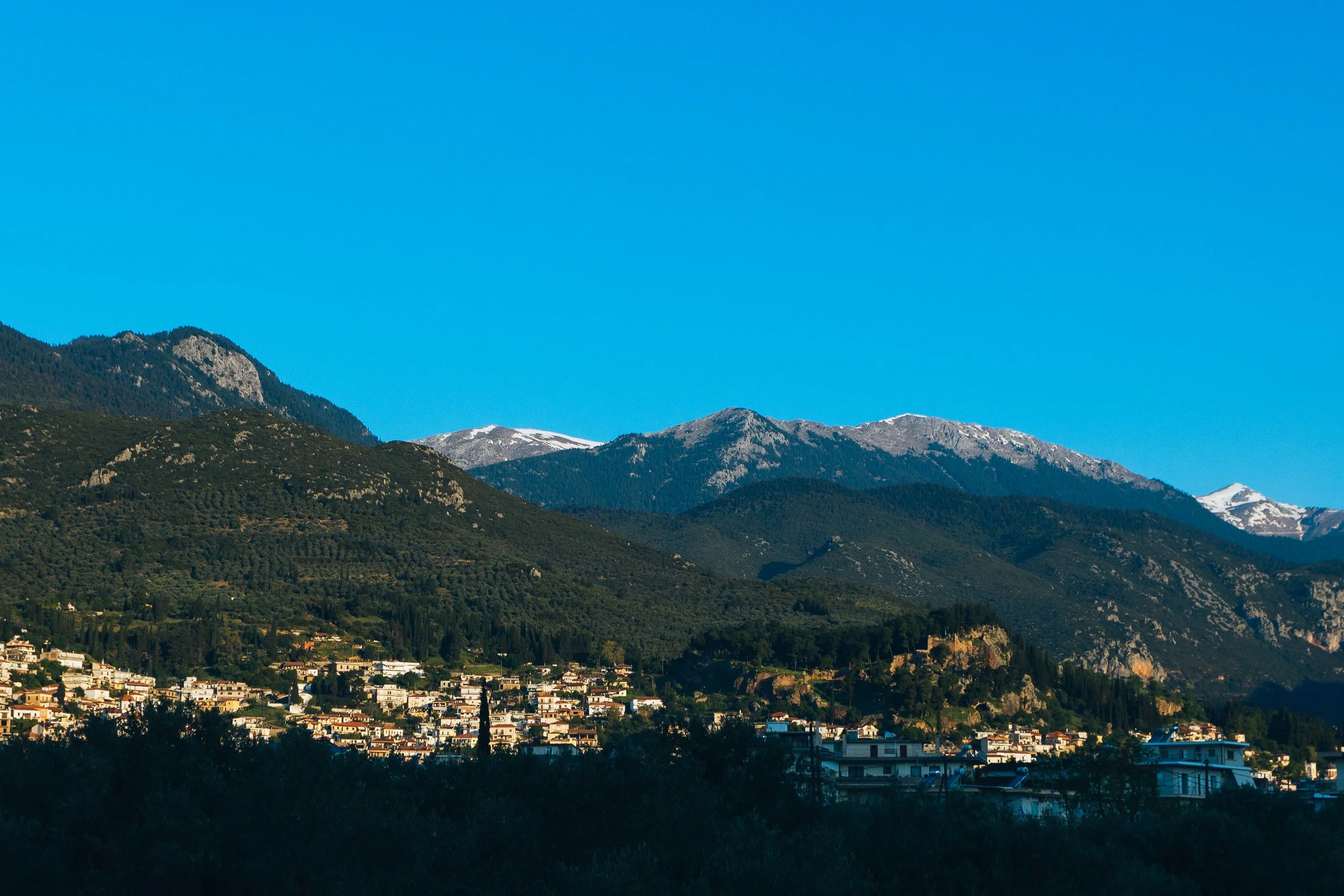
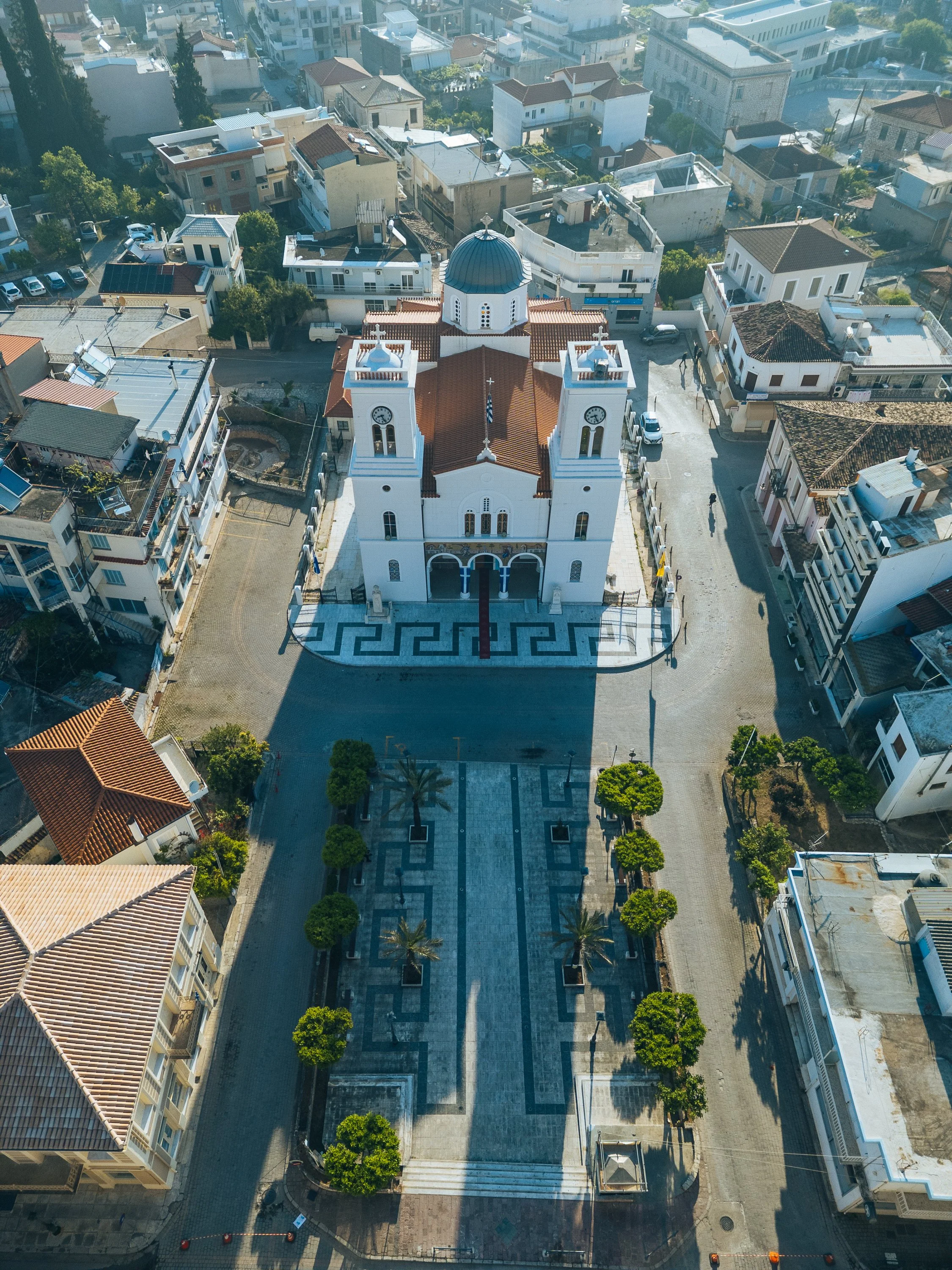
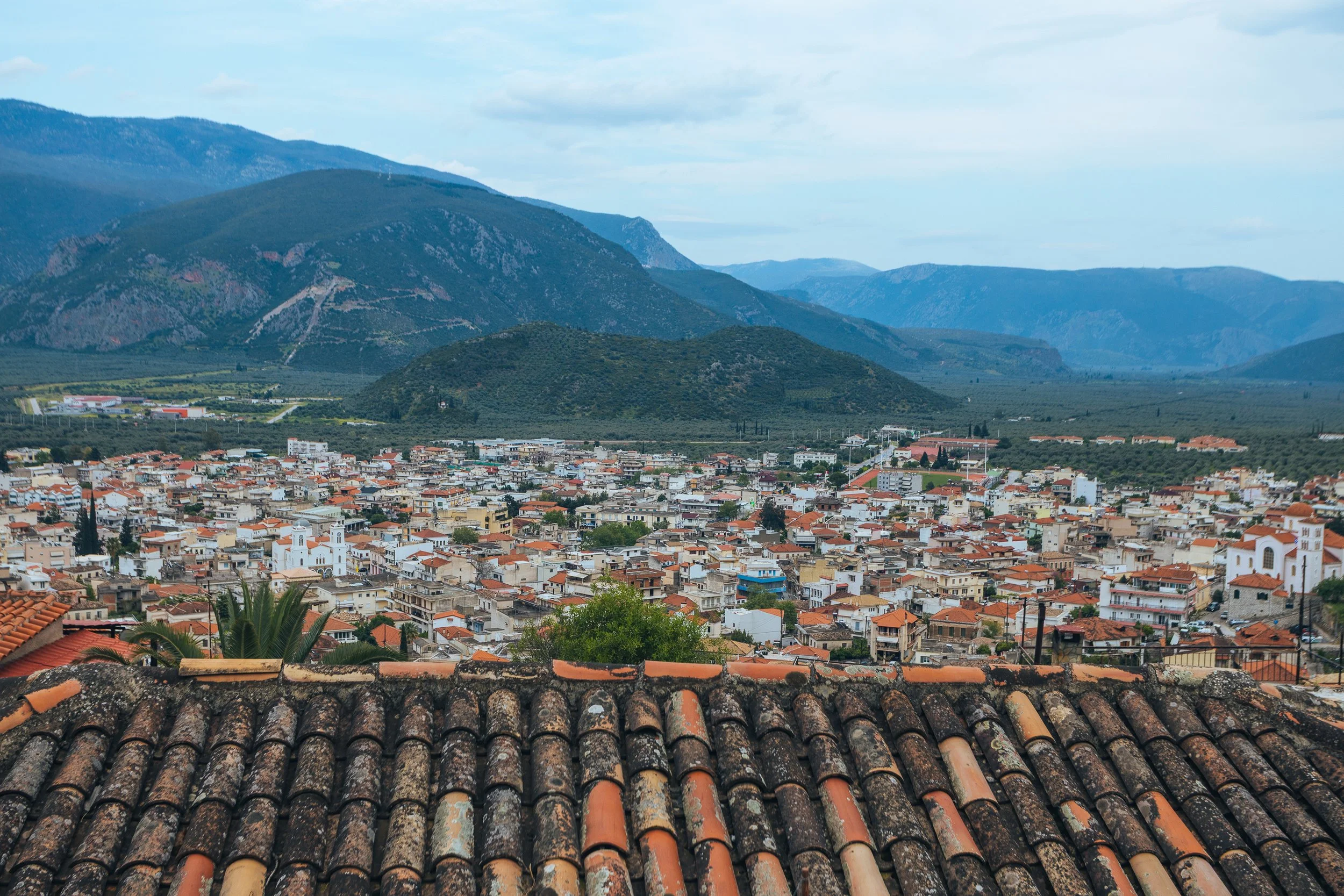
Amfissa is a short trip from Athens (about 3 hours by car) and is a nice, out of the ordinary destination. Nearby there are a lot of beautiful places to see, such as Galaxidi, Itea, many small traditional villages and my birthplace, famous Delphi of course.
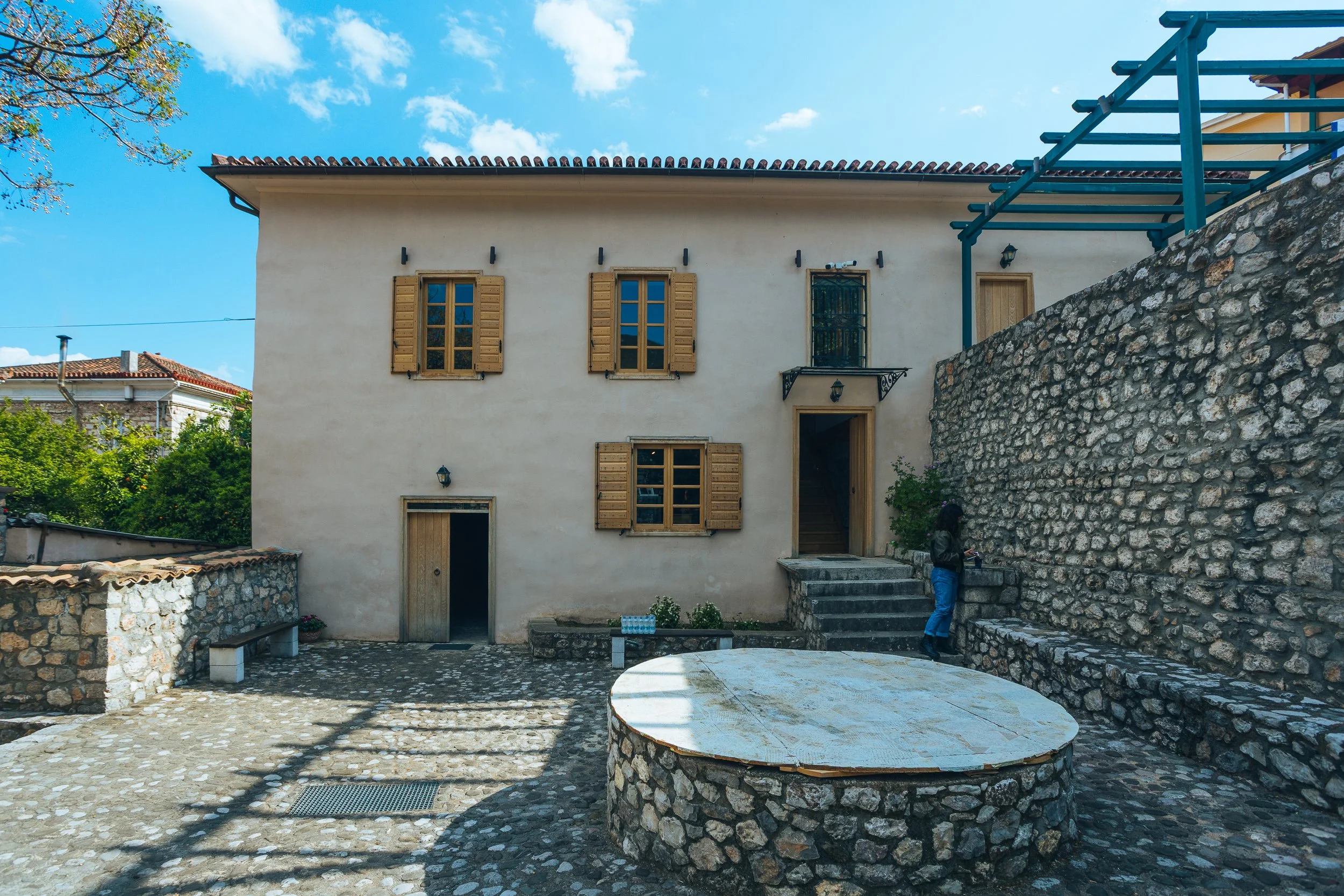
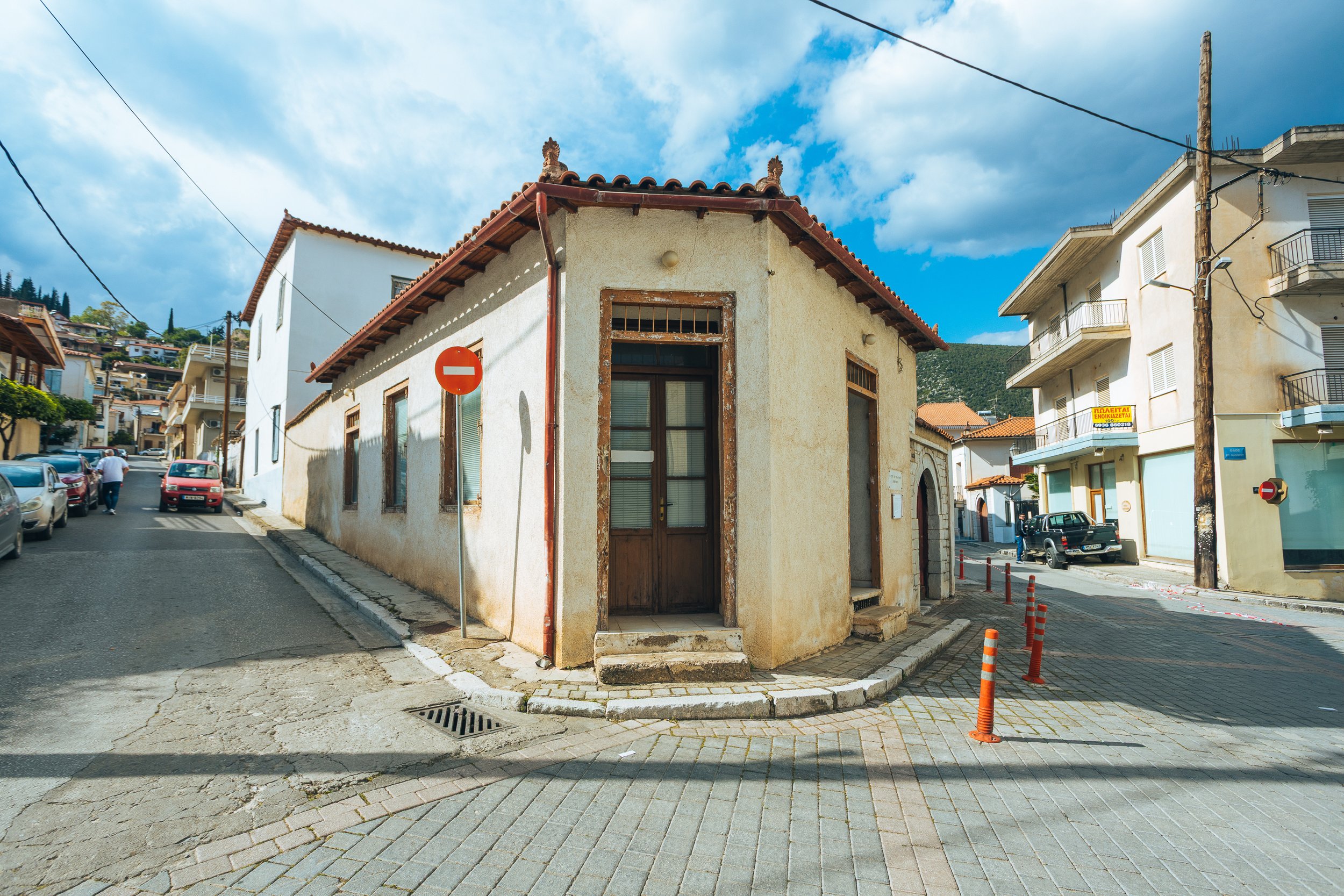
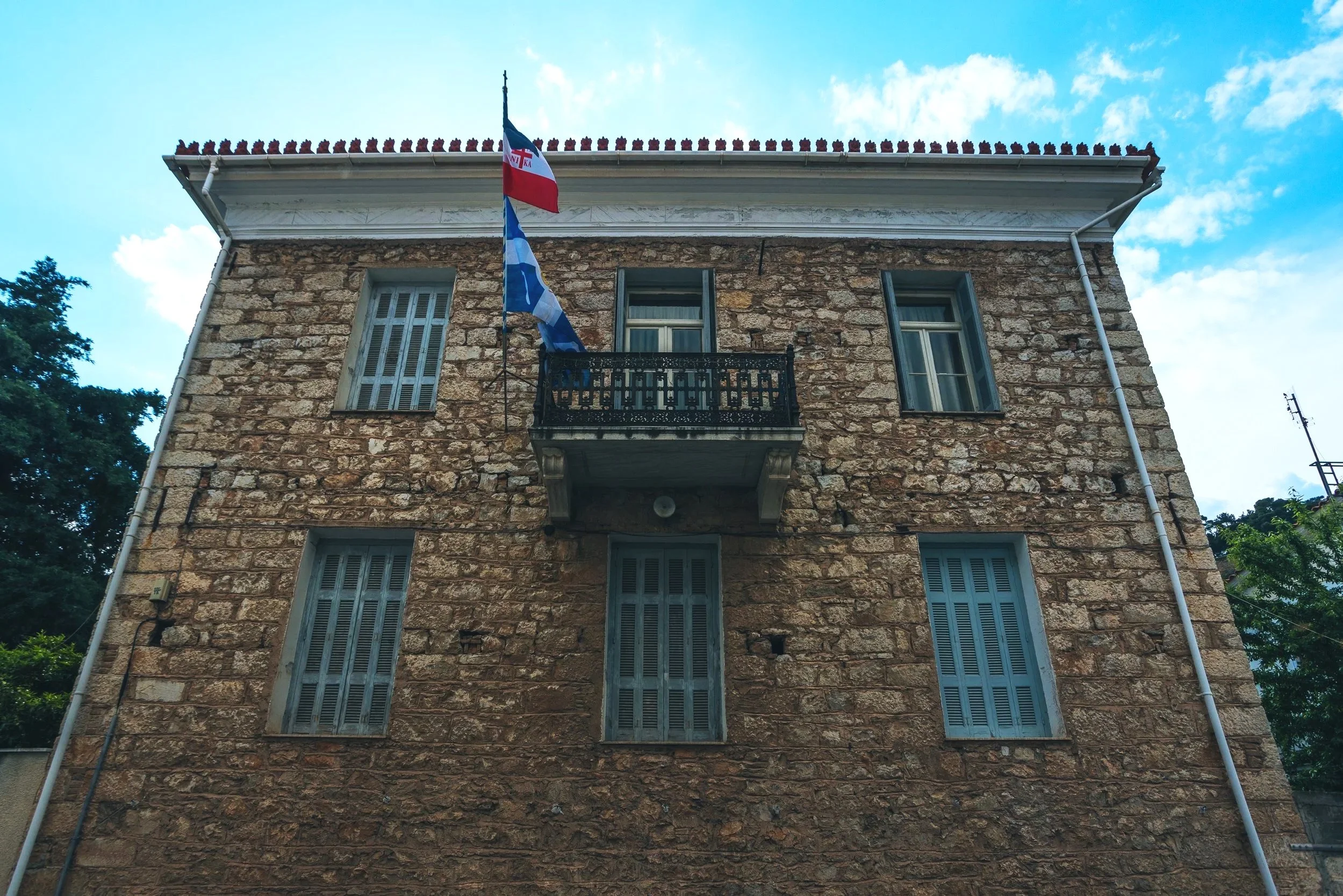
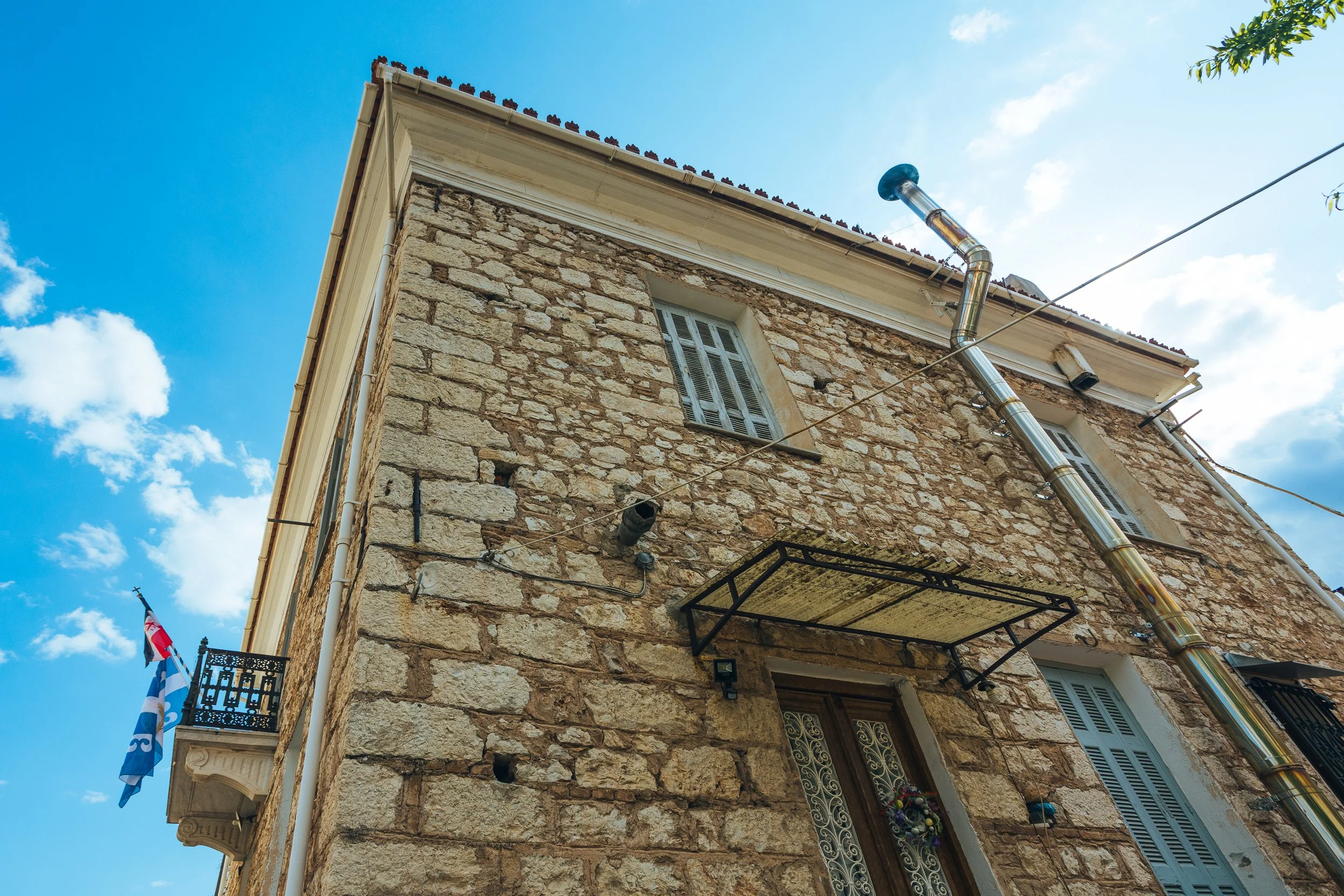
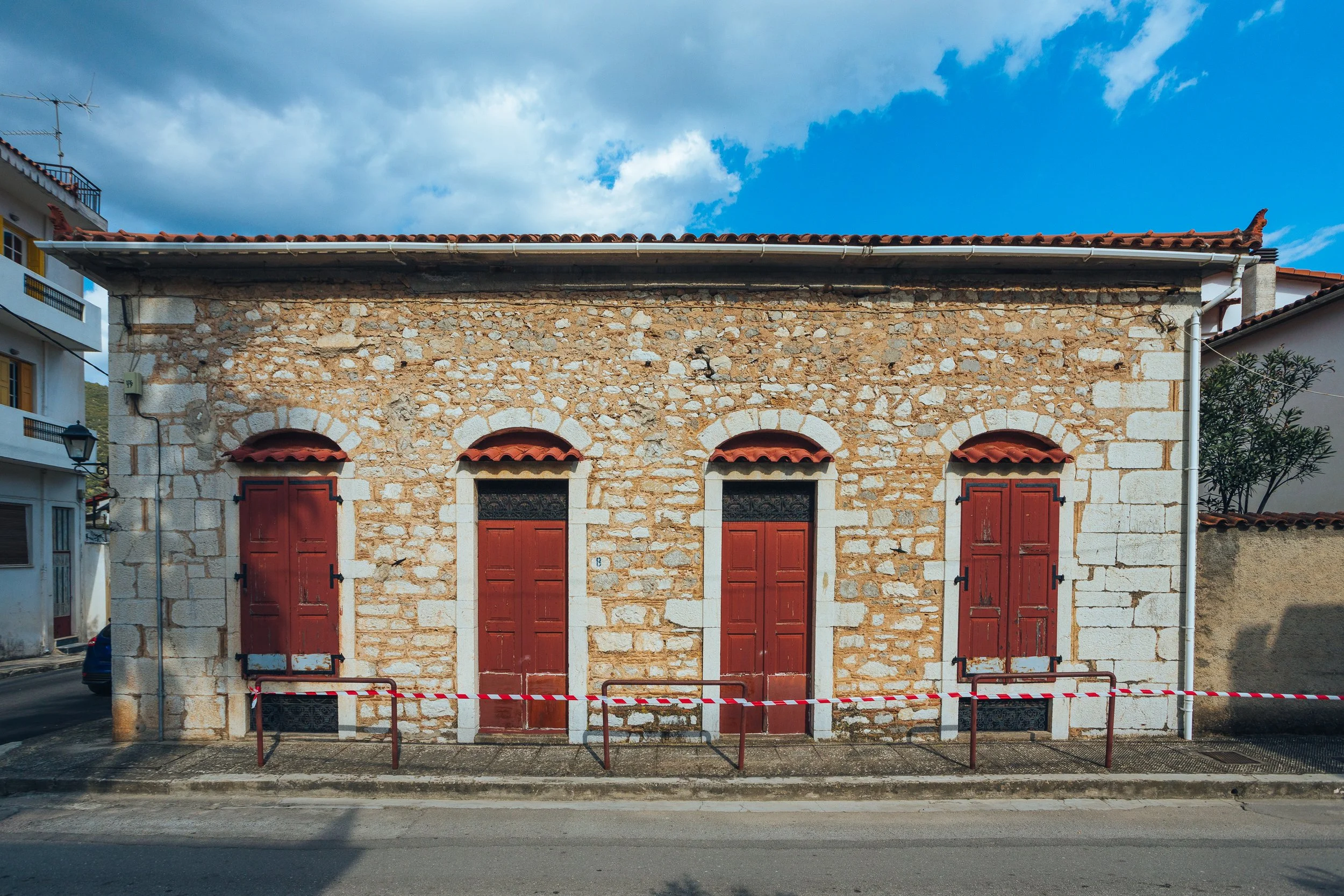
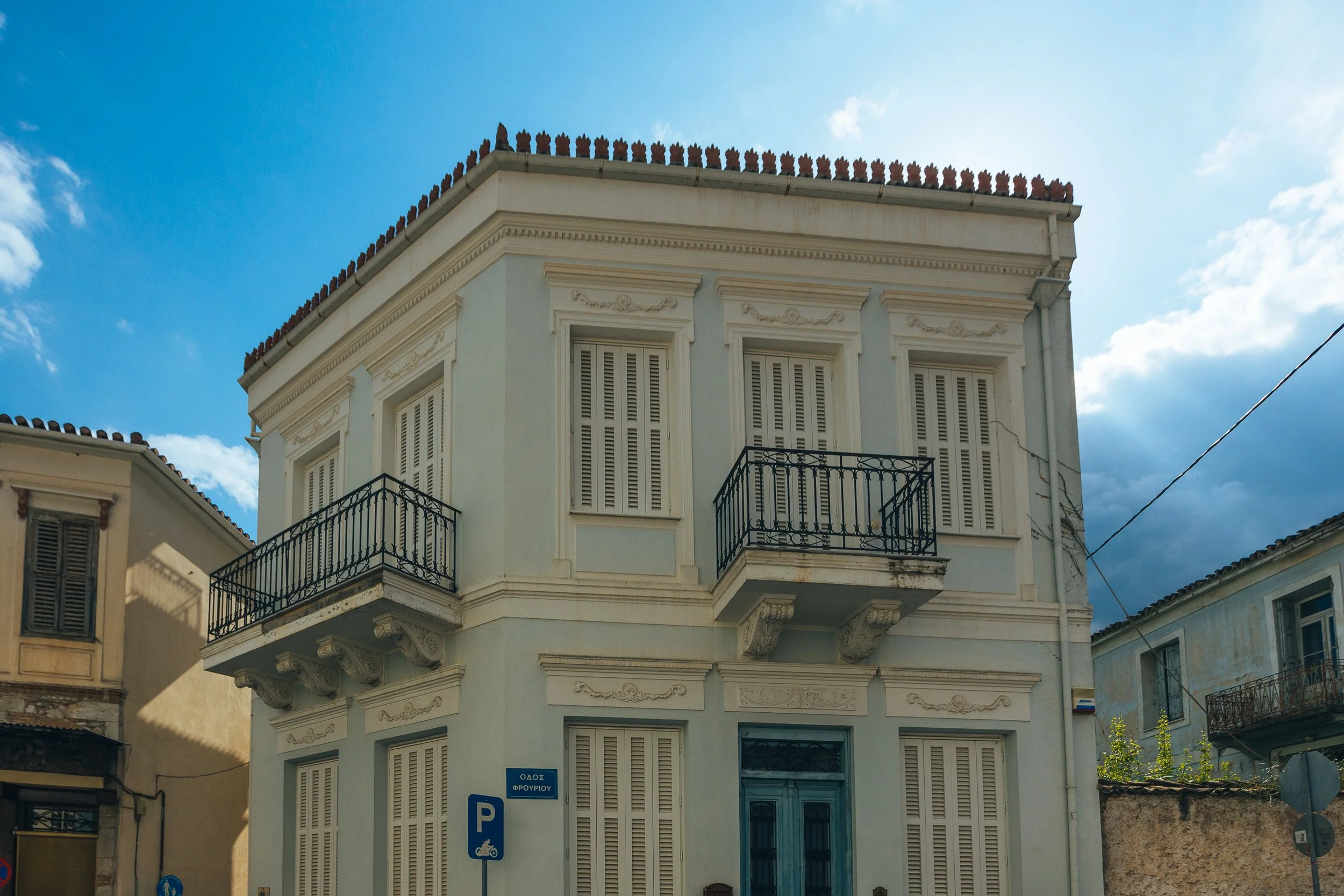
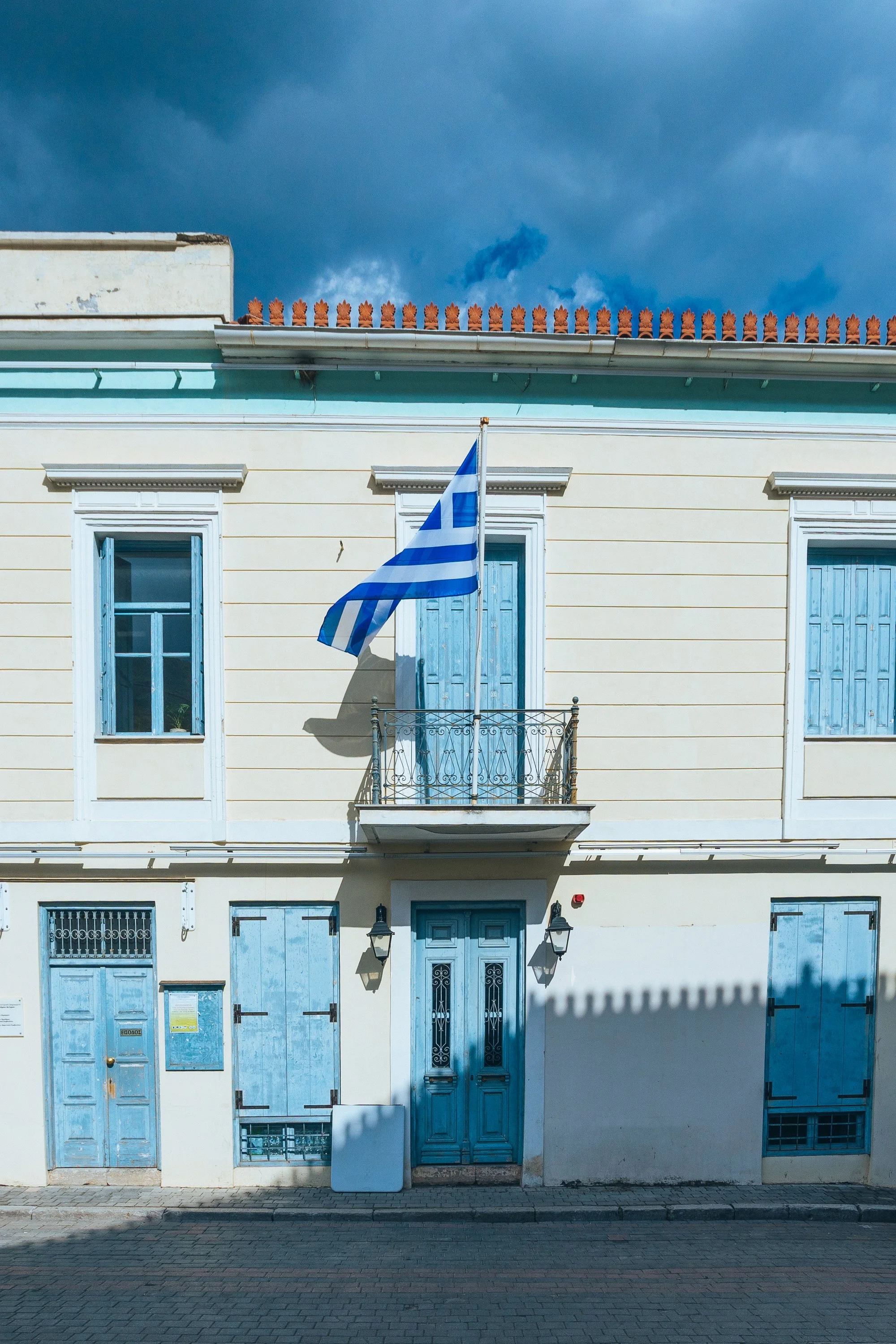
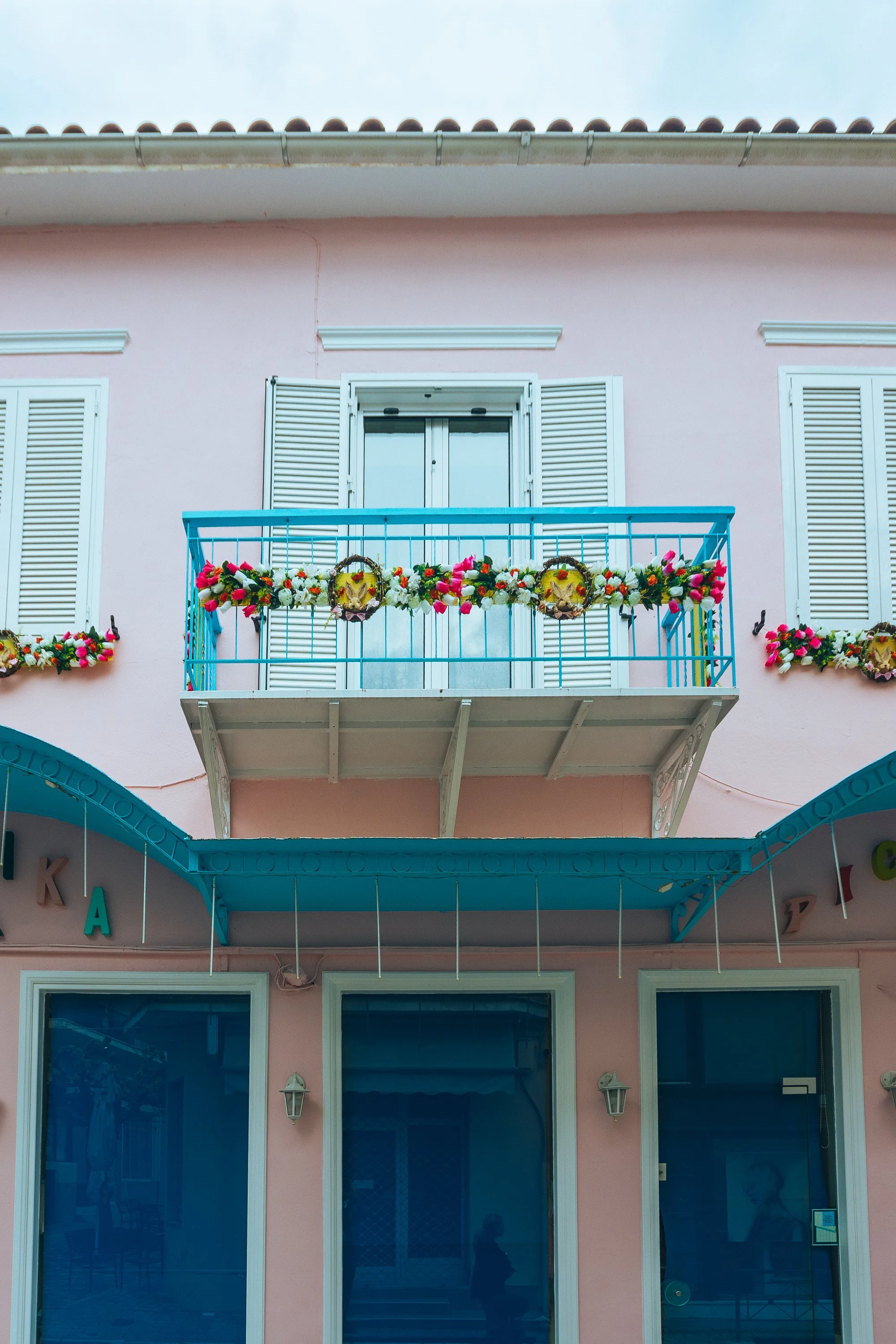
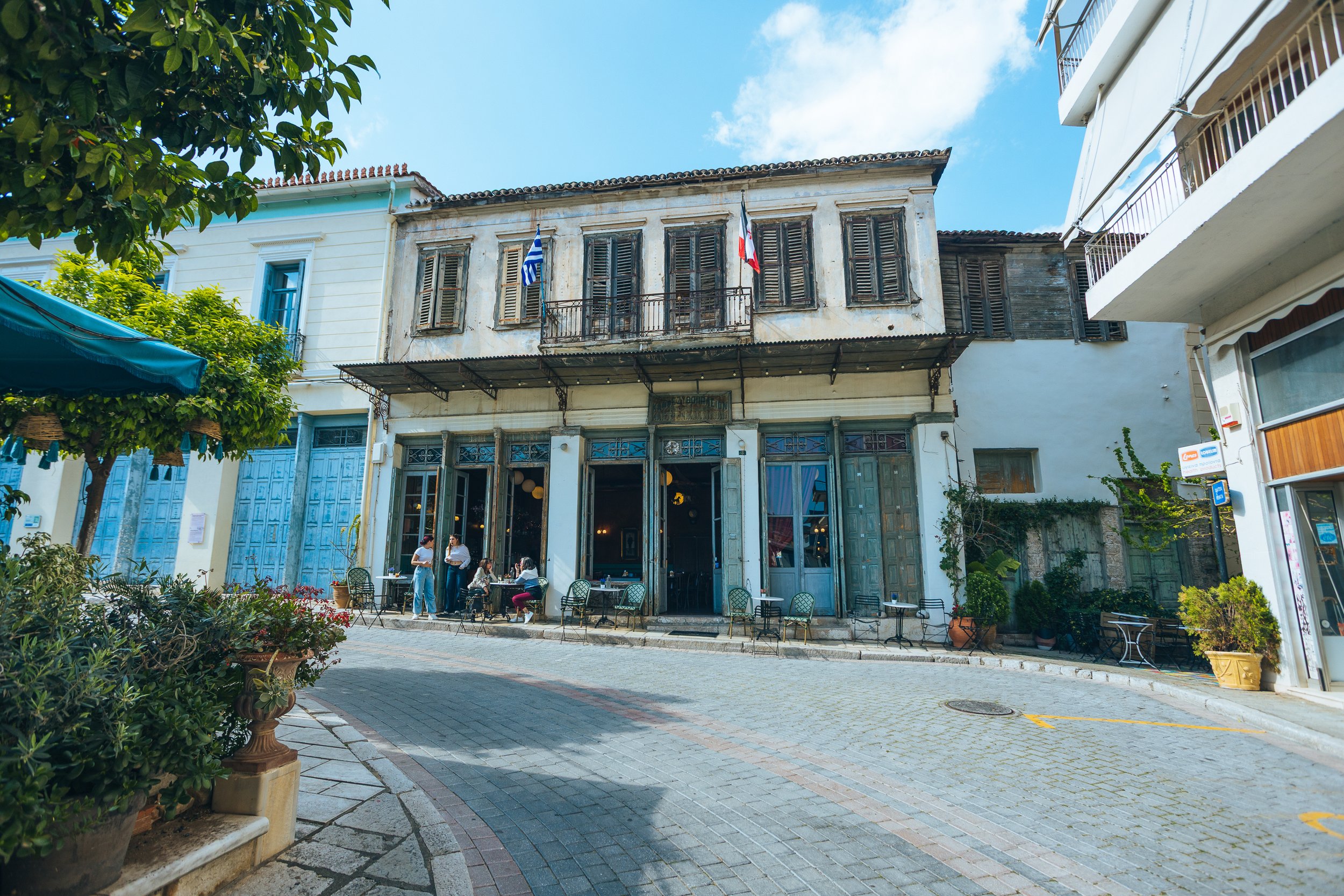
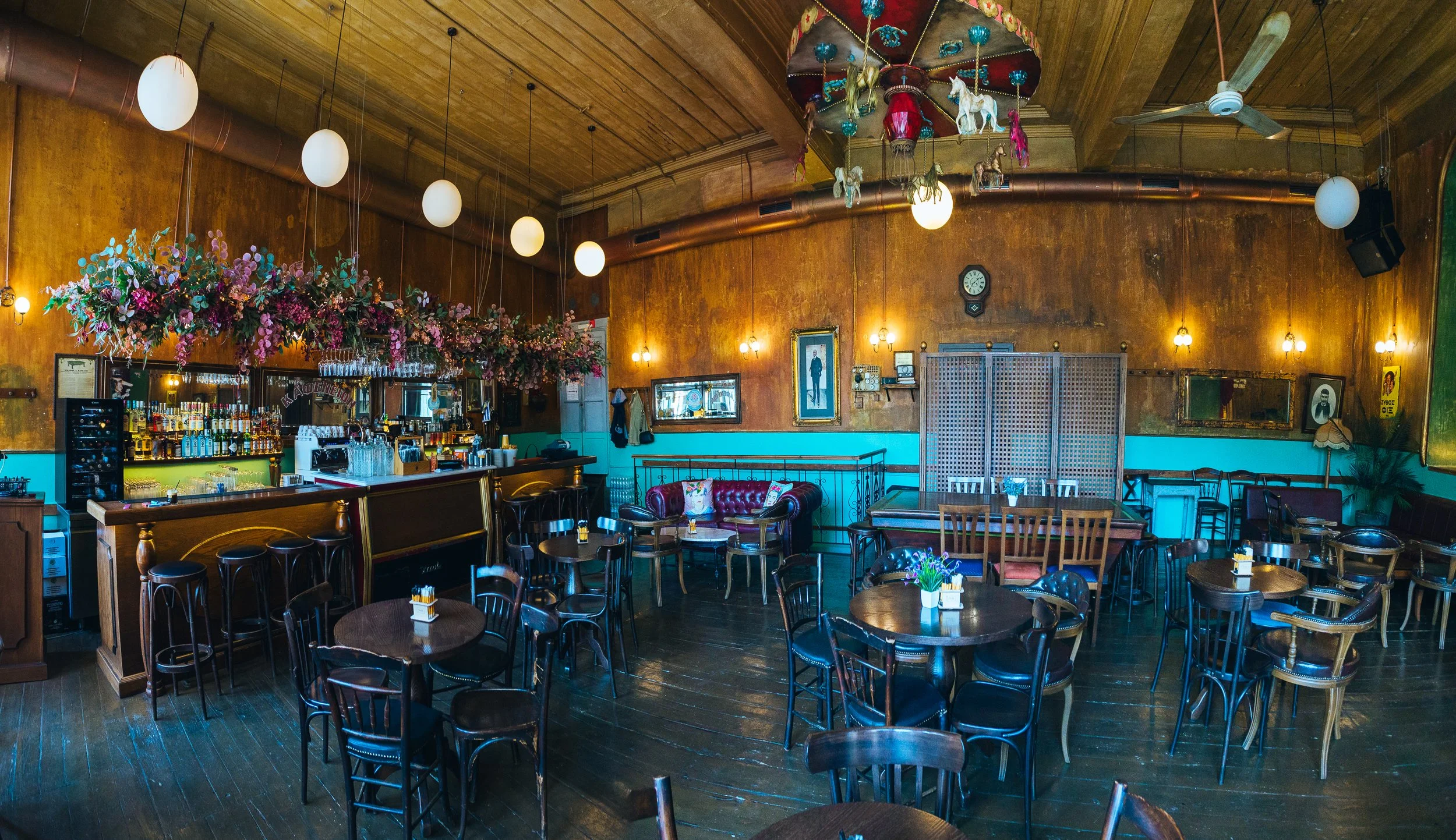
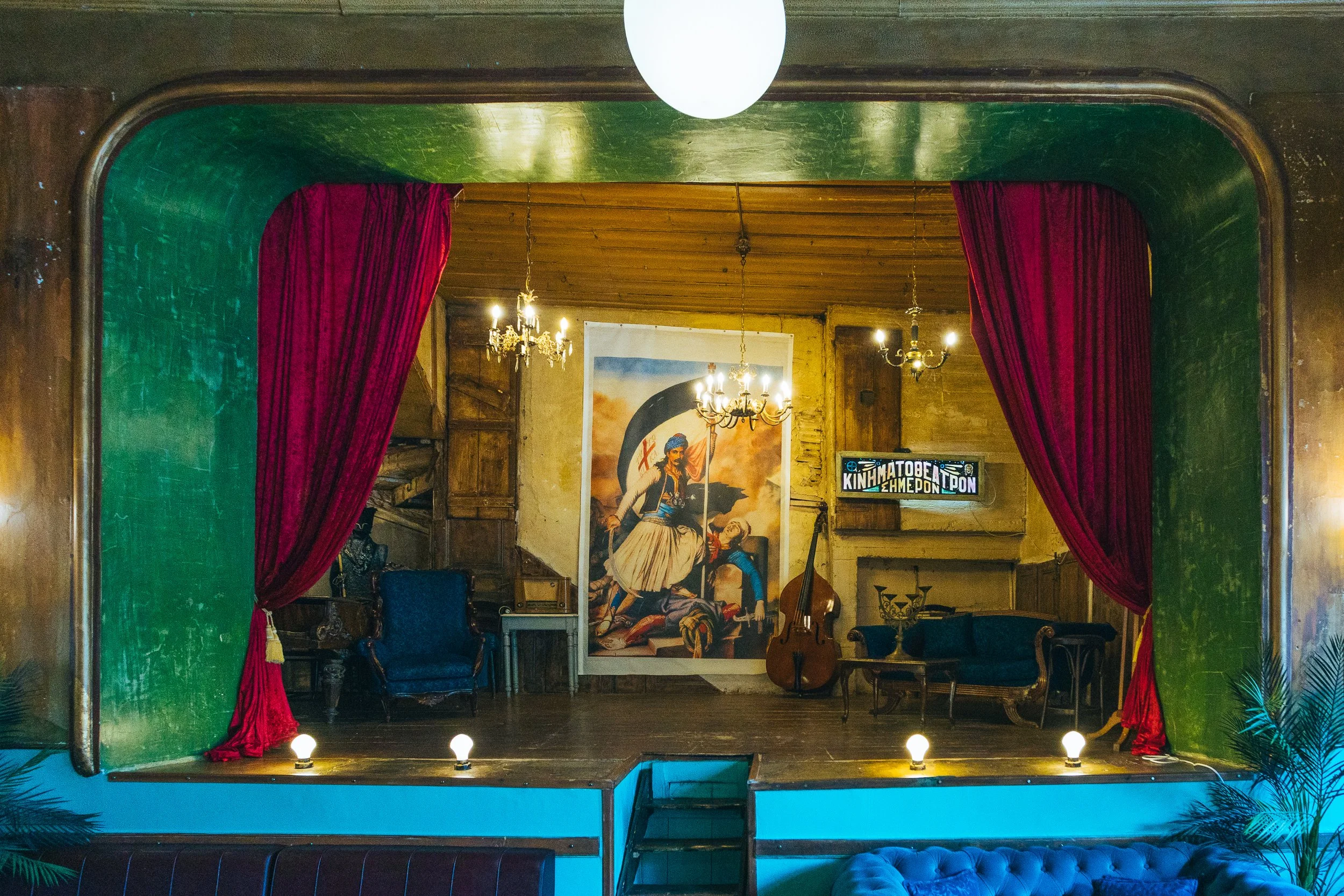
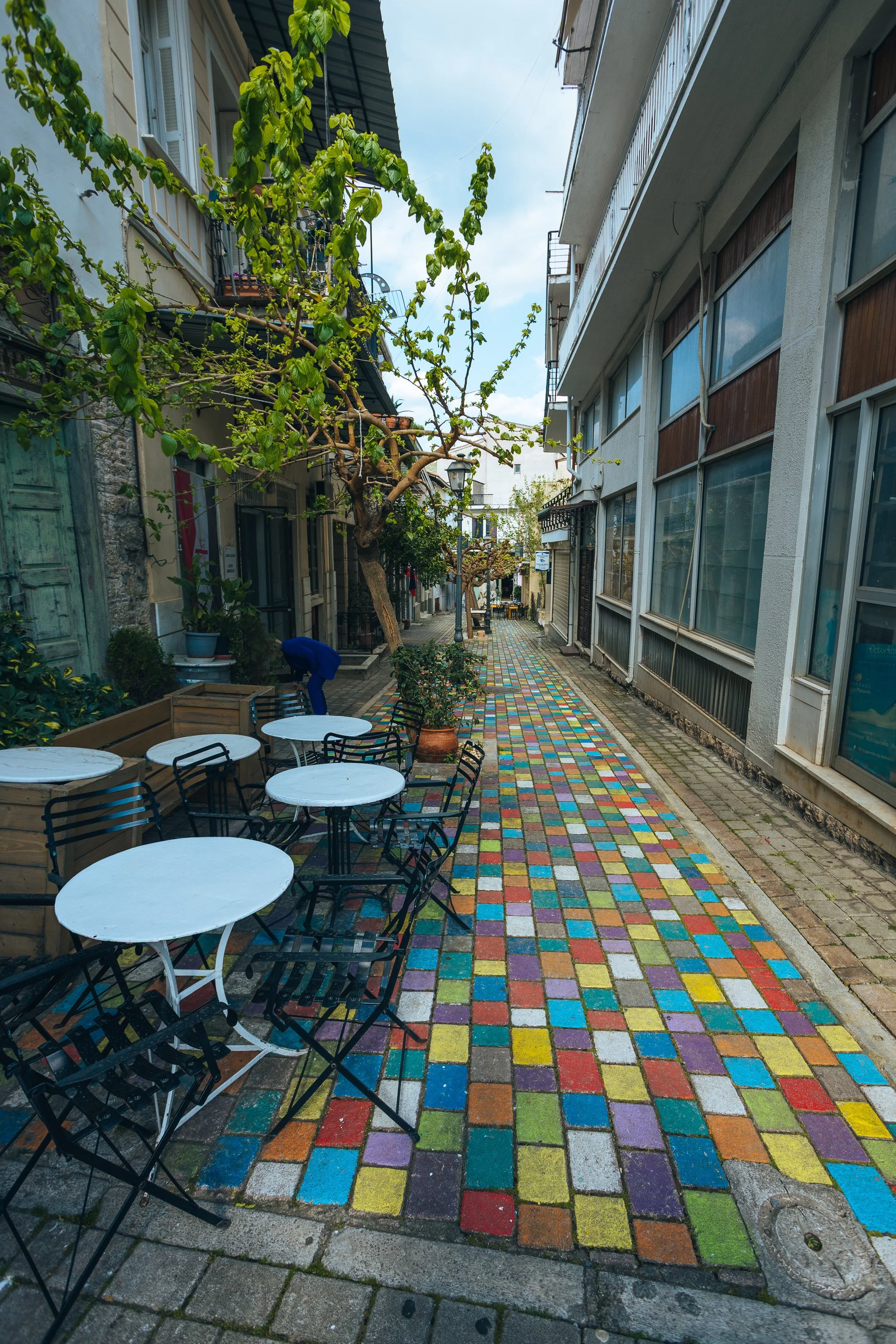
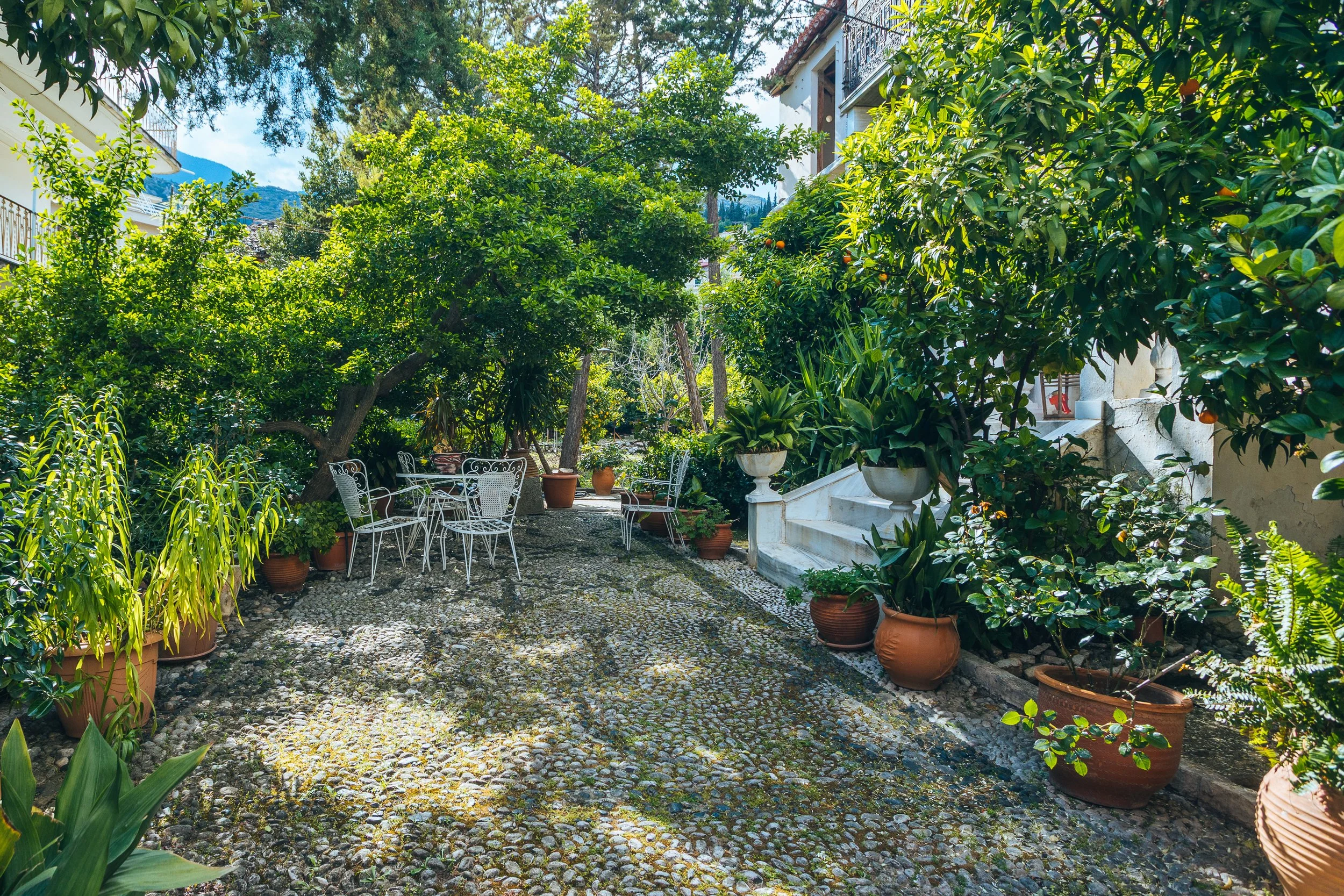
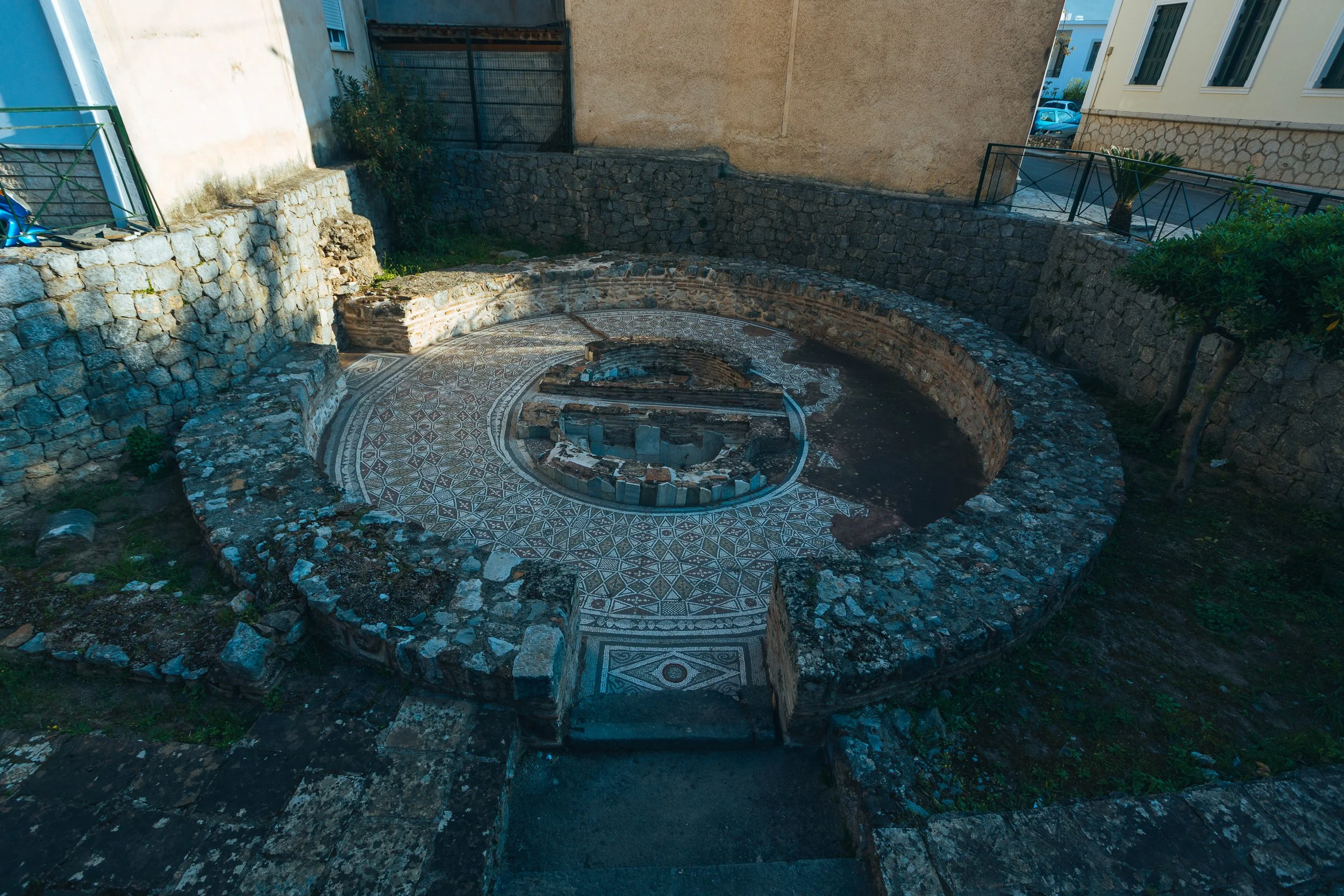
But even if you won’t come here for the “Fall of the Castle” festivities, Amfissa has plenty to offer. Here you’ll find one of the oldest and best-preserved “kafeneion“ (traditional coffeehouse) in the country, stunning old stone houses of local heroes, traditional leather tanneries, a revolution museum, and an authentic atmosphere of the Greek countryside. An ideal escape for a traveller, rather than a tourist.
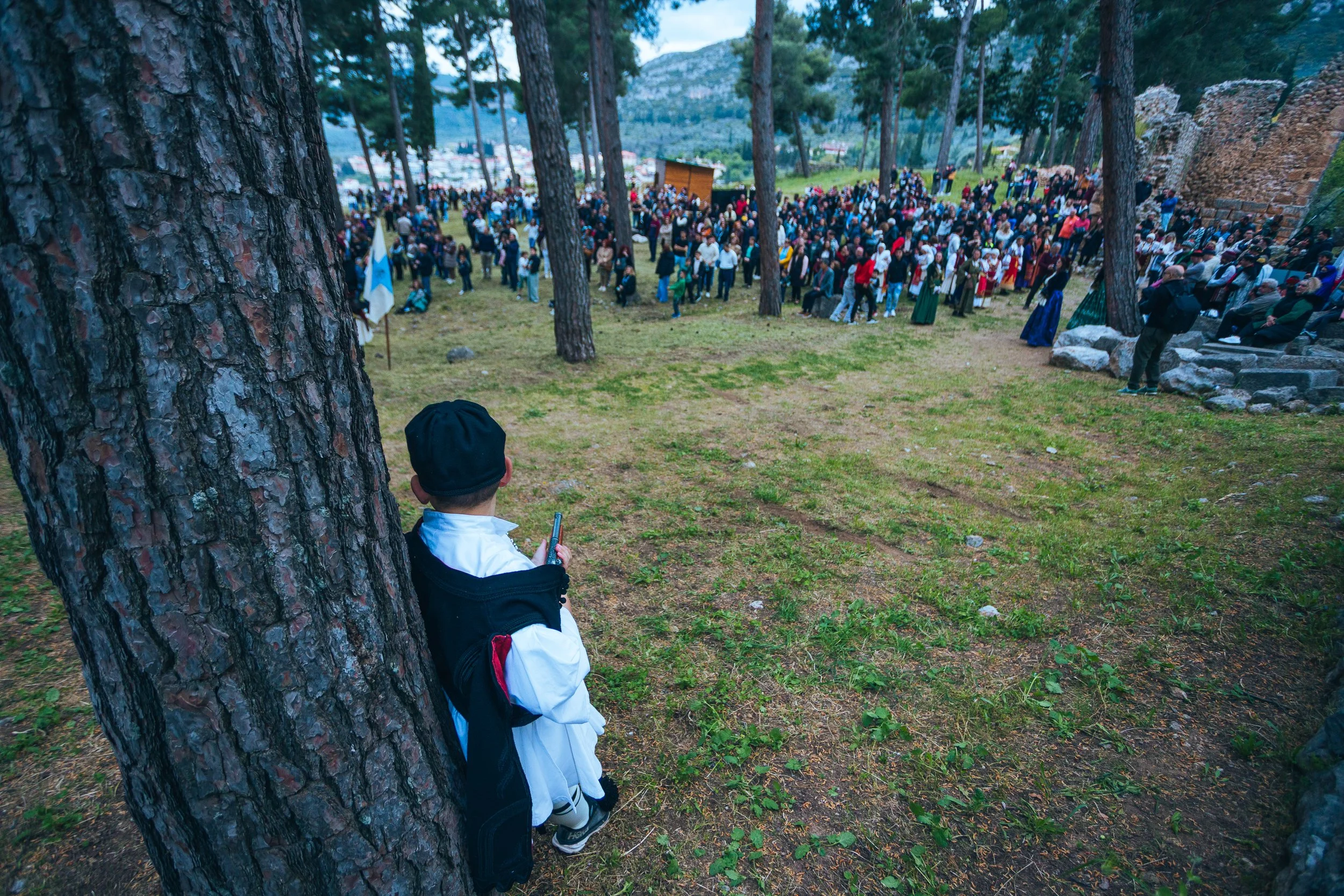
*Salona is the old name of Amfissa
**Notes from wikipedia
RELATED CONTENT



There are various AI-generated images depicting imaginary archaeological sites by the sea…